Coffee & health
The best times to drink coffee for your heart and stomach
When should you drink coffee to stay alert while going easy on your heart and stomach? What the science says, with a suggested schedule for the day.
QiFi··Updated ·4 min read
Contents
Coffee affects the body not only through how much you drink but also through when you drink it. For the heart and the stomach, the two things people worry about most, choosing the right time can let you enjoy your cup with less discomfort.
This article is for general information and does not replace medical advice. If you have a health condition, are pregnant or take medication, ask your doctor.
Coffee and the heart: what is known
- Short term: caffeine can raise blood pressure and heart rate temporarily, more noticeably in people who rarely drink coffee.
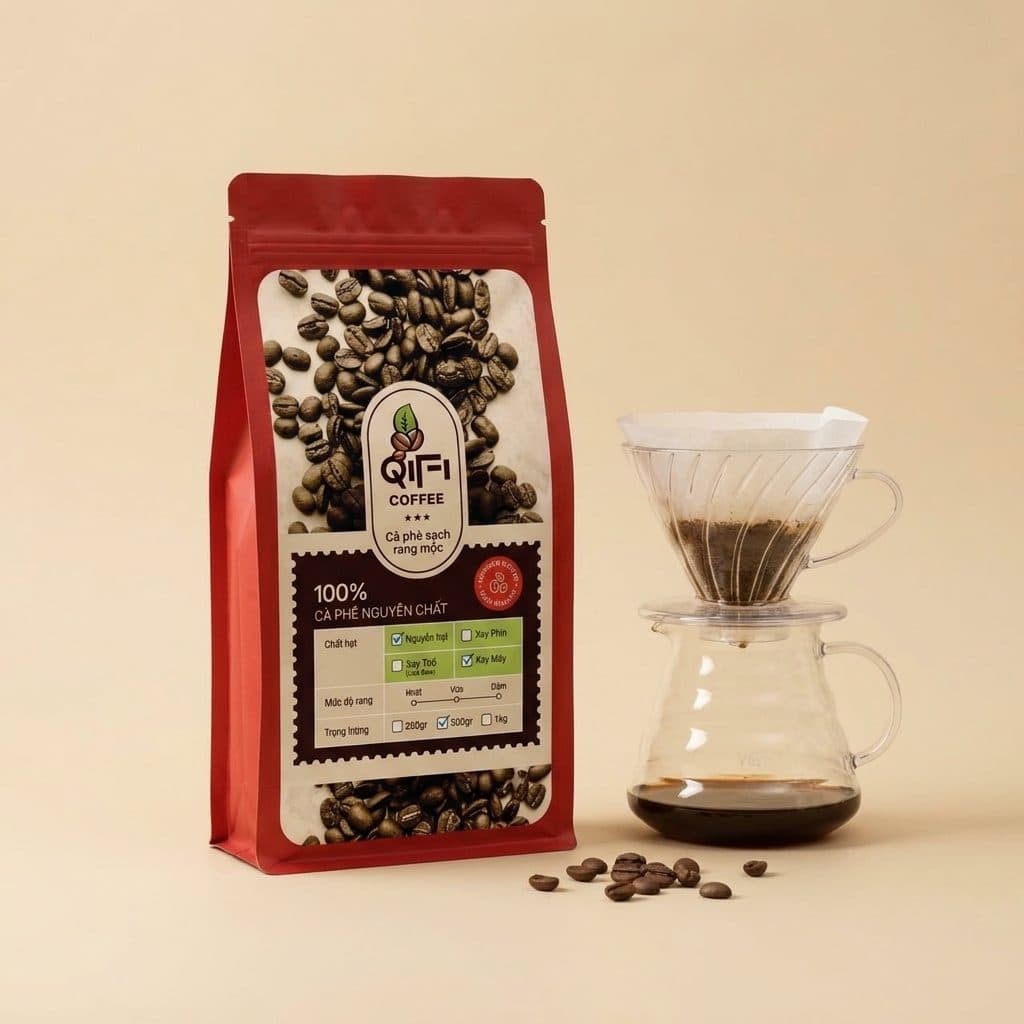
- Long term: an umbrella review of more than 200 meta-analyses in the BMJ (2017) found that moderate coffee drinking does not raise, and is even linked with a lower, risk of heart disease, with the largest benefit at about 3–4 cups of filter coffee a day. Most of that evidence is observational, so it shows a link rather than a cause. A strong phin holds more caffeine than a cup of filter coffee, so do not count them the same.
- Safe amount: up to about 400 mg of caffeine a day for healthy adults, according to the European Food Safety Authority (EFSA) and the US FDA.
What matters is to avoid taking a lot of caffeine at once and to avoid disturbing your sleep, since long-term poor sleep is itself bad for the heart.
Coffee and the stomach: what is known
Coffee stimulates the stomach to produce acid, and heartburn is the symptom people report most often after drinking it. Still, a 2014 meta-analysis of 15 studies found no clear link between coffee and reflux disease. In other words, coffee rarely causes the disease, but it can make symptoms worse in people who are already sensitive. For them, drinking it on an empty stomach easily causes a gnawing feeling or heartburn. A few things can help:
- Drink it after eating.
- Choose pure, naturally roasted coffee, avoiding burnt or adulterated coffee.
- Try cold brew: many people find it easier on the stomach.
A suggested coffee schedule for the day
6:30–8:00: breakfast first, coffee after
If you like a cup first thing, drink it after breakfast rather than on an empty stomach. A stomach with food in it is less irritated by acid.
9:00–11:00: the best window for alertness
This is the ideal time for the day's main cup: you have eaten breakfast, you need to focus, and bedtime is a long way off. A phin of NGUYÊN BẢN or ĐÁNH THỨC is enough for the whole morning.
13:00–14:30: a second, lighter cup
After lunch, if you need more energy, choose a lighter cup: an Arabica such as TỈNH (about half the caffeine of Robusta) or brew it lighter.
After 15:00–17:00: stop
Caffeine has an average half-life of about 5 hours. To keep it from affecting your sleep, stop coffee at least 6 hours before bedtime, as a 2013 sleep study suggests. Sensitive people should stop from around 3 pm.
Habits to avoid
- Coffee instead of breakfast. An empty stomach plus caffeine easily leads to stomach upset and restlessness.
- Several cups in a short time. Blood pressure and heart rate rise more.
- Coffee to "fight" lack of sleep every day. The loop goes: poor sleep, more coffee, worse sleep.
- Drinking it too hot. Very hot drinks can irritate the oesophagus; let it cool a little.
- Too much sugar and condensed milk. Excess sugar is bad for the heart in the long run.
Drink slowly, drink less, drink clean
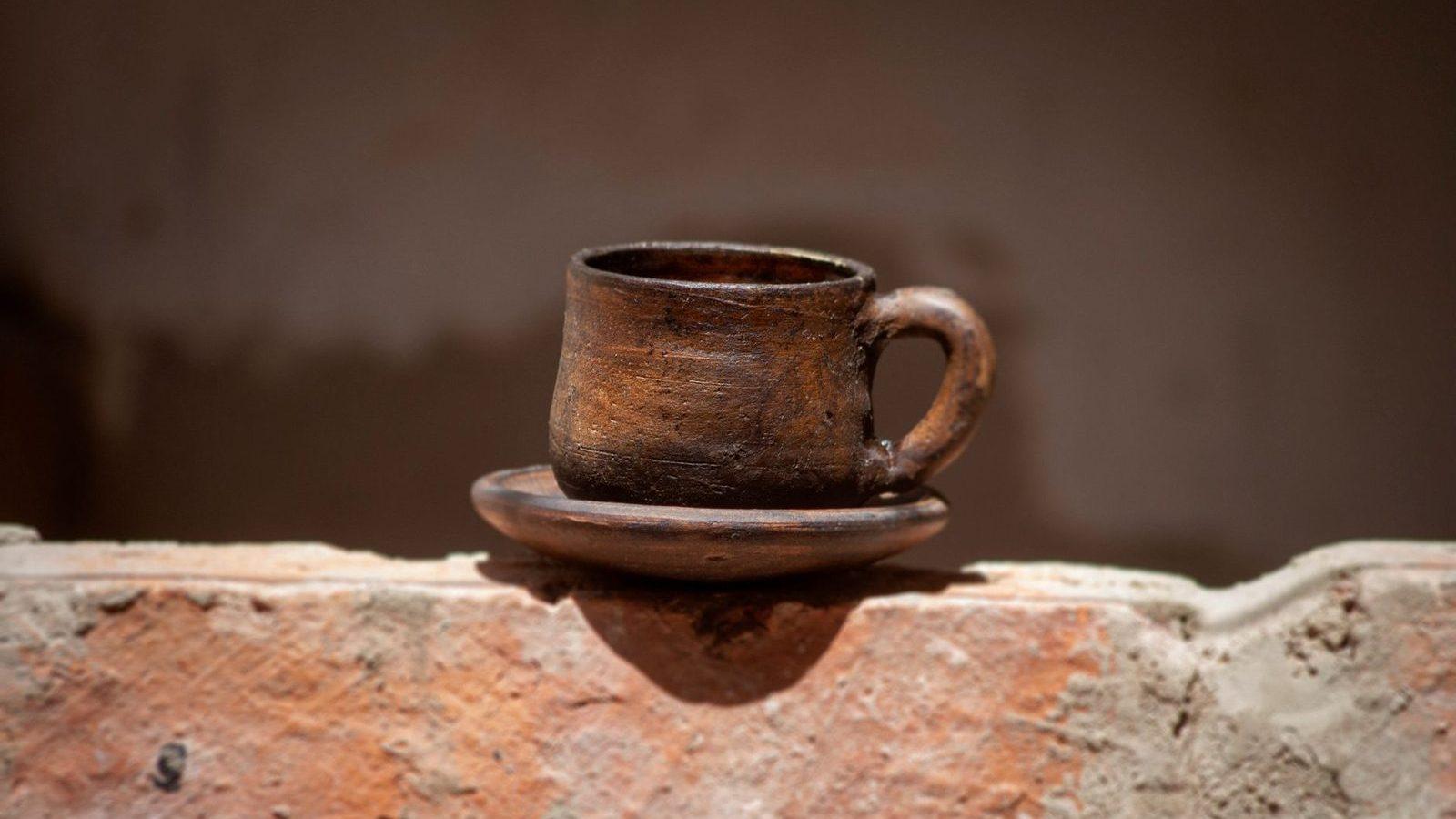
A thick porcelain cup keeps the heat moderate and encourages you to sip rather than gulp. Paired with pure coffee, that is the simplest way to keep coffee a pleasure rather than a burden.
Read more: when is the best time to drink coffee and 5 signs you are drinking coffee the wrong way.
Frequently asked questions
Can people with acid reflux drink coffee?
It depends on the person and how severe it is. Many people with reflux can still drink a small amount after a meal, but some have to avoid it entirely. Ask your doctor.
Is decaf better for the heart?
Decaffeinated coffee removes most of the temporary effect on blood pressure and heart rate, so it is an option for people who need to limit caffeine.