Coffee & health
When is the best time to drink coffee? For focus and for burning fat
When should you drink coffee to stay alert, focus for longer and get more out of exercise? What the science says about the best times, and the ones to avoid.
QiFi··Updated ·4 min read
Contents
The same cup of coffee works very differently at 7 am, 10 am or 4 pm. The right timing keeps you alert for longer, helps you focus at work and lets you sleep better at night. This article sums up what science currently knows about when to drink coffee.
This article is for general information and does not replace medical advice. If you have a health condition, are pregnant or take medication, ask your doctor.
How does caffeine work in the body?
- Fast absorption: caffeine peaks in the blood about 30–60 minutes after you drink it.
- Slow elimination: according to the US Institute of Medicine, its average half-life is about 5 hours, but it ranges from 1.5 to 9.5 hours between people (smokers clear it faster; pregnant women and people on some medicines, slower).
- Mechanism: caffeine blocks the receptors for adenosine, a substance that builds up through the day and makes you feel sleepy.
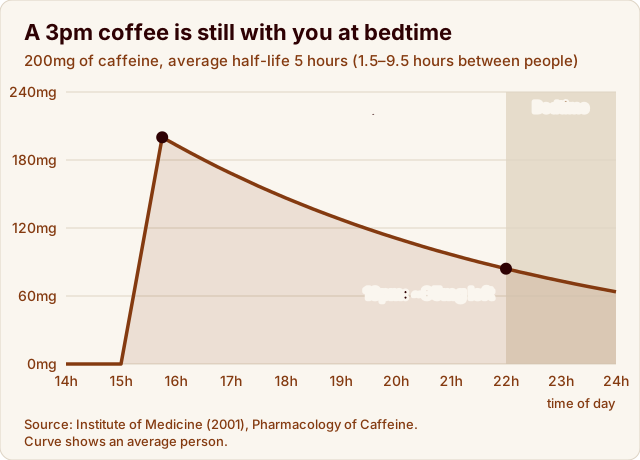
With these three in mind, you can see why timing matters. With a 5-hour half-life, a cup at 3pm still leaves nearly half its caffeine in you at 10pm.
Morning: should you drink it as soon as you wake up?
A popular tip is to "wait 60–90 minutes after waking before your coffee", because the hormone cortisol is naturally high in the morning. In reality, the evidence for this tip is limited. What matters more:
- If your stomach is sensitive, drinking after breakfast is more comfortable than on an empty stomach.
- If you tend to "crash" mid-morning, moving your cup a little later (around 9–10 am) may keep you alert until lunch.
Try it and watch how your body responds: that is the most reliable guide.
Mid-morning and early afternoon: the time for focus
For most office workers, around 9–11 am and 1–2 pm are when focus is needed and tiredness sets in. A cup in these windows helps you:
- Stay more alert and react faster.
- Feel less tired after lunch.
- Stay far enough from bedtime for most of the caffeine to clear.
Before exercise: performance and fat burning
Caffeine is one of the most studied aids to physical performance. According to the 2021 position stand of the International Society of Sports Nutrition, caffeine improves endurance most consistently at about 3–6 mg per kg of body weight, usually taken about 60 minutes before exercise. For a 60 kg person that is 180–360 mg, one to two strong phin cups. It can help you train for longer, feel less tired, and slightly increase how much fat your body uses for energy.
To be clear: coffee is not a "weight-loss pill". The boost to metabolism from caffeine is small. The real effect comes from training better, together with a sensible diet. And only a black coffee without sugar supports this goal; a cup heavy with condensed milk does the opposite.
Late afternoon and evening: when should you stop?
This is the most important rule: stop coffee at least 6 hours before bedtime. In a 2013 study, 400 mg of caffeine taken 6 hours before bed still significantly shortened measured sleep, even when the drinkers did not feel they slept badly.
If you go to bed at 11 pm, your last cup should be before about 5 pm. Sensitive people should stop earlier, around 2–3 pm.
Summary
| Time | Suggestion |
|---|---|
| Right after waking | Fine, but eat something first if your stomach is sensitive |
| 9–11 am | Good for morning focus |
| 1–2 pm | Eases tiredness after lunch |
| 30–60 minutes before exercise | Supports performance |
| After about 5 pm | Best avoided if you sleep around 11 pm |
Choosing a coffee for the time of day
- Morning, when you need a strong lift: a Robusta-heavy blend such as ĐÁNH THỨC or NGUYÊN BẢN.
- Early afternoon, when you want something lighter: an Arabica such as TỈNH, which has about half the caffeine of Robusta.
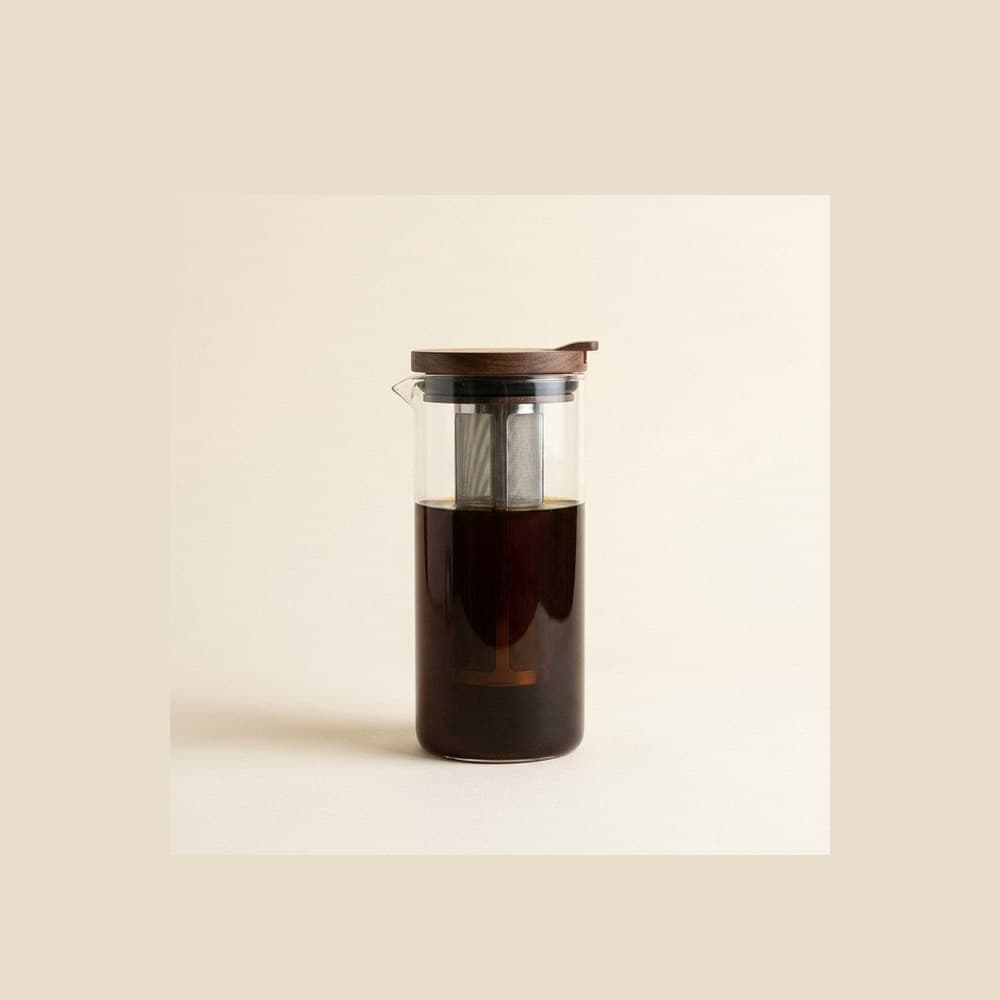
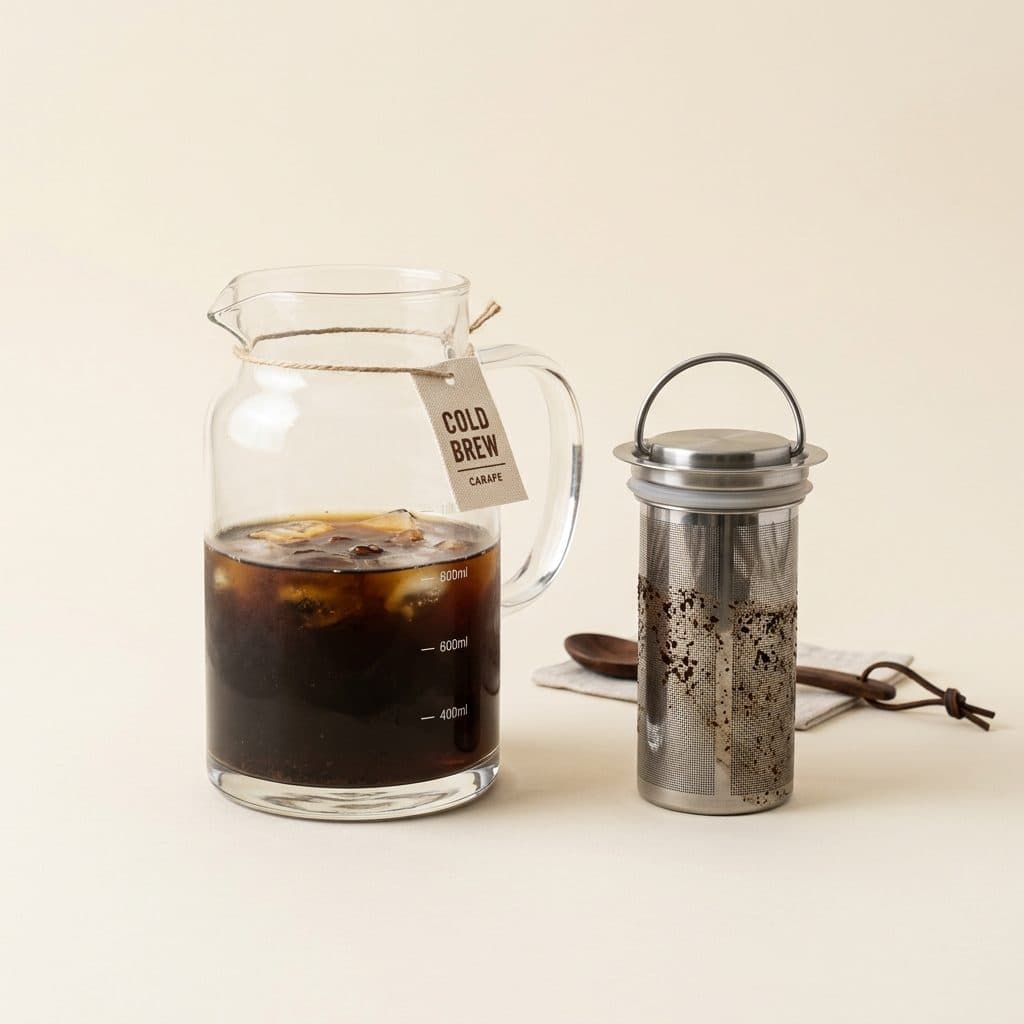
- Hot days: cold brew made in the cold brew bottle, smooth and easy to drink.
For more on the heart and the stomach, read the best times to drink coffee for your heart and stomach.
Frequently asked questions
Does coffee after a meal reduce iron absorption?
Yes. Coffee can reduce the absorption of iron from plant foods in a meal. People with iron-deficiency anaemia should drink coffee about an hour apart from meals.
Should you drink coffee on an empty stomach to burn fat faster?
There is no need. The benefit is small and it can upset your stomach. Drinking it after a light meal is safer.