QiFi Journal
Vietnamese coffee on the world map: from raw exports to the natural roast wave
Vietnam grows more Robusta than any other country, yet most of it leaves as raw beans. A wave of natural roasting and specialty coffee is changing that.
QiFi··4 min read
Contents
Say "world coffee" and most people think of Brazil, Colombia or Ethiopia. Few know that Vietnam is the world's second-largest coffee producer, behind only Brazil, and the largest producer of Robusta. But the story of Vietnamese coffee is not only about volume. It is a journey from a country that exports raw beans to a coffee culture proud of its own flavour.
From the first plantations to a Robusta powerhouse
According to VnExpress, coffee was brought to Vietnam in 1857, was only planted officially from 1888, and the first variety the French brought was Arabica. Robusta came later, in 1908, according to the International Coffee Organization (ICO). But coffee only took off in the Central Highlands after the Đổi Mới reforms. Red basalt soil, moderate altitude and a climate with a clear rainy and dry season are ideal for Robusta, a hardy, high-yielding variety with plenty of caffeine.
Within a few decades Vietnam rose to second place in the world. The main growing areas are Dak Lak, Lam Dong, Gia Lai and the former Dak Nong, with Dak Lak the largest: about 212,106 ha in the 2023–2024 season, according to Nhân Dân. Arabica is grown far less, mostly in the highlands of Cau Dat (Lam Dong), Son La and Quang Tri.
The US Department of Agriculture (USDA) forecasts a record Vietnamese 2026/27 crop of about 32.5 million 60 kg bags, almost all of it Robusta; Brazil leads with about 71.9 million bags. Read more about this year's season in the 2026 Dak Lak coffee harvest.
The paradox of exporting raw beans
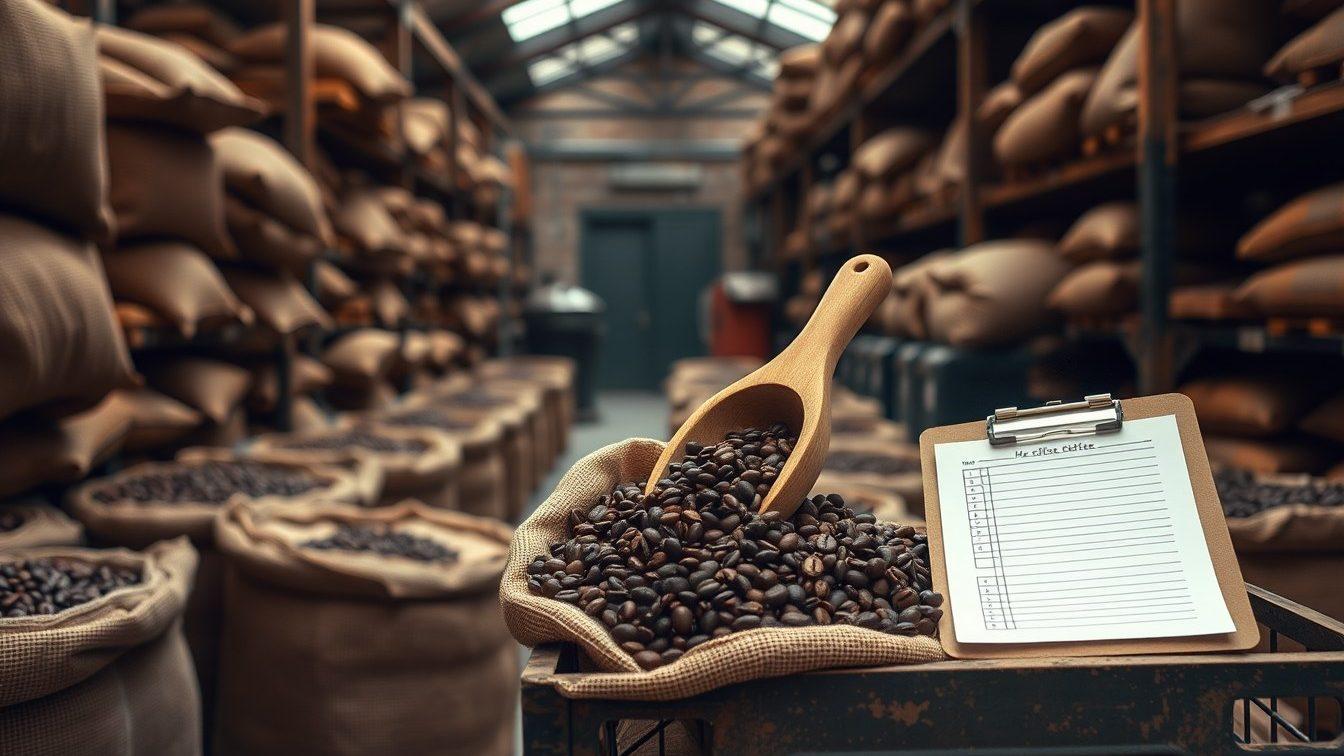
Most Vietnamese coffee leaves the country as green beans, unroasted. They are sold at exchange prices, then roasted, blended and packed abroad under foreign brands. The largest share of the added value (roasting, branding, retail) mostly stays outside Vietnam.
For a long time Robusta was also seen as a "second-class bean", used mainly for instant coffee and cheap blends. At home, many people grew used to coffee roasted with butter or bulked out with soybeans, which hid the real taste of Vietnamese Robusta.
A wave of change: quality over quantity
Over roughly the last ten years, a new wave has been taking shape:
Ripe picking and careful processing
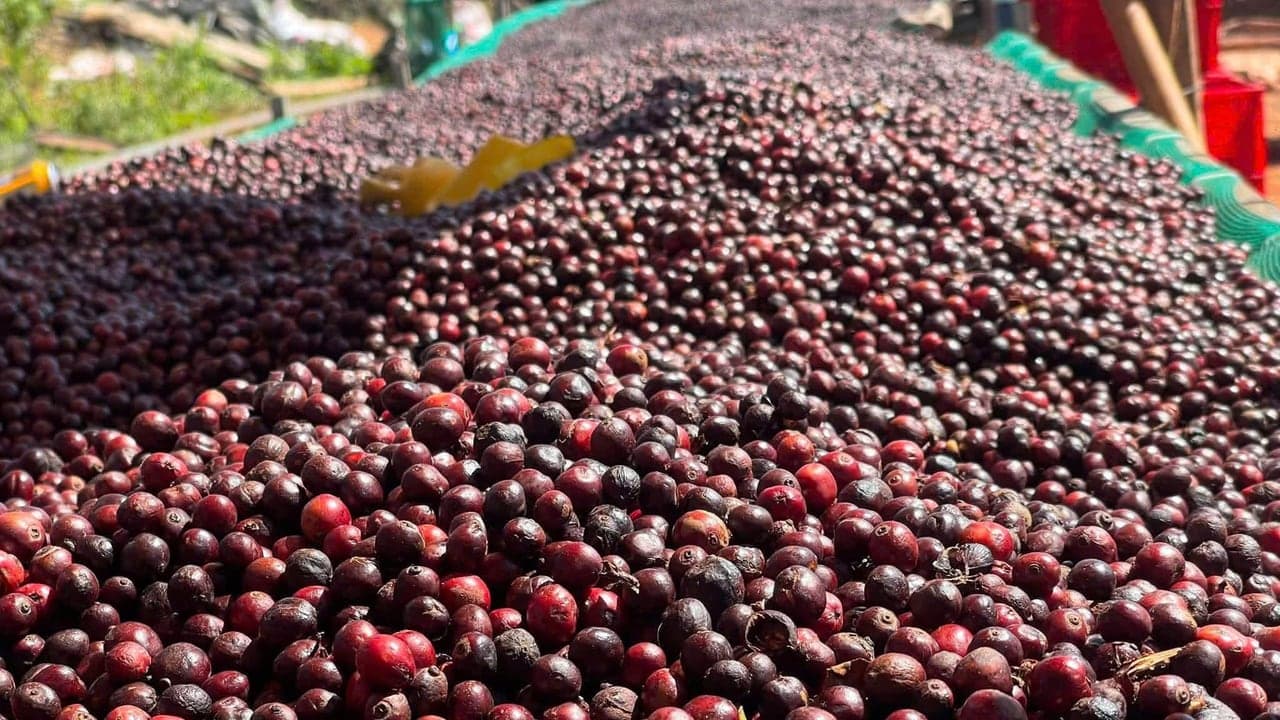
More and more growers are moving to selective picking of ripe cherries, drying on raised beds, and honey or fermented processing. Robusta cared for properly has a sweet aftertaste, a full body and a clean bitterness, far from the old image of "harsh and bitter".
Fine Robusta and specialty
Fine Robusta, meaning high-quality Robusta, is slowly drawing professionals' attention, although one coffee professional told Viet Nam News that Vietnamese Robusta is only just beginning that journey. Arabica from Vietnam's highlands has also started to appear on specialty menus.
Roasted in Vietnam, for Vietnamese drinkers
Vietnamese coffee brands that roast locally and are open about their origins are keeping the value of the bean inside the country. Vietnamese drinkers are asking for more, too: clean coffee, a clear origin, the true taste.
Natural roasting: back to the real taste of the bean
Within that wave, natural roasting (rang mộc) is a statement: no butter, no flavourings, no fillers, only the coffee bean and heat. It sounds simple, but a natural roast demands good beans, because nothing is left to hide their flaws. Find out more in what is natural-roast coffee?
Where QiFi fits in
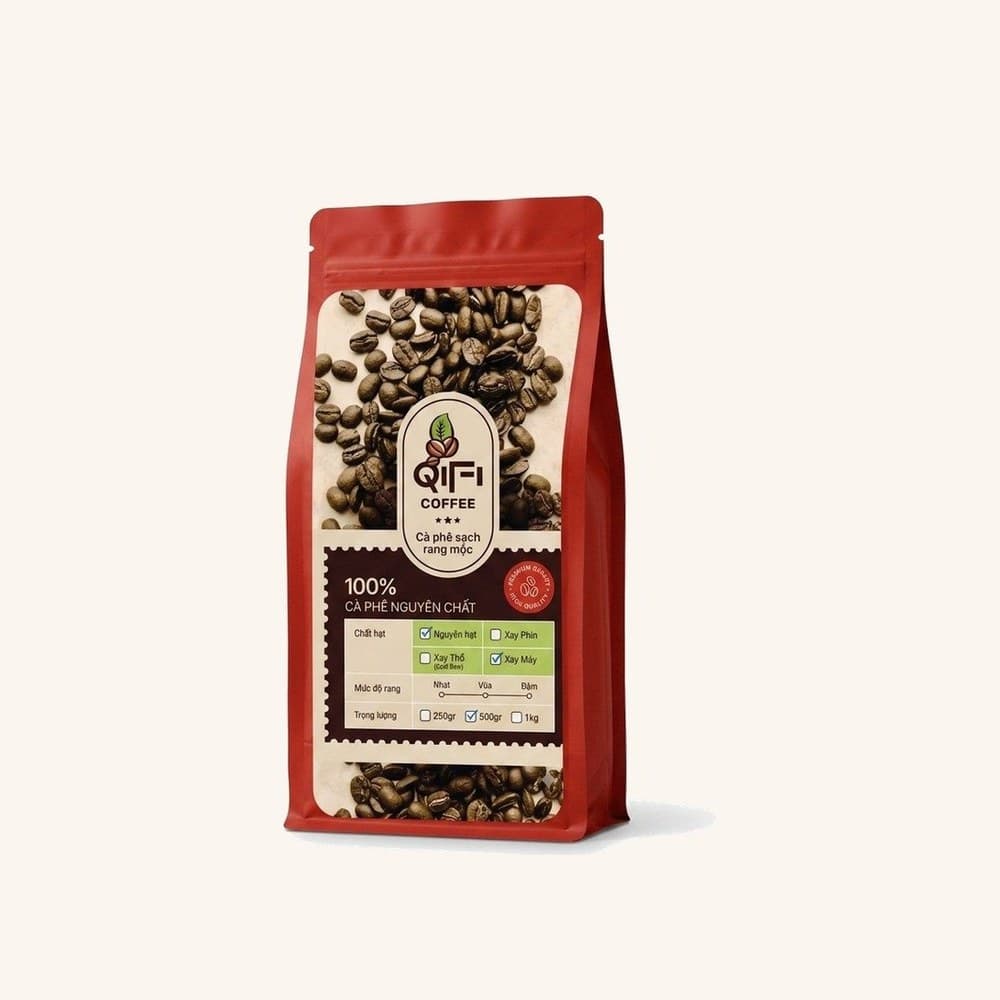
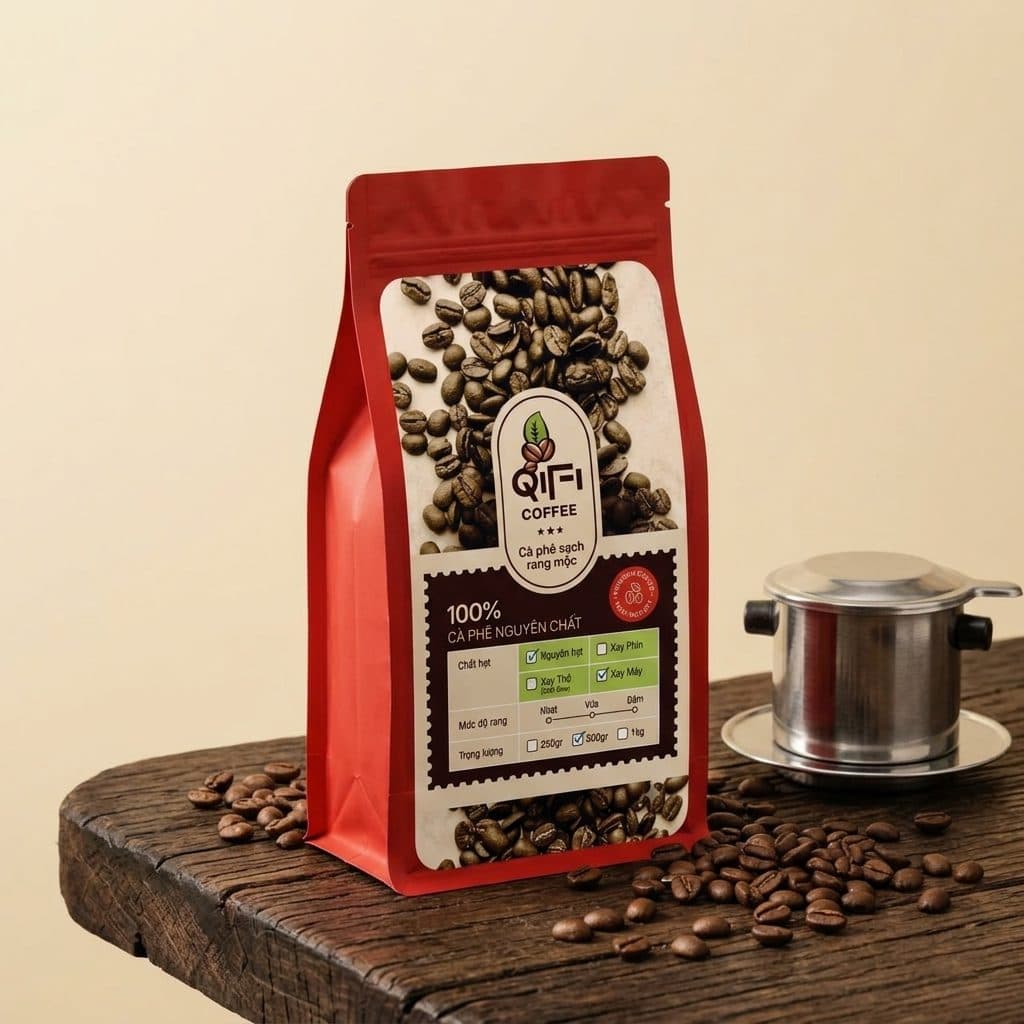
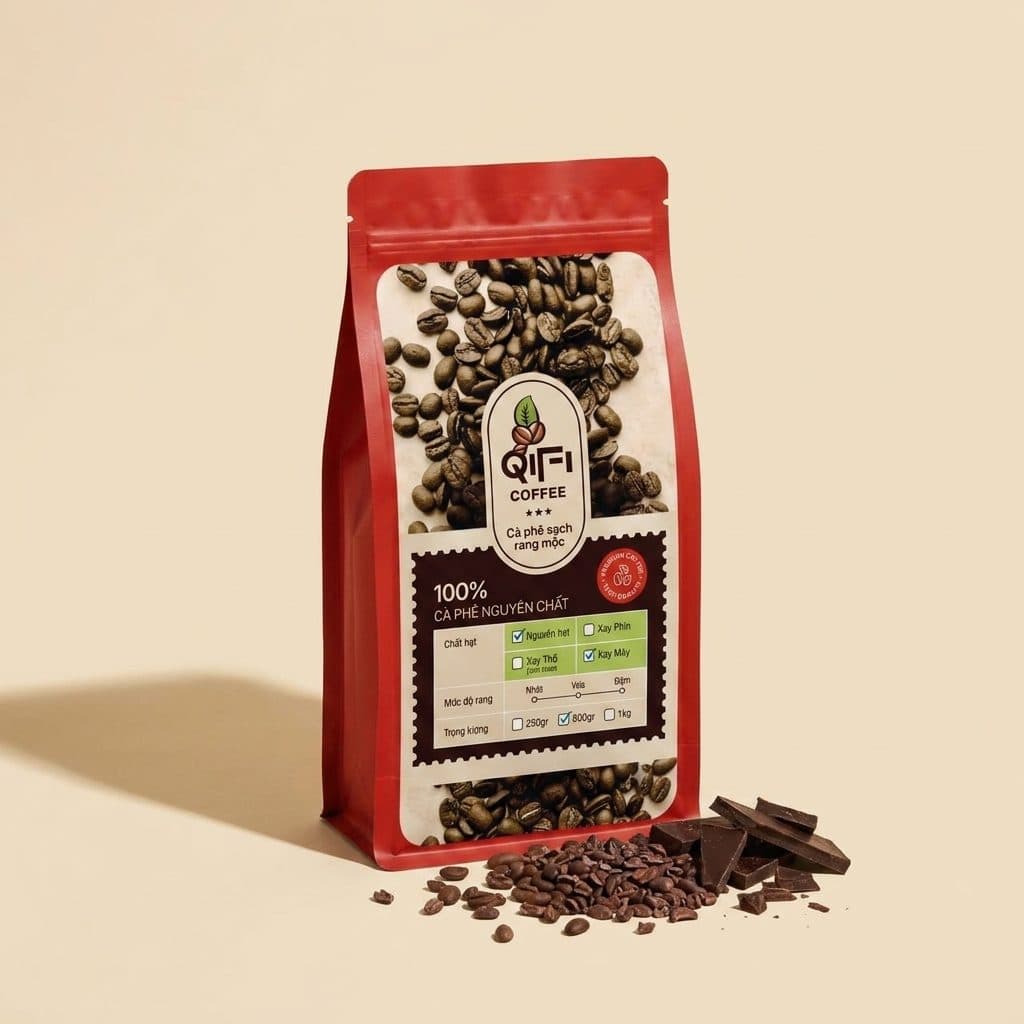
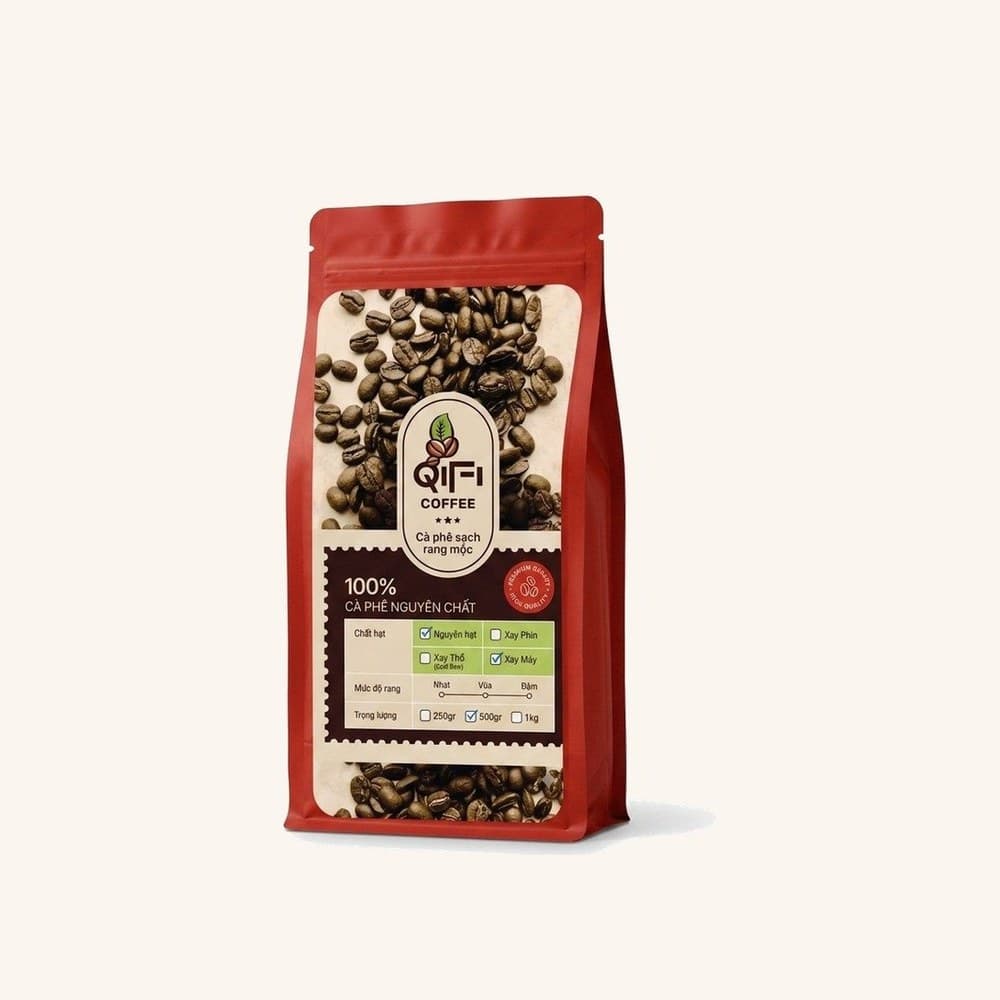
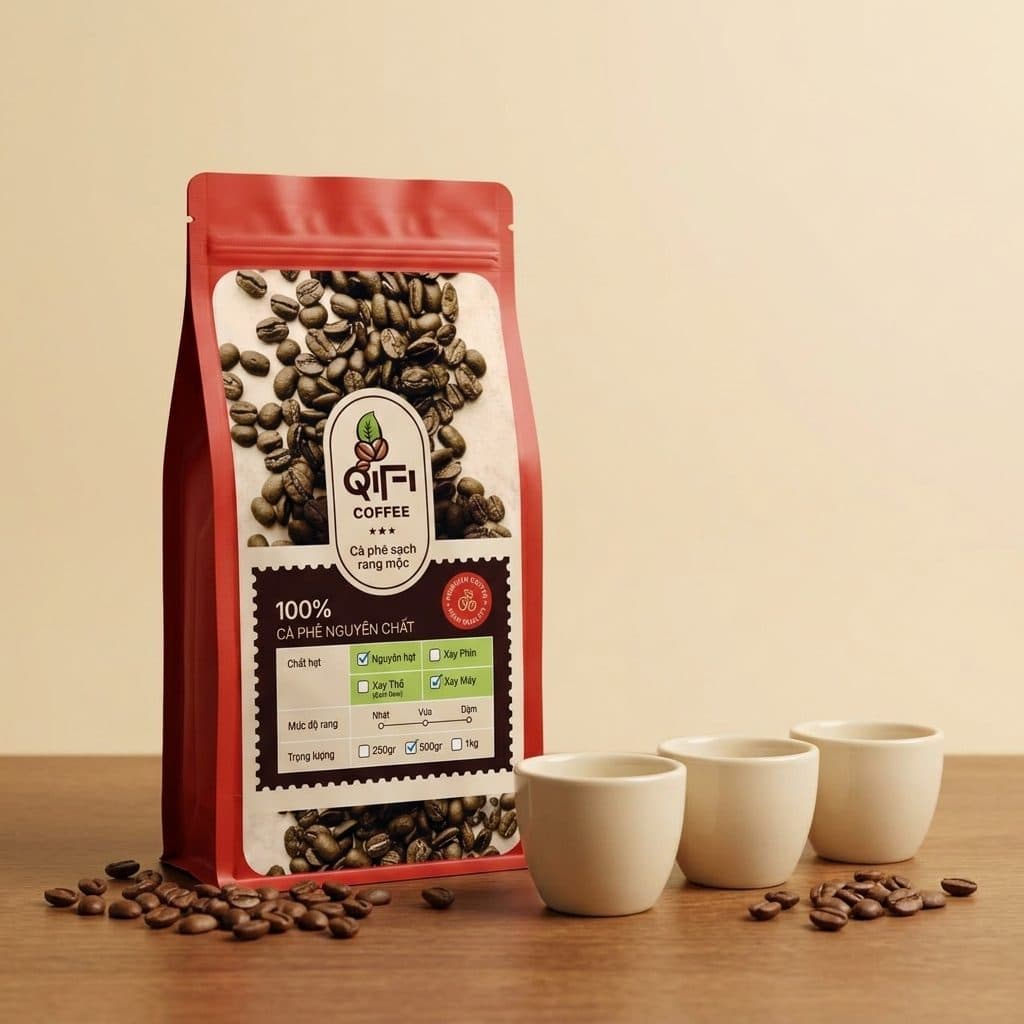
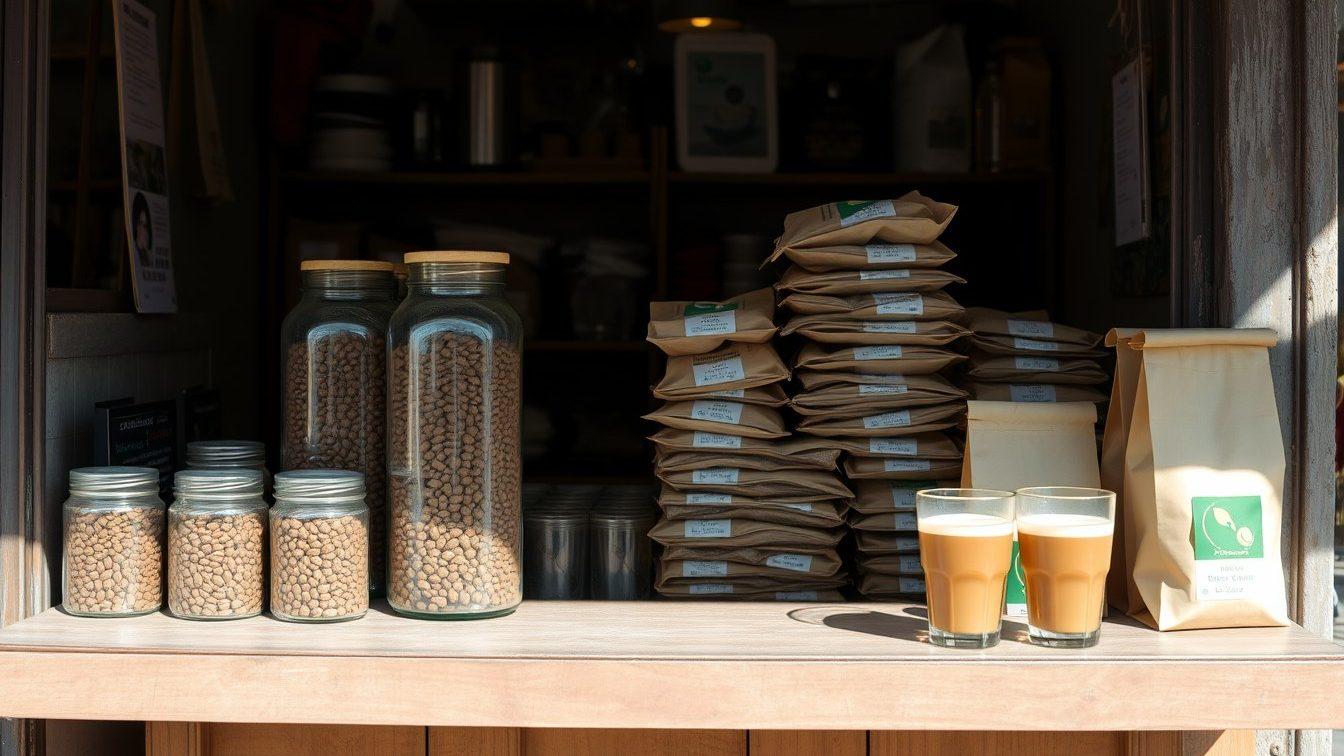
QiFi began with two close friends, Quới and Phi, a mother's small street-side café in Saigon, and the family coffee farm in Eahleo, Dak Lak, tended since 2020. We do not export raw beans. We roast naturally in Vietnam, blending Robusta, Culi and Arabica for Vietnamese tastes, such as GIAO HÒA and NGUYÊN BẢN, plus a Cau Dat Arabica, TỈNH.
Read more of the QiFi story.
The future of Vietnamese coffee
Vietnam will remain the world's "Robusta capital". But the question is no longer "how many tonnes" but "how good". When growers pick ripe, roasters keep the natural taste and drinkers choose clean coffee, Vietnamese coffee will not just be on the world map: it will have a place of its own.
Frequently asked questions
Why does Vietnam grow mostly Robusta?
Robusta suits the low and middle altitudes and the hot, humid climate of the Central Highlands, resists pests and diseases well, and gives high yields.
What is Culi?
Culi (peaberry) is a round coffee bean, where the cherry holds a single seed instead of two. Culi is usually sorted out separately and gives a distinctive strong, aromatic taste.