QiFi Journal
What is truly natural-roast coffee in the age of clean coffee?
Natural-roast coffee is pure coffee roasted with heat alone: no butter, no flavourings, no fillers. Here is how to tell the real thing from a label.
QiFi··4 min read
Contents
"Natural coffee", "clean coffee", "pure natural roast": these words appear on more and more packs. But not every bag printed with "natural" really is. This article explains what natural-roast coffee is, why it matters, and how to tell for yourself.
In Vietnamese it is called cà phê mộc or rang mộc: mộc means plain, unadorned.
Definition: natural-roast coffee
Natural-roast coffee meets two conditions:
- Pure: only coffee beans, with no soybeans, corn, black beans or any other seed mixed in.
- Roasted with heat alone: no butter, sugar, fish sauce, salt or liquor, no flavourings, no colouring and no thickeners, whether before, during or after roasting.
If either condition is missing, it is no longer natural-roast coffee.
Why is coffee "coated" at all?
Coating beans during the roast was common practice in Vietnam for many years, for several reasons:
- To hide flaws in the beans: unripe, damaged or mouldy beans taste astringent and smell off, and butter and flavourings mask this.
- To add a rich, buttery, intense aroma that suits the familiar taste for "strong" coffee.
- To add weight and a darker colour when cheaper seeds are mixed in.
- To lower the cost.
The problem is that the drinker does not know what they are drinking. See the comparison in pure coffee or street-café coffee.
Why is a natural roast harder?
When there is nothing to cover them, everything shows: unripe picking tastes astringent, damp drying turns mouldy, an underdeveloped roast is sharply sour and an overdone one burnt. Natural-roast coffee is only good when:
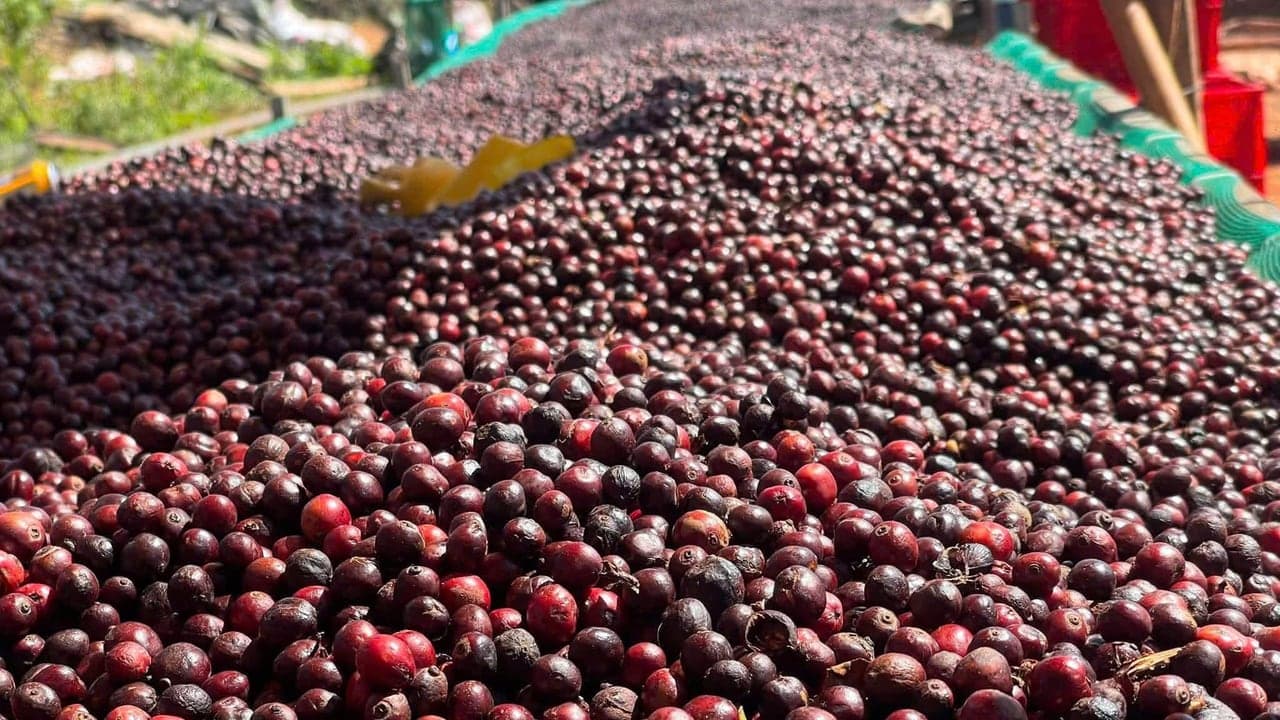
- The beans are good: picked ripe, dried thoroughly and sorted to remove defects.
- The roast is right: stable heat control, so the beans cook evenly from the inside out.
- The blend is balanced: a Robusta, Culi and Arabica ratio that balances bitterness, body and aroma.
Learn how QiFi roasts in the art of natural roasting.
How to recognise natural-roast coffee
Look at the beans
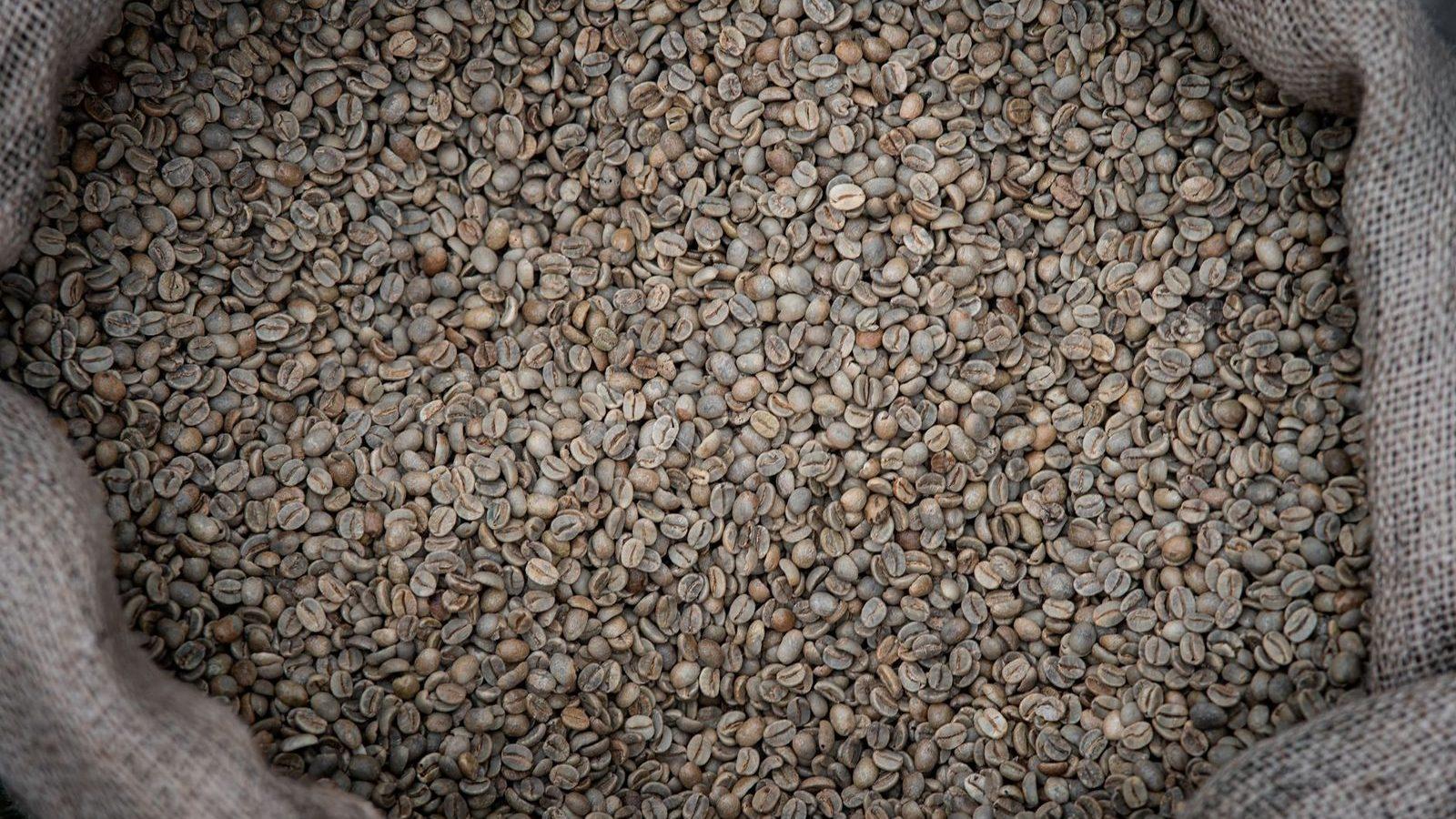
- Natural: an even brown colour, a dry surface or just a slight natural sheen of oil (for dark roasts), not sticky to the touch.
- Coated: glossy, greasy, sticky, sometimes with a shell of burnt sugar.
Look at the ground coffee
- Natural: loose, fluffy, light.
- Coated or bulked out: damp, sticky, clumpy, heavy in the hand.
The cold water test
Put a spoonful of ground coffee in a glass of cold water. Natural coffee mostly floats and the water colours slowly. Coffee with fillers or colouring sinks quickly and the water turns dark fast. This is a folk tip for raising suspicion, not an accurate test: to be sure, send a sample to a lab.
Look at and taste the cup
- Natural: a clear, reddish-brown liquid; a gentle natural aroma; a clean bitterness, a sweet finish, perhaps a light acidity.
- Coated: ink-black; a harsh aroma; a burnt bitterness and an unusually heavy, buttery richness.
Let the cup cool and smell it again: real coffee fades, while flavourings stay sharp and leave a "chemical" aftertaste.
Read the label
A genuine natural-roast product usually states its ingredients (100% coffee, the variety ratio), its roast level, where it is made, and holds a food safety certificate. The word "natural" with no other information is a reason to be careful.
Natural roasting in the age of clean coffee
"Clean coffee" is not only about being harmless. It is about transparency: knowing where the beans come from, how they were handled, and that nothing else is in the cup. Natural-roast coffee is the foundation of clean coffee: nothing added, nothing hidden.
It is also the spirit of the specialty movement around the world: respect for the original taste of the bean. Read more: why coffee lovers fall for hand drip.
QiFi's commitment
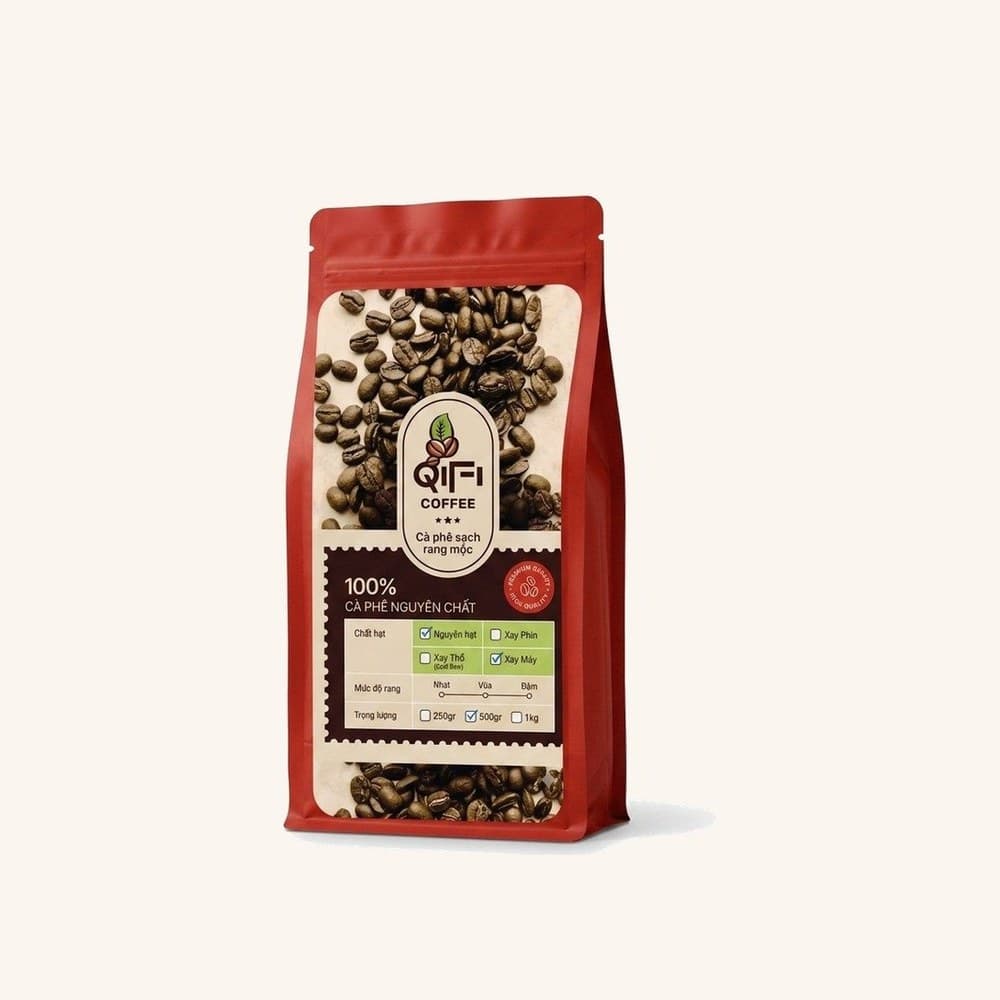
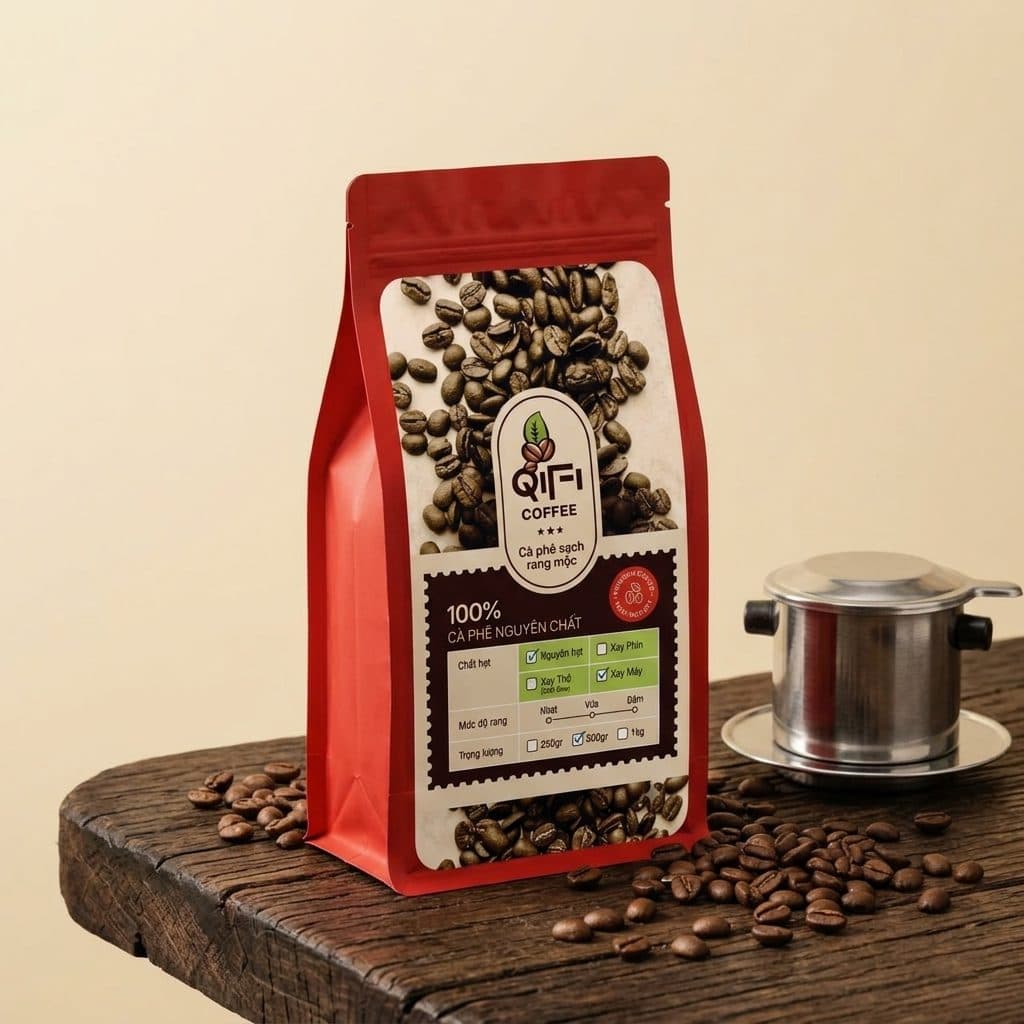
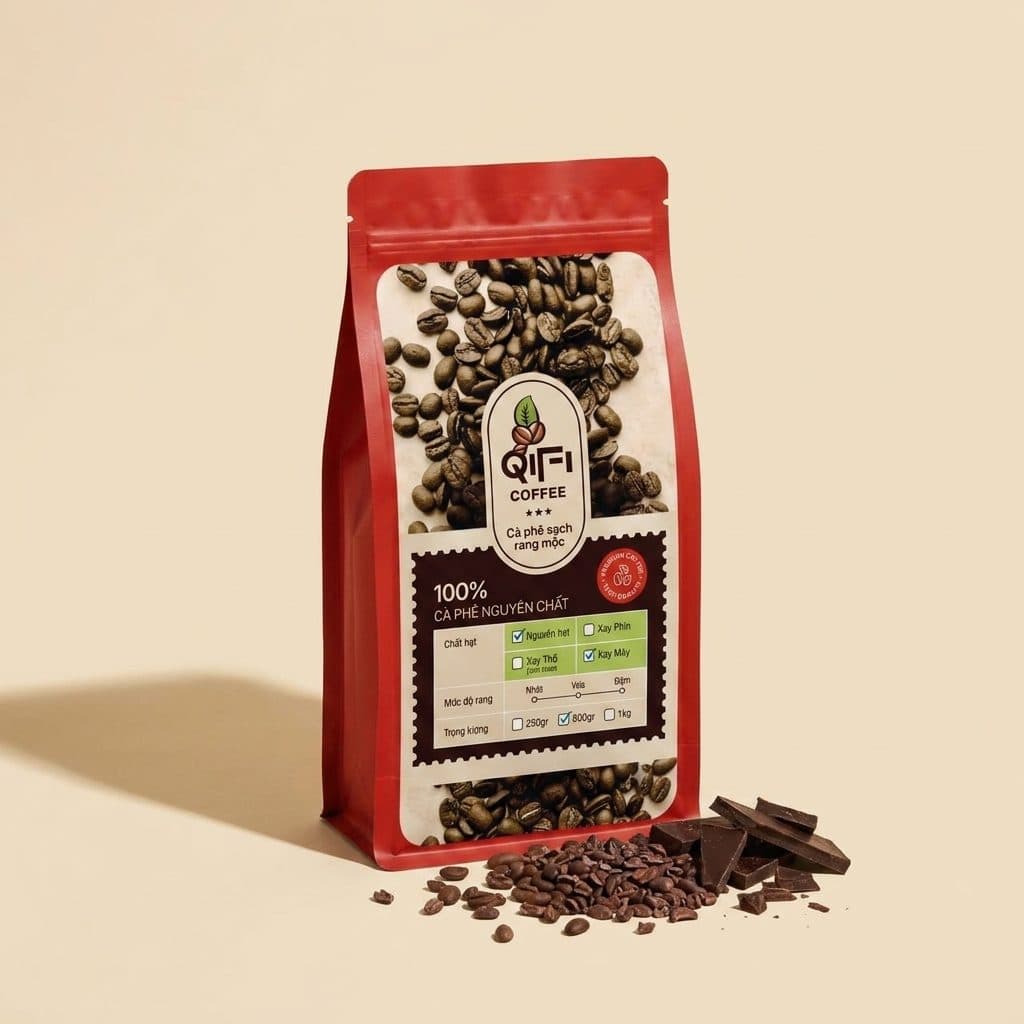
QiFi makes only 100% pure, 100% naturally roasted coffee: no butter, no flavourings, no additives. The beans are roasted by machine to QiFi's own roast profiles and blended to each product's own recipe, for example ĐỘC TÔN or NGUYÊN BẢN. Our HACCP, ISO 22000:2018 and food safety certificates are all public.
Frequently asked questions
Does natural-roast coffee keep for long?
Natural-roast coffee has no preservatives, so it is best within a few weeks of roasting and of opening the bag. Store it sealed, somewhere cool and dry, out of the sun.
Are oily coffee beans coated in butter?
Not necessarily. Dark-roasted beans can release natural oil onto their surface after a few days. Natural oil is a thin, even layer; a butter coating is usually thick and greasy, with a clear buttery smell.