Flavour journey
The 2026 Dak Lak coffee harvest: picked ripe, dried with care
Brazil has a record crop and El Niño is coming, but the taste of your Robusta is decided on the farms and drying yards of Dak Lak this harvest.
QiFi··10 min read
Contents
Brazil has just harvested the largest coffee crop in its history, world prices have started to ease, and meteorologists are watching an El Niño that could be the strongest on record. It sounds like news from the trading floor, but there is something few people mention: a record crop on the other side of the world barely changes the taste of the Robusta you drink tomorrow morning. One rainy day on a drying yard in Dak Lak does.
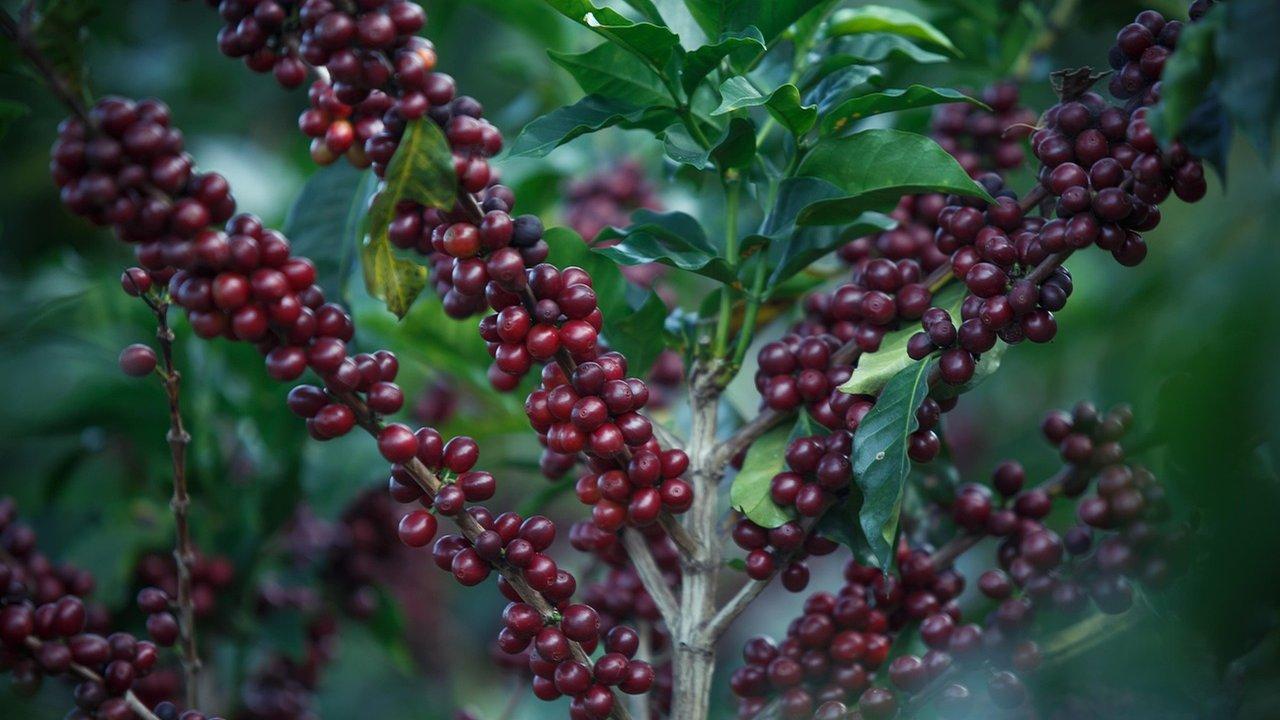
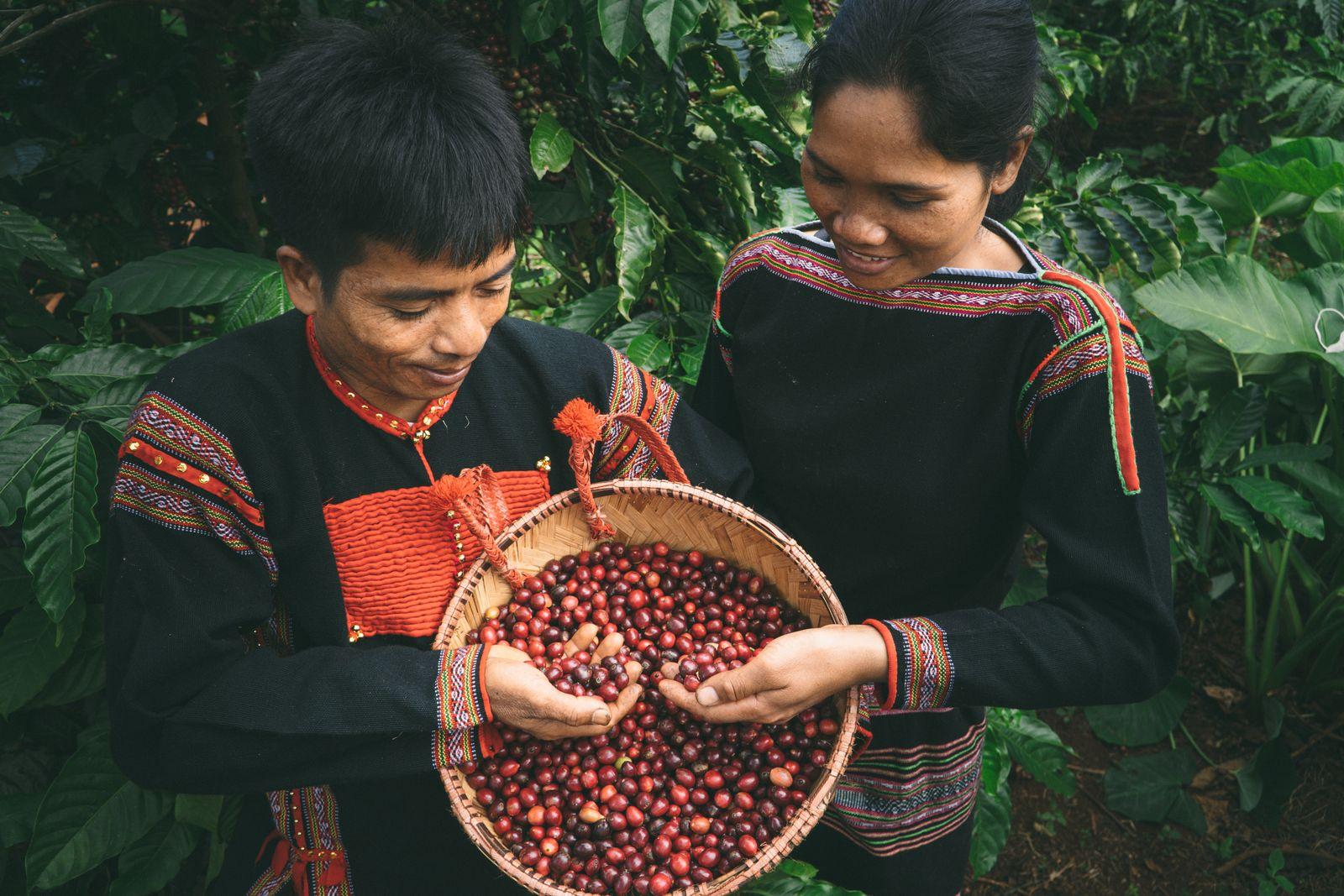
In October the 2026–2027 Dak Lak coffee harvest begins. Around Buon Ma Thuot the cherry clusters have turned from green to red, farmers spread tarpaulins under the trees and sweep the drying yards clean. From now until around January, the way growers pick, dry and store their beans will decide the coffee you drink for the whole of the coming year.
This article follows a coffee cherry from the branch to the sack: how picking makes a bean sweet, and how one wrong step in drying ruins a whole batch. The last part answers a bigger question: with Brazil enjoying a bumper crop, where does Vietnamese Robusta stand, and why is El Niño a bigger worry for the next crop than for the one being picked now?
When is the coffee harvest in Dak Lak?
In Dak Lak, Robusta usually ripens from late October to January, peaking in November and December. Each farm's calendar differs by a few weeks, depending on three things:
- Altitude and soil. Most Robusta farms sit on red basalt soil at about 300–500 m (FAO); the higher the farm, the later the cherries ripen.
- Flowering time. The trees flower after irrigation or the first rains of the previous dry season. Farms that flower early start harvesting early.
- Weather at the end of the rainy season. Rain that drags on into November makes the cherries ripen unevenly and makes drying far harder.
Dak Lak has the largest coffee area of any province in Vietnam, so its harvest is also the busiest time of the year for Vietnamese coffee: pickers, cherry trucks, drying yards and hulling machines work almost round the clock.
Selective picking or strip picking: the difference is in the cup
There are two main ways to pick, and they produce two very different beans.
Strip picking
The picker strips the whole branch in one go, taking ripe, half-ripe and green cherries alike. It is fast and cheap on labour, so it remains common. The price is that green cherries do not have enough sugar; when roasted they give an astringent, harsh taste and a raw, grassy smell. A batch with many green cherries is hard to save, however skilful the roast.
Selective picking of ripe cherries
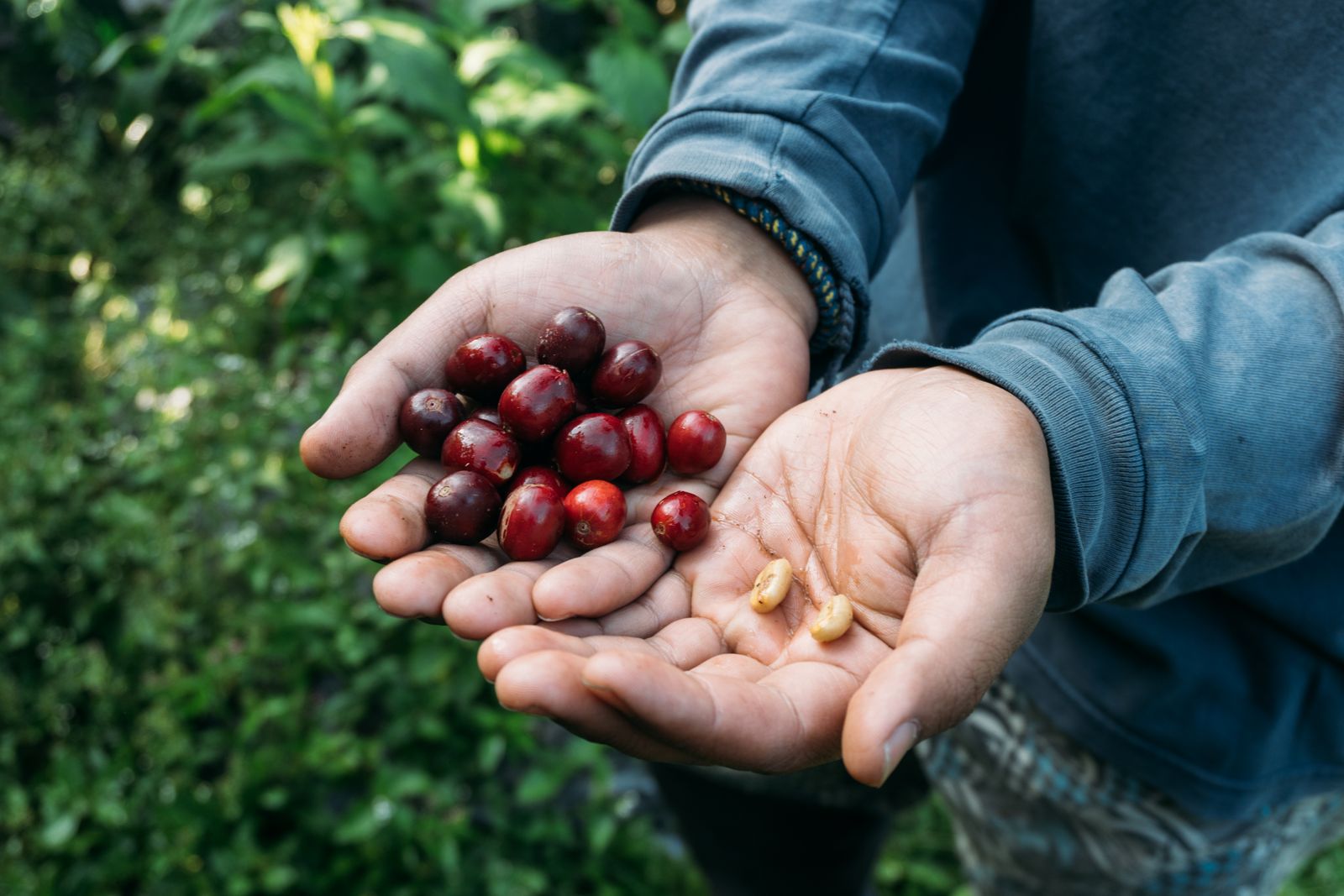
The picker comes back to the same tree several times, taking only cherries that are red or deep red. It takes many times more work, but ripe cherries have built up enough sugar and acidity, so the roasted bean has a sweet aftertaste, a fuller body and a clean bitterness rather than a harsh one. Many quality coffee programmes aim for more than 90% ripe cherries in every picked batch.
If you have ever wondered why two Robustas from the same region taste so different, the answer often starts right here.
After picking: drying and processing
Freshly picked coffee cherries hold a lot of water and begin to ferment straight away, so they have to be processed the same day. In Dak Lak there are three common methods:
- Natural: whole cherries are dried on a yard or on raised beds until fully dry, and only then hulled. This is the traditional Central Highlands method, giving a rich, fruity sweetness, but it needs good sun and regular turning so the cherries do not go mouldy.
- Honey: the outer skin is removed, part of the sticky mucilage is left on, and the beans are dried. The taste is cleaner than natural while keeping its sweetness.
- Washed: the skin is removed, the beans are fermented and the mucilage washed off before drying. The taste is clear and bright, but it uses a lot of water and needs equipment.
Whatever the method, the goal is to bring the bean's moisture down to about 11–12% (NCA, FAO). Beans that are still damp go mouldy in storage; beans dried too fast with high heat lose their aroma. Slow drying on raised beds, off the ground, lets the air circulate and the beans dry evenly. It takes more days, but keeps far more of the aroma.
Late-season rain: a grower's biggest worry
The Dak Lak harvest often coincides with the last rains of the season. One heavy shower while the cherries are lying on the yard can ruin a whole batch: they take on moisture again, over-ferment, and the beans develop sour, mouldy notes. So whenever the weather turns, the whole family rushes to gather the cherries and cover them with tarpaulins, then spreads them out again when the sun returns.
That is also why some growers invest in covered drying houses or low-temperature dryers. Not just to work faster, but so that days of selective picking are not wiped out by a single downpour.
This year, rain and sun are not only Dak Lak's worry. The whole coffee market is watching the sky, in both hemispheres.
The 2026 crop on the world coffee map: a bumper Brazil, El Niño looming
Brazil and Vietnam produce more coffee than any other countries, so a cup in Buon Ma Thuot and a cup in São Paulo always sit on the same scales. In 2026 the two harvests are telling two different stories.
Brazil: the largest crop on record, thanks to Arabica
Brazil harvests from around May to September, so by the time Dak Lak begins picking, Brazil's beans are already in warehouses and on ships. Its 2026/27 crop is forecast to set a record: the US Department of Agriculture (USDA) estimates about 72 million 60 kg bags, while Brazil's supply agency (CONAB) is more cautious at almost 67 million. Nearly all of the increase comes from Arabica, rebounding by more than a quarter after five years of weather-hit crops. Brazil's Robusta, known there as conilon, is roughly flat.
The flood of Brazilian exports is also the main reason world coffee prices fell in the first sessions of October; why, and who gains, is in coffee prices fall as the new crop arrives.
Vietnam: still the capital of Robusta
Vietnam is expected to grow slightly, to about 32.5 million bags according to the USDA, almost all of it Robusta, as farms replanted a few years ago start to bear steadily. The Vietnam Coffee and Cocoa Association (VICOFA) is more guarded, saying only that output may "rise slightly" and warning that El Niño should not be underestimated. The new crop is expected to reach the market from November.
A bumper Arabica crop in Brazil does not take Vietnamese Robusta's place. The two beans serve different needs: Robusta is the main ingredient of instant coffee, of many strong espresso blends and of the familiar phin, and Vietnam grows more Robusta than anywhere else in the world. How Vietnam's two beans compare with the world on price, taste and caffeine is set out in where Vietnamese Robusta and Arabica stand.
El Niño: the real worry is next year's flowering
In its update of 8 October 2026, the US National Oceanic and Atmospheric Administration (NOAA) said El Niño continues to strengthen, with about an 83% chance of exceeding the strongest level ever recorded by the end of the year. The peak is forecast around December, with effects lasting into early 2027.
The point is that El Niño mainly threatens not the crop being picked now, but the next one. In the Central Highlands, El Niño usually brings a hot, dry season short of water, and the 2026–2027 dry season is exactly when coffee trees need irrigation to flower for the next crop. In Brazil, this year's September–October flowering decides the 2027/28 crop. In other words, the cherries ripening on the branch this year are relatively safe; what both countries are watching is next year's blossom.
El Niño years can also bring very heavy out-of-season rain, so the drying worries above still stand.
What does that mean for your cup?
A record crop in Brazil moves world prices, but it does not make your Robusta taste better or worse. What decides that is still how each Dak Lak farm picks and dries over the next few weeks. While the market is busy with millions of bags, it is that slow, careful work that makes the difference in the cup.
Figures as of October 2026. Production forecasts will be revised as the harvest ends.
From green bean to roast
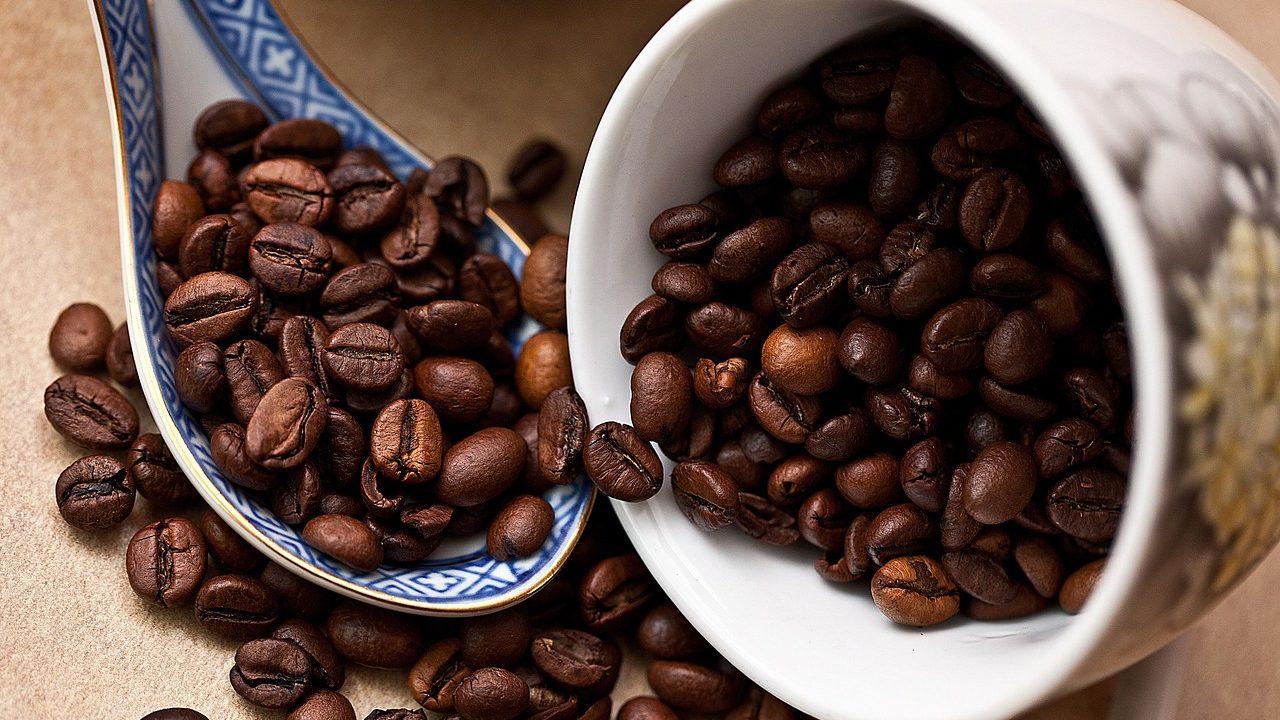
Once dry enough, the beans are hulled to remove the parchment and become green coffee. The green beans are then graded by size, with black, broken and insect-damaged beans removed, and stored in an airy warehouse to "rest" for a while before roasting. Well-rested beans have a stable moisture content, so they roast more evenly.
At roasting time, every choice made during the harvest shows. Beans picked ripe and dried carefully need no butter, sugar or flavourings to hide their faults. That is what makes natural roasting possible: just the bean and the heat. The stages of a natural roast are described in the art of natural roasting at QiFi.
What does a harvest done properly give the drinker?
You do not need to visit the farm to notice the difference. Coffee from ripe-picked, carefully dried beans, brewed properly in a phin, usually has:
- a clear, reddish-brown colour rather than an inky black;
- a clean bitterness and a long, sweet aftertaste, never harsh on the throat;
- the aroma of roasted coffee, not a heavy perfume of flavourings;
- dry, loose grounds that do not clump.
These are also the signs of genuinely natural-roast coffee in any bag you buy.
To keep all that after opening the bag, seal it tightly, store it somewhere cool and dry, out of the sun, and finish it within a few weeks.
Frequently asked questions about the Dak Lak coffee harvest
How many harvests does Dak Lak coffee have a year?
One main harvest a year, usually from late October to the following January. The trees flower in the dry season, set and grow their fruit through the rainy season, and ripen at the end of the year.
Why does ripe-picked coffee taste better?
Ripe cherries have built up enough sugar and organic acids. When roasted, the sugars caramelise naturally, giving a sweet aftertaste and body. Green cherries lack these, so they taste astringent and harsh.
How does the 2026 El Niño affect Vietnamese coffee?
The 2026–2027 harvest now under way is little affected directly. The bigger risk lies in the 2026–2027 dry season: heat and a lack of irrigation water can make the trees flower poorly, cutting the next crop. El Niño years can also bring out-of-season rain, which makes drying difficult.
Should you drink new-crop coffee straight away?
New-crop beans need time to dry, hull, grade and rest before roasting, so this year's harvest usually reaches drinkers only a few months later. After roasting, coffee should also rest for a few days to release some of its gas before brewing.
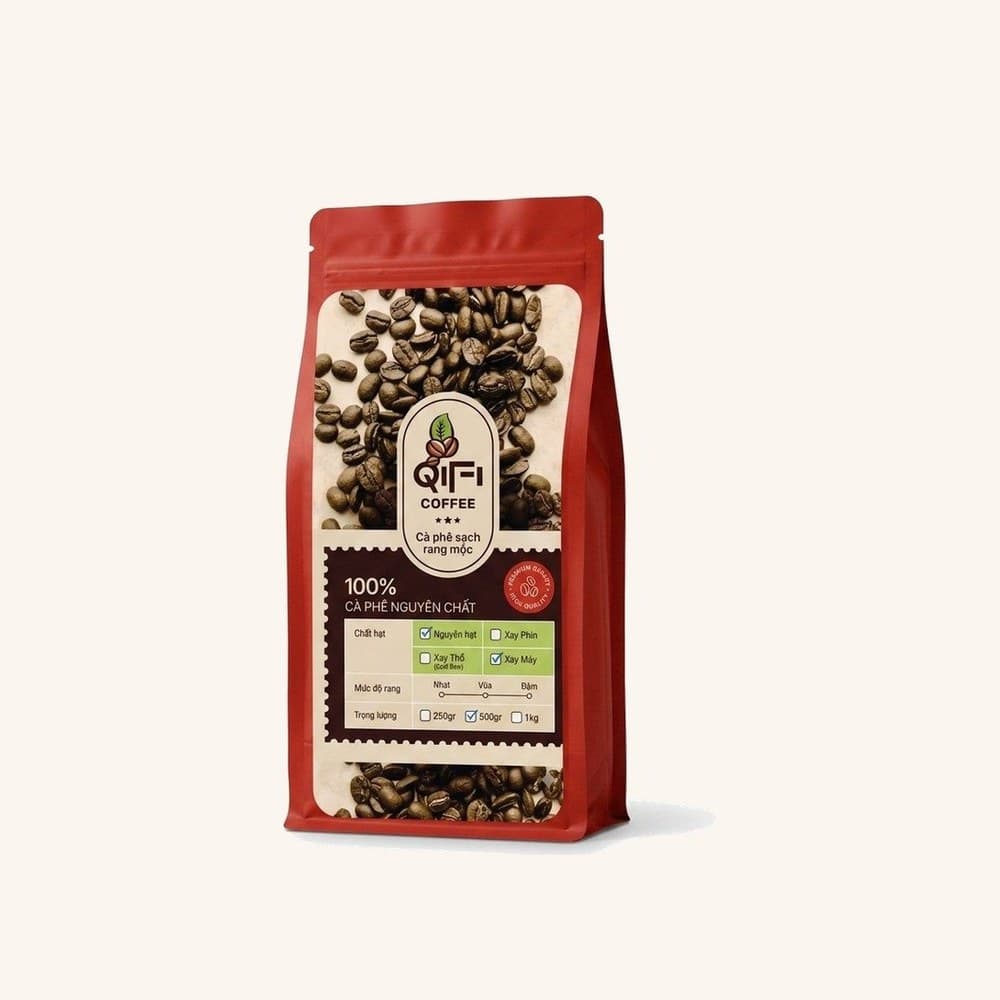
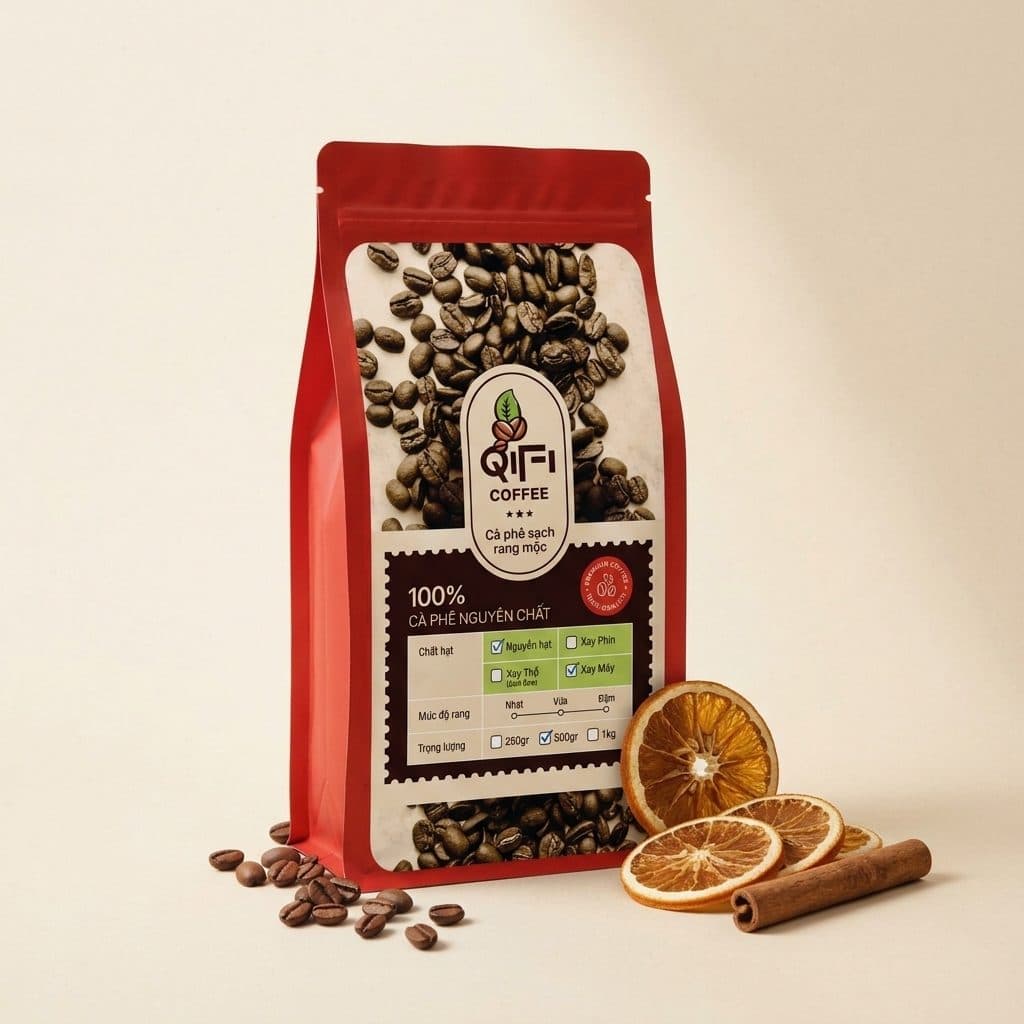
Every bag of QiFi coffee starts with a season like this one in Dak Lak. If you want to know whose hands the beans pass through before they reach your cup, read the QiFi story or try NGUYÊN BẢN coffee, naturally roasted Dak Lak Robusta with a touch of Arabica for a softer finish.