QiFi Journal
How Gen Z and Millennials drink coffee: keen to try new things, wanting to know what is in the cup
Young people still love iced milk coffee, but they like trying new brewing methods, brewing at home, and increasingly want to know what their coffee is made of.
QiFi··3 min read
Contents
Our parents' generation grew used to thick black phin coffee with plenty of sugar, drunk at a little street-corner café. Gen Z and Millennials still love coffee, but the way they choose coffee is changing. This article looks at those changes, and at what has not changed.
From "strong is good" to "clean is good"
For years, a good cup meant black, thick and intensely fragrant. The younger generation asks a different question: what is this coffee made of? Fake coffee cases that come to light, such as one in An Giang using roasted corn and soybeans treated with additives, where test samples found no caffeine (Tuổi Trẻ, May 2026), make young people more wary. They read labels, look into origins, and are willing to pay more for transparency.
Read more: pure coffee or blended street-café coffee: which is better?
Five standout trends
1. Less sugar, more flavour
Iced milk coffee is still young people's favourite (a thesis on Vietnamese Gen Z attitudes to coffee, Prague University of Economics and Business, 2023). But they also like trying new things: some move to black coffee or coffee with fresh milk, or try it without sugar to taste the real thing. They talk about "bright acidity", "a sweet finish" and "fruity notes", ideas once heard only among professionals.
2. Brewing at home as a hobby
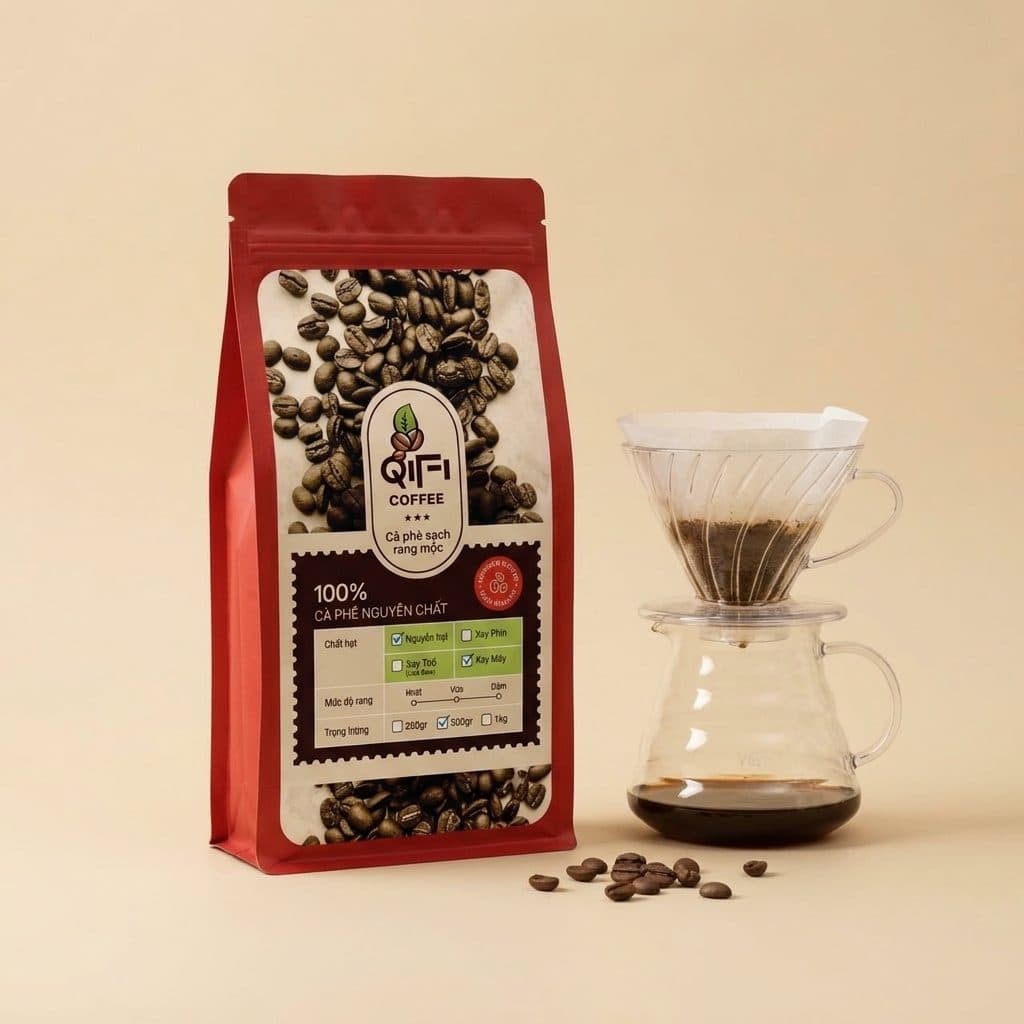
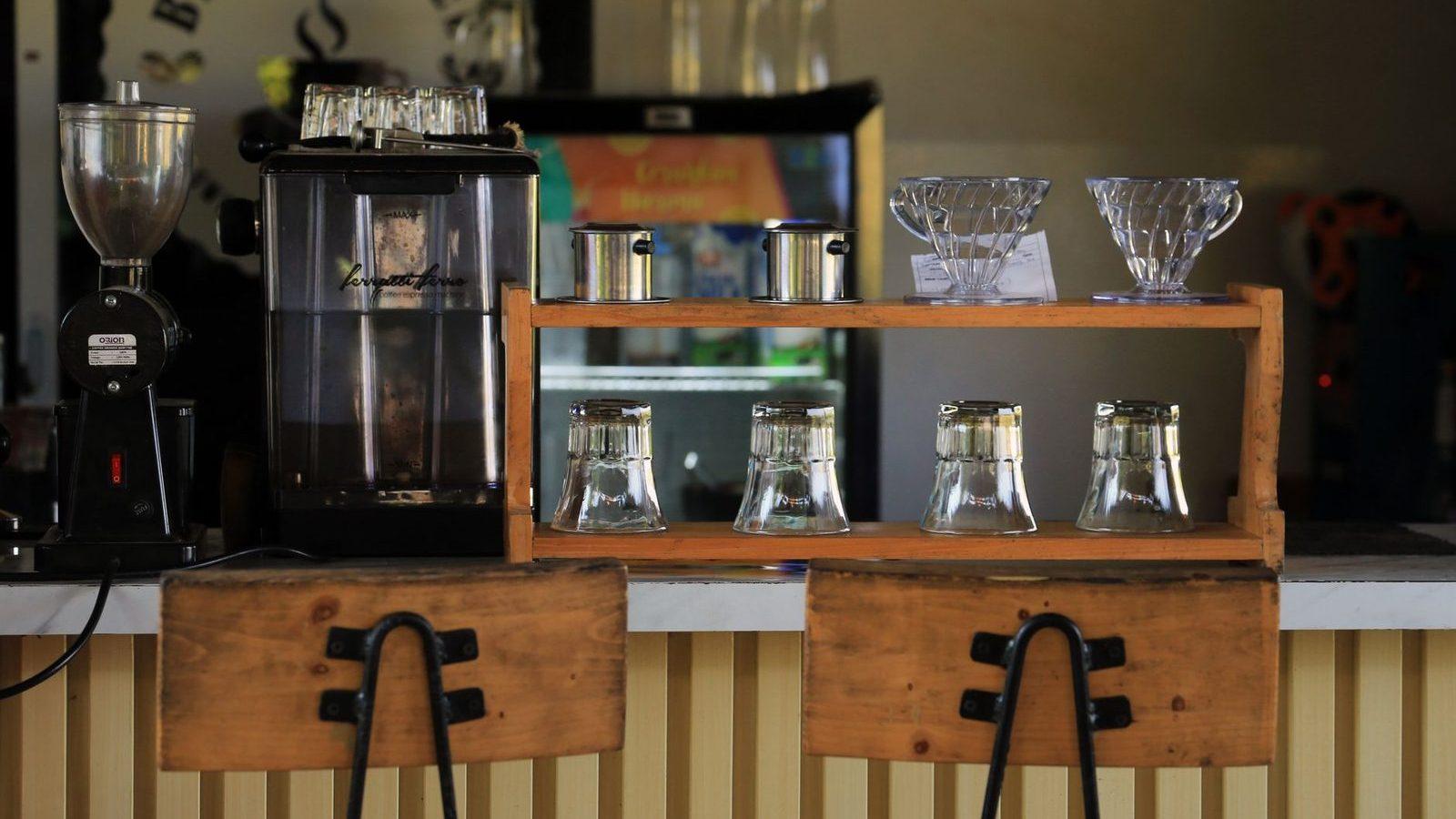
Phin, pour-over, cold brew, a hand grinder: a home coffee corner has become part of the lifestyle. It saves money and lets you control what you drink. See how to brew coffee by hand like a barista at home.
3. The rise of cold brew
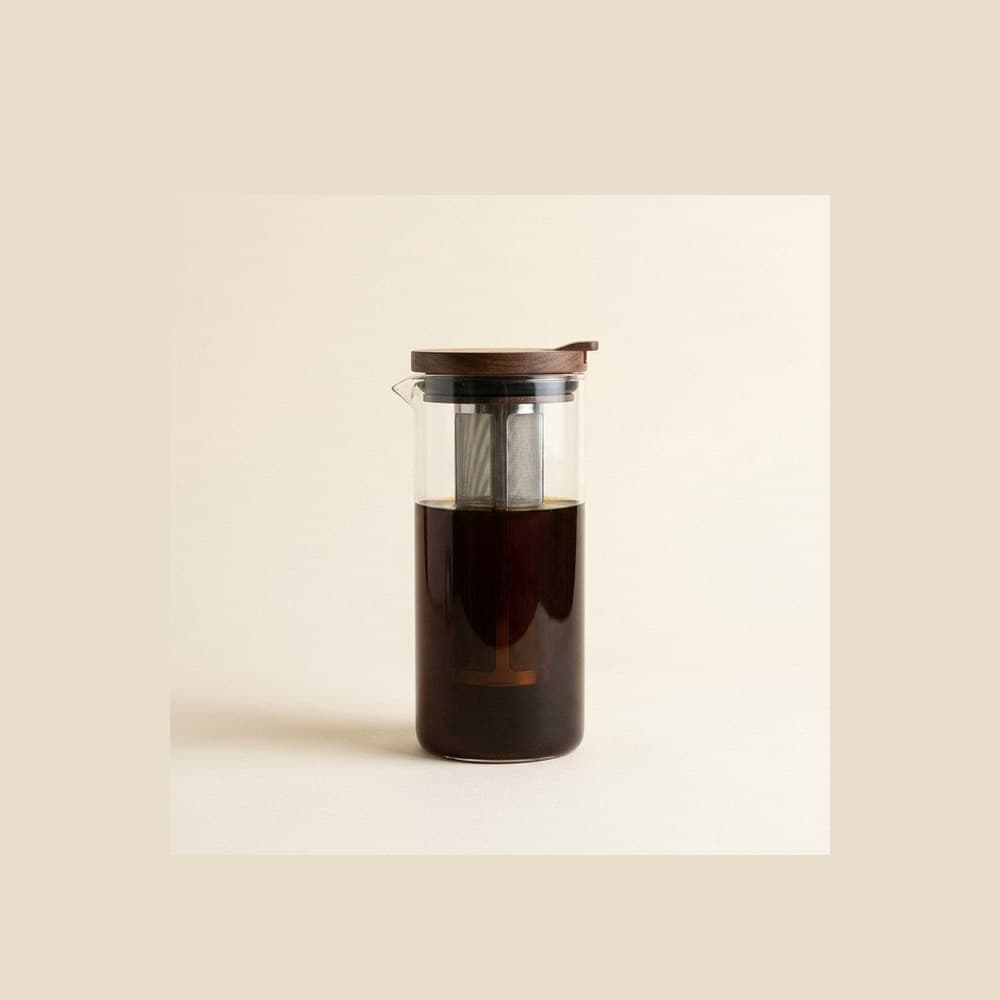
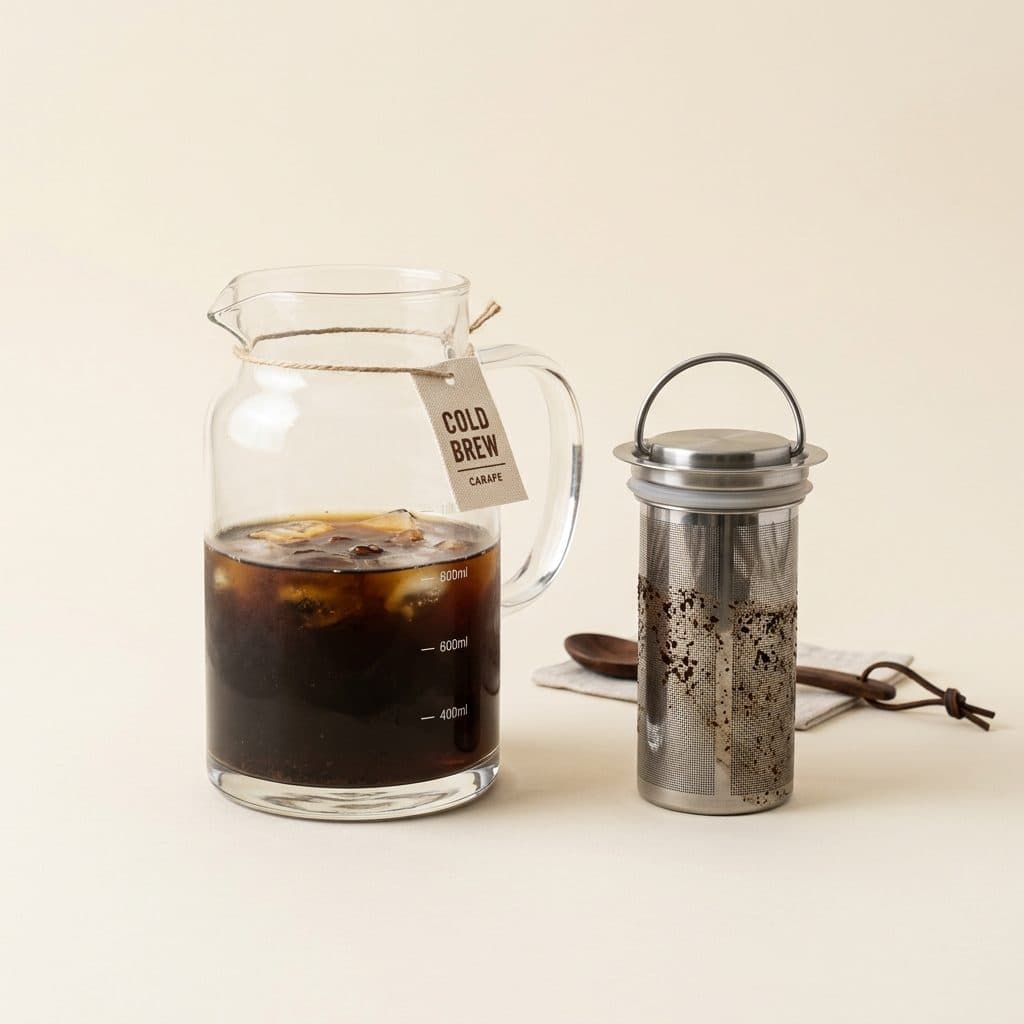
Cold brew is smooth, low in harsh bitterness, easy to drink in a hot climate and suits a busy life: steep a bottle in the evening and drink it all week. QiFi's recipe: 100g of coarsely ground coffee to 1 litre of water, steeped for 12 hours, easiest with a cold brew bottle.
4. Transparent origins
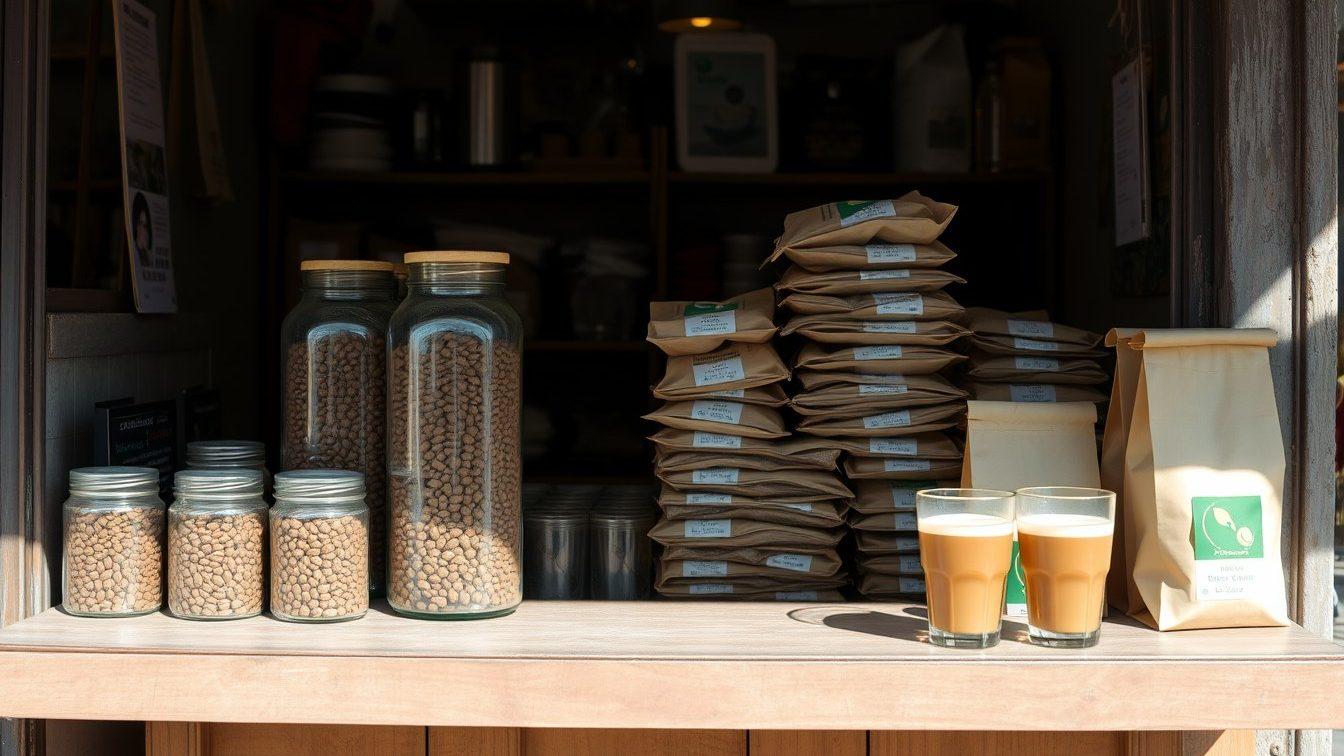
"Where are the beans from? Who grew them? How were they roasted?" Young drinkers want answers. A brand that can tell the story from farm to cup, with food safety certification, earns more trust than a pretty label.
5. Health: noticed when the body speaks up
The same thesis found that Vietnamese Gen Z do not drink coffee for its health benefits; health only shapes their choice once they have symptoms such as poor sleep or an upset stomach. That is when young people start paying attention to sleep, their stomachs, caffeine and sugar. They look up the best time to drink coffee, choose Arabica when they want something light and Robusta when they need to stay alert, and stop drinking coffee early to sleep well.
But not a rejection of tradition
Interestingly, young people are not turning their backs on Vietnamese coffee. On the contrary, they are rediscovering it: ripe-picked Dak Lak Robusta, the traditional phin, salt coffee, egg coffee. What they want is a cleaner, more honest version of what they already know.
A phin of naturally roasted GIAO HÒA (Robusta, Culi and Arabica) is an example: still bold in the Vietnamese way, but with no butter and no flavourings.
What do coffee brands need to change?
- Tell the truth about the product: ingredients, bean types, how it is roasted.
- Back it up with certification: HACCP, ISO 22000, food safety, not just promises.
- Teach people to brew: young drinkers want to do it themselves, and do it right.
- Tell real stories: people, growing regions, choices.
QiFi is built around exactly these things: publicly shared certificates, a story that runs from a mother's street-side café to the family farm in Eahleo, and 100% pure, naturally roasted coffee.
Frequently asked questions
Do young people drink more coffee than the previous generation?
There is no reliable data to compare. What is clearer is that they drink more varied coffee: more brewing methods, more kinds of beans, more times of day.
Is specialty coffee expensive?
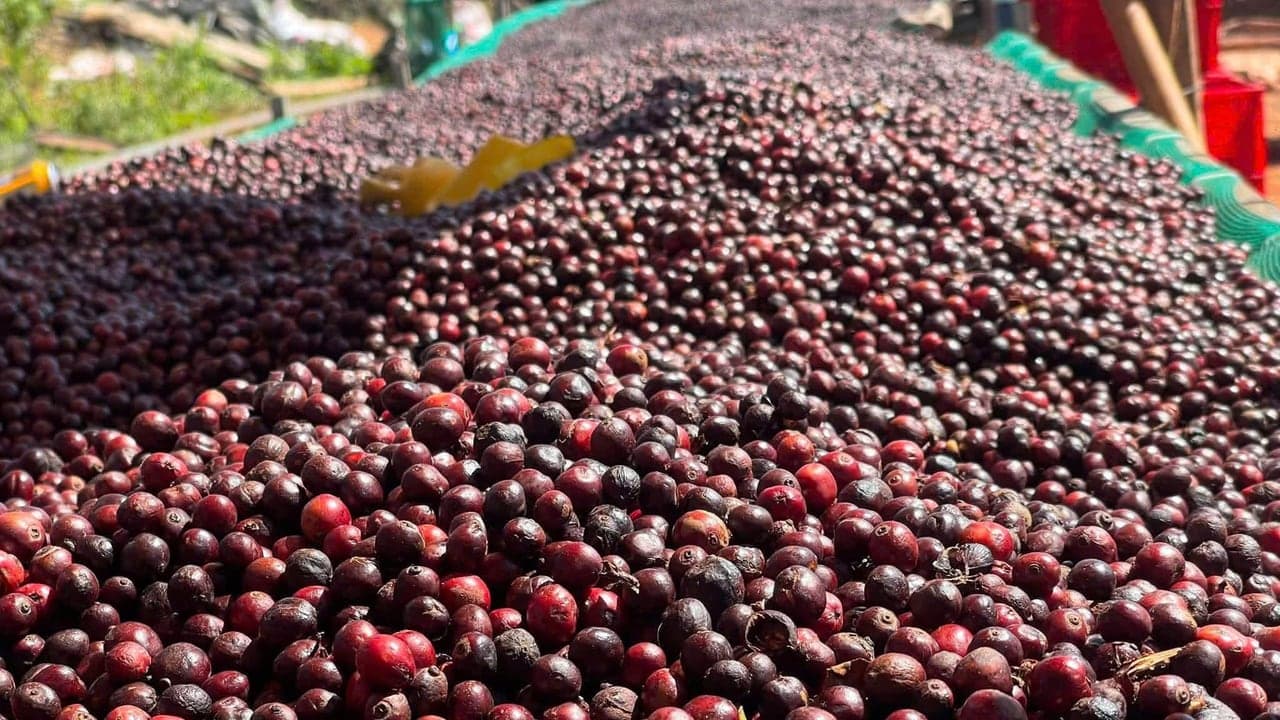
It usually costs more than mass-market coffee, because the cherries are picked ripe and processed and roasted more carefully. Brewing at home cuts the cost a lot compared with drinking at a café.