Flavour journey
What is Culi coffee? Why the round, single-seed bean is so loved in a phin
Culi is a round bean, the only seed in its cherry, about 5–7% of a harvest. How Culi forms, how it differs from an ordinary bean, and how to brew it.
QiFi··3 min read
Contents
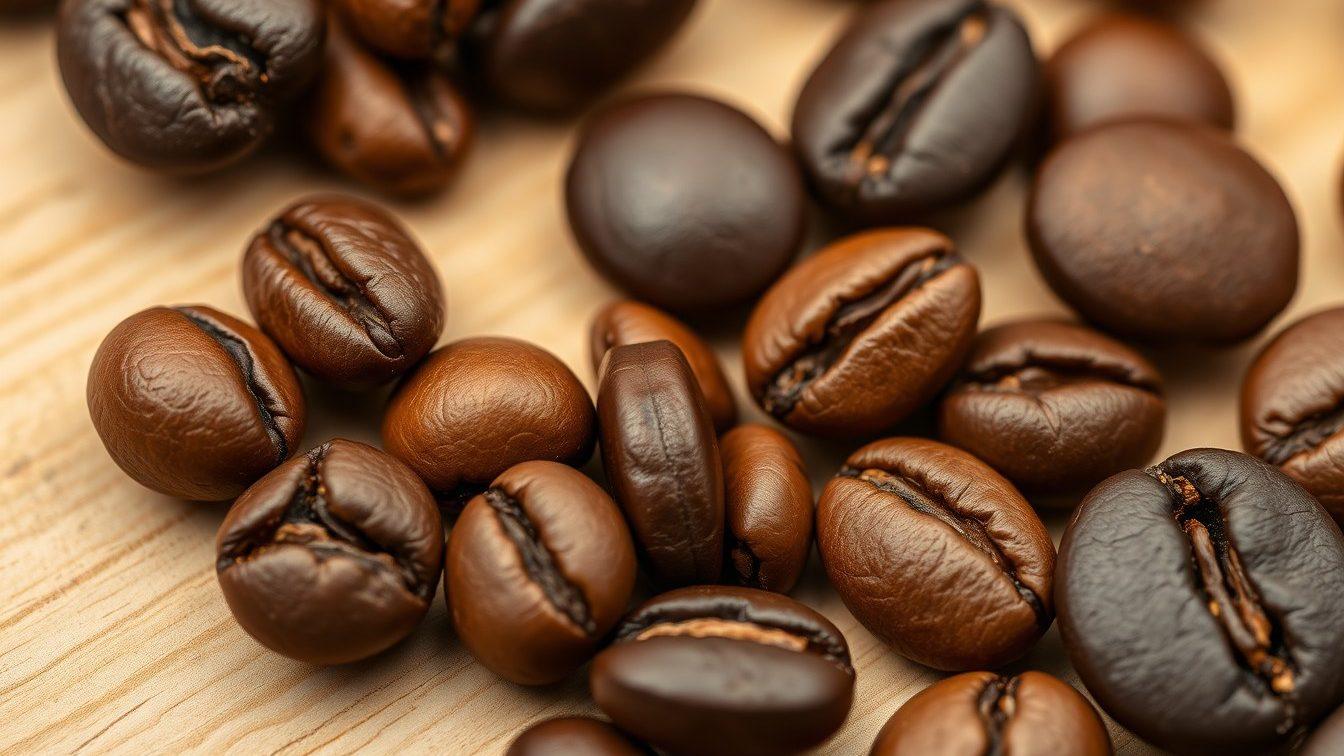
On a bag of GIAO HÒA or ĐỘC TÔN, Culi is part of every bag. So what is Culi, and is it a separate coffee variety? The short answer: Culi is not a variety of plant but a kind of bean: a coffee cherry that grows a single round seed instead of two flat seeds pressed against each other. In English this bean is called a peaberry.
How does Culi form?
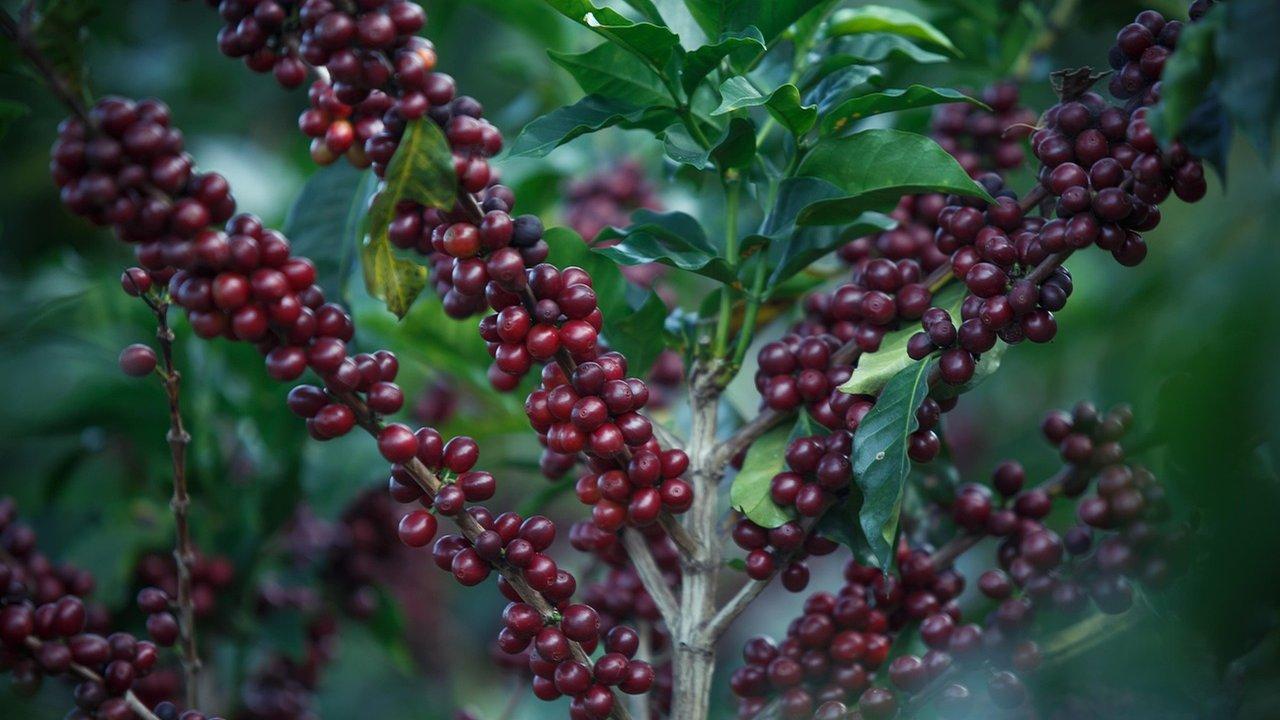
An ordinary coffee cherry has two seeds. They grow with their flat faces pressed together, which is why the familiar coffee bean has one flat side with a straight groove down the middle. According to a research poster by Cenicafé (Colombia) at Tropentag 2024, a Culi bean forms when only one of the two ovules in the cherry is pollinated and develops. That single seed has the whole cherry to itself, so it grows evenly round.
Cut a cherry in half and you see the difference: an ordinary cherry holds two half-round seeds face to face, while a Culi cherry holds one round seed filling the space.
How rare is Culi?
Not very common. A study in the Journal of Food Process Engineering (Duque Dussán et al., 2023) records Culi at about 5–7% of production; in other words, out of 100 beans picked, only about 6 are Culi. The share varies with the variety and the growing conditions: the Tropentag poster says some varieties in Ethiopia can reach 16%.
Because it is mixed through the whole harvest, Culi has to be sieved out separately after harvesting and processing. That is part of why Culi is often sold as a category of its own.
Does Culi taste better than ordinary beans?
The honest answer: not really. In Cenicafé's experiment, Culi dried faster than ordinary beans (15 hours against 18), but the cupping scores were almost the same: 81.77 for Culi and 81.97 for ordinary beans. That result comes from one experiment in Colombia; not every farm will be the same.
What Vietnamese coffee makers value in Culi lies elsewhere:
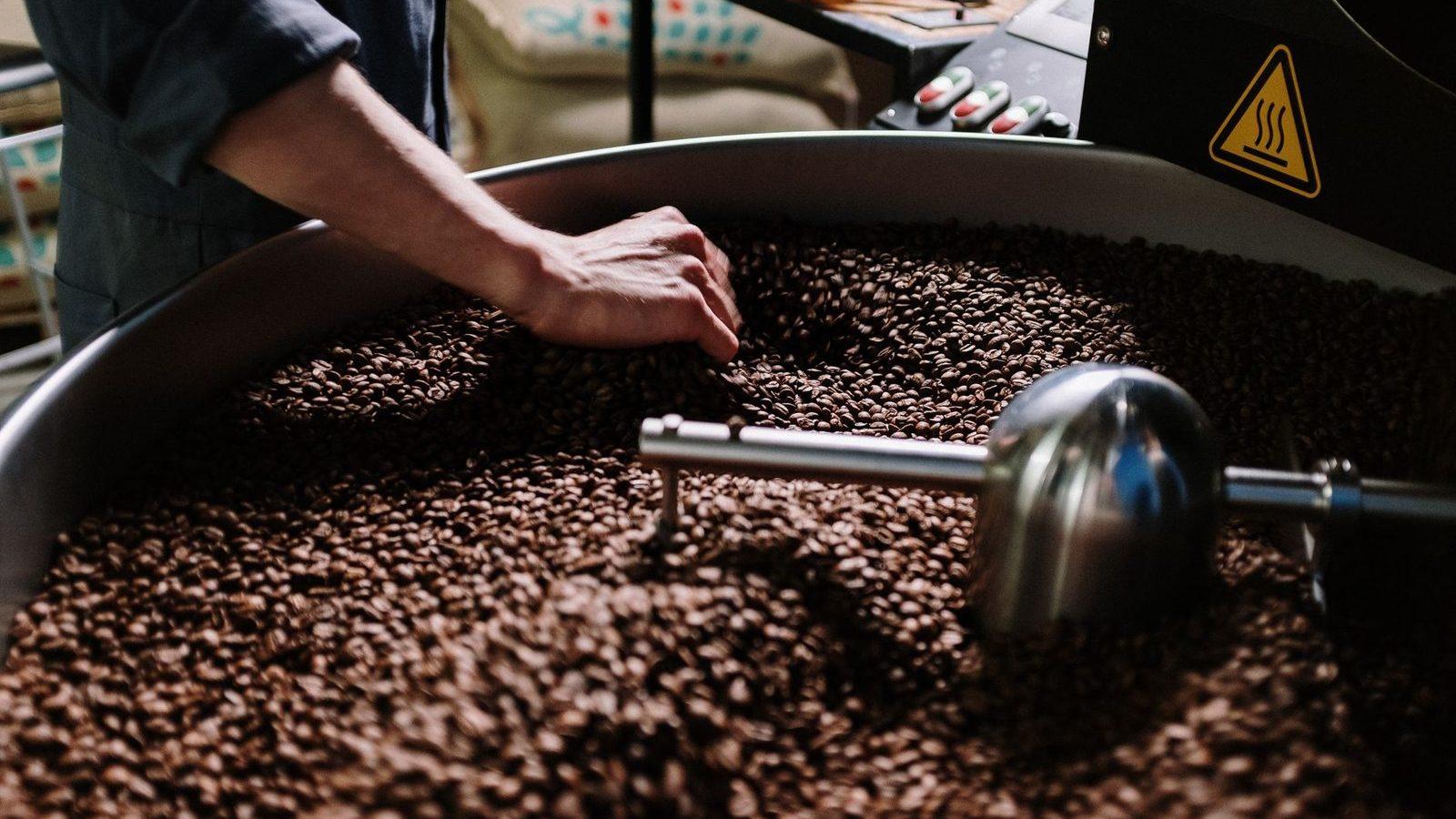
- Evenly round beans roast more evenly. They roll evenly in the roasting drum, with no flat side pressed against the wall.
- A full body and a round taste. Blended with Robusta, Culi gives a creamier, thicker phin cup, especially with milk.
How to brew coffee with Culi
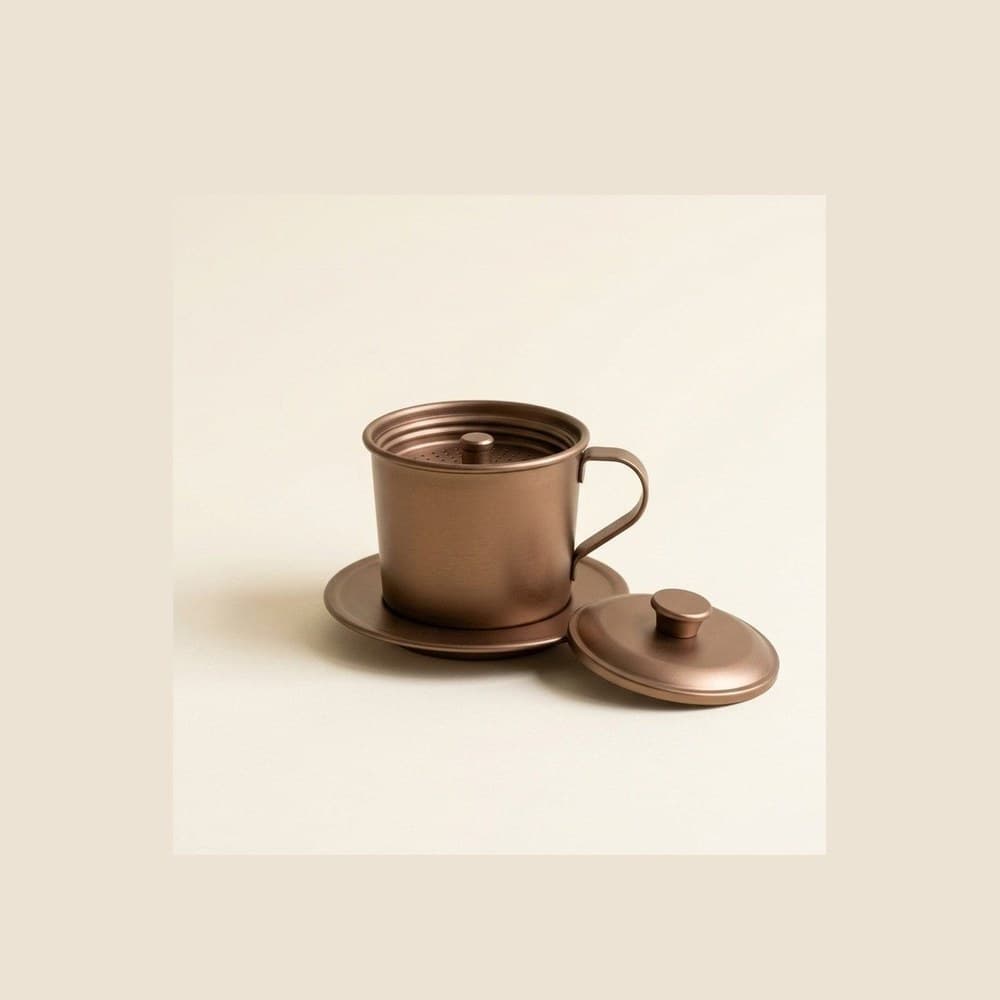
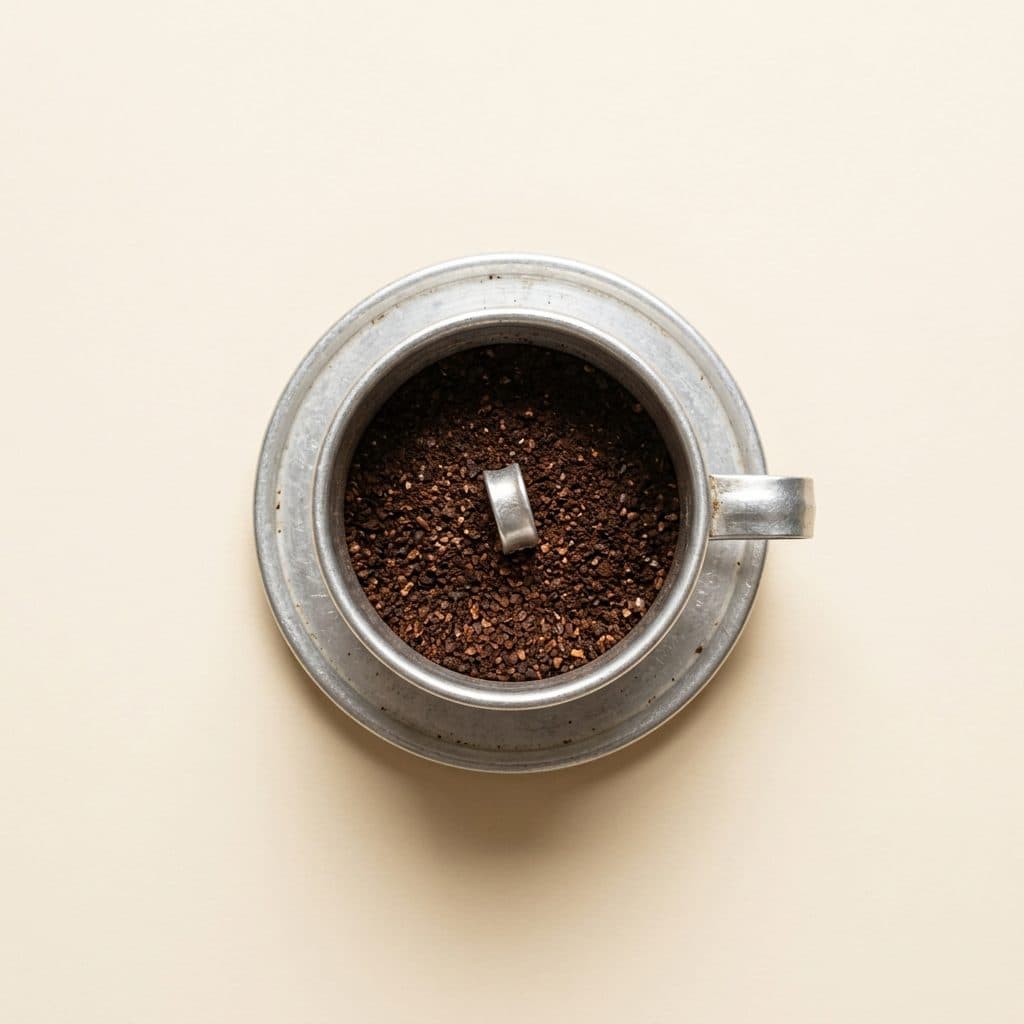
Brew a blend with Culi in a phin like any other coffee: 20g of phin-ground coffee, about 80ml of water at 92–96°C, dripping in 4–5 minutes, as in how to brew phin coffee properly. With GIAO HÒA, the two best matches are iced black phin coffee and iced milk coffee; with ĐỘC TÔN, try bạc xỉu, where the creaminess of Culi keeps a glass with little coffee clearly fragrant.
Telling real Culi
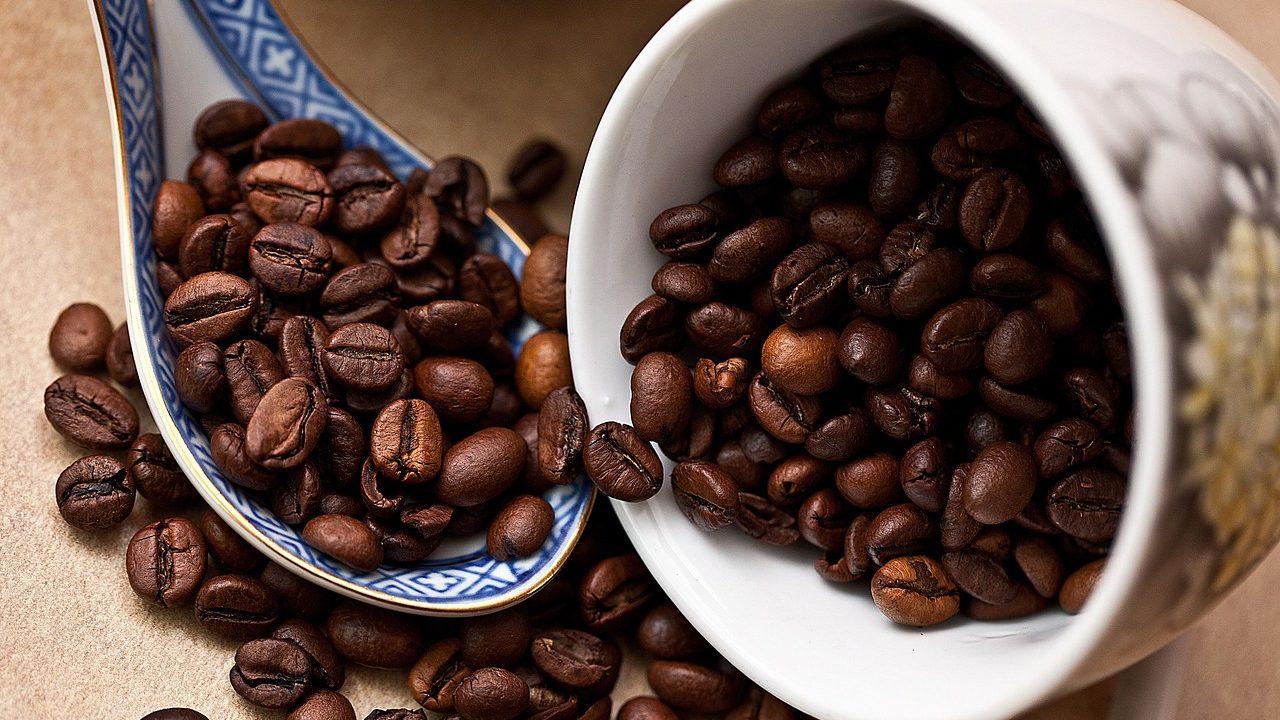
Buying whole beans is the easiest way: Culi beans are round or slightly oval, with no flat side. With ground coffee you can only rely on the ingredients on the bag and the seller's reputation. How to read the ingredients and check the paperwork is in fake coffee in 2026: how to buy safely.
Frequently asked questions
Is Culi Robusta or Arabica?
Both can produce Culi beans, because Culi is a kind of bean, not a variety. The Culi in QiFi's GIAO HÒA and ĐỘC TÔN makes up 20% of each bag.
Why is it called Culi?
It is the common name in the Vietnamese coffee world for peaberry beans. We have not found a reliable source on where the word comes from, so we do not make a claim here.
Does Culi coffee have more caffeine?
There is no clear evidence. The caffeine depends mainly on the type of bean (Robusta or Arabica) and the amount of coffee; see how much caffeine is in a cup of phin coffee.