Flavour journey
Robusta or Arabica, which tastes better? Bitterness, acidity, caffeine and finding your taste
Robusta or Arabica, which tastes better? Neither; one suits your taste better. Bitterness, acidity, caffeine and roast compared, and how to find yours.
QiFi··6 min read
Contents
Robusta or Arabica, which tastes better? The honest answer: neither tastes better; one just suits your taste better. Robusta is boldly bitter, high in caffeine and almost never sour; Arabica is fragrant, brightly acidic and lighter. If you do not yet know which side you are on, a cup blending the two, such as QiFi's ĐÁNH THỨC, Đắk Lắk Robusta and Cầu Đất Arabica, is the easiest place to start: still boldly bitter in the Vietnamese way, with a little bright acidity and caramel notes.
This article compares the two beans by how they taste in the cup, explains why they differ, then shows how to find your taste. Where Vietnam stands in the world market is in Vietnamese Robusta and Arabica compared with the world.
How do Robusta and Arabica differ?
| Robusta | Arabica | |
|---|---|---|
| Main taste | Boldly bitter, full body, dark chocolate | Bright acidity, fruity, floral notes |
| Acidity | Almost none | Clear, citrus or fruit-like |
| Caffeine (green bean) | 1.6–2.4% | 0.9–1.2% |
| Chlorogenic acids (green bean) | 7–10% | 5.5–8% |
| Fat (green bean) | 9–13% | 12–18% |
| Usual roast | Medium to dark | Light to medium |
| Best brewing | Phin, espresso; iced black, iced milk | Pour over, cold brew; drunk black |
| Main growing regions in Vietnam | Đắk Lắk and the Central Highlands | Cầu Đất (Lâm Đồng), Sơn La |
The composition figures come from the review by Olechno et al. (Foods, 2021), measured on green beans by dry weight. The same review says a cup of Robusta has about 1.4–1.8 times the caffeine of a cup of Arabica. The taste descriptions are how QiFi tastes the two beans roasted to its own levels.
Why is one boldly bitter and the other fragrant and bright?
The taste in the cup comes from three choices: the bean, the roast and the brewing. The bean sets the base; the other two push the cup one way or the other.
- The bean. Robusta has more chlorogenic acids, and the compounds these acids form during roasting are the main source of coffee's bitterness. According to research reported by ScienceDaily, caffeine accounts for only about 15% of the bitterness perceived. Đắk Lắk Robusta is the base taste of the Vietnamese phin cup. Arabica grown in highlands such as Cầu Đất gives a bright acidity and a light body.
- The roast. The same research concludes that roasting is the main factor creating bitterness: the darker the roast, the more of the harsher bitter compounds, especially in dark roasts and espresso. Acidity and fruity notes fade, and caramel and chocolate notes come forward. A light roast keeps more volatile aromas and natural acidity. See also the art of natural roasting.
- The brewing. A phin with a strong ratio, about 20g to 80ml of water, extracts for a long time and gives a bold, thick cup; see manual brewing ratios. A pour over through paper gives a clear cup with distinct layers of aroma; see why hand drip is so loved.
Boldly bitter does not mean "pitch black" either. A naturally roasted dark coffee is still a cockroach-wing brown, cleanly bitter with a sweet finish. An ink-black colour, a burnt bitterness and an odd buttery taste usually point to butter, flavourings or a burnt roast; see pure coffee or blended coffee.
Is Robusta sour?
Dark-roasted Robusta is almost never sour. Its main taste is bitter and bold, with a sweet finish. If your "Robusta" is sharply sour, it is usually because:
- The beans were under-roasted;
- It was under-extracted: the water was too cool, the grind too coarse, the water ran through the phin too fast;
- The coffee had been kept too long, lost its aroma and shows odd tastes.
How to brew a phin for a bold, round concentrate is in how to brew phin coffee properly. A pleasant bright acidity, like ripe fruit, is the hallmark of Arabica. Many people used to a boldly bitter iced black think their first Arabica is "coffee gone bad", but that is exactly what Arabica lovers look for.
Which is more expensive, Robusta or Arabica?
Arabica. On 14/10/2026, according to giacaphe.com, Robusta on the London exchange was 3,459 USD/tonne, while Arabica on the New York exchange came to about 6,450 USD/tonne, nearly double. Arabica plants need high, cool regions and yield less. More expensive does not mean it suits your cup better: an iced milk coffee brewed with 100% Arabica will have its taste swamped by the condensed milk.
Finding your taste
Choose by how you drink, not by the name of the bean. QiFi's coffees run from boldly bitter to fragrant and bright like this:
- ĐẬM (100% Robusta): boldly bitter, no sourness, for those who need to stay alert, drunk as iced black.
- NGUYÊN BẢN (Robusta and Arabica): traditional iced black and iced milk, with a little aroma.
- ĐÁNH THỨC: bold but more fragrant, a light bright acidity.
- GIAO HÒA (Robusta, Culi and Arabica): creamy, pairs with milk; for what Culi is, see what is Culi coffee.
- ĐỘC TÔN: the most layers of aroma among the blends.
- TỈNH (100% Cầu Đất Arabica): bright acidity, fruity, for pour over and cold brew.
Not sure which bag to start with? Find how you usually drink and the taste you like in the table below:
| You usually drink | Boldly bitter, no sourness | Bold, a little bright acidity | Fragrant, many layers of aroma |
|---|---|---|---|
| Black phin | ĐẬM (or NGUYÊN BẢN) | ĐÁNH THỨC (or NGUYÊN BẢN) | TỈNH (or ĐỘC TÔN) |
| Milk phin | GIAO HÒA (or NGUYÊN BẢN) | ĐÁNH THỨC (or GIAO HÒA) | ĐỘC TÔN (or GIAO HÒA) |
| Cold brew, pour over | ĐÁNH THỨC (or TỈNH) | TỈNH (or ĐÁNH THỨC) | TỈNH (or ĐỘC TÔN) |
It is a starting point, not an answer. To taste for yourself and be sure:
- Buy two opposite coffees, for example NGUYÊN BẢN and TỈNH.
- Brew them the same way, the same amount of grounds, the same water temperature, black with no sugar.
- Taste them side by side while still warm, and note what you like: bitterness, body, acidity, aroma.
- Move step by step towards the blend that sits between the two.
A more systematic way to taste is in cupping at home. Every QiFi coffee states its bean types and is naturally roasted, with no butter and no flavourings: see what is chuẩn mộc coffee.
Frequently asked questions
Is Robusta or Arabica better for your health?
The main difference is caffeine: Robusta has noticeably more. People sensitive to caffeine, who sleep badly or get palpitations, can choose a blend with more Arabica or drink less. The caffeine in a phin cup is in how much caffeine is in a cup of phin coffee.
Can Arabica be brewed in a phin?
Yes. Arabica in a phin gives a light, fragrant, less bitter cup. Grind a little finer and use water at about 92–94°C to extract enough.
How can I tell whether beans are Robusta or Arabica?
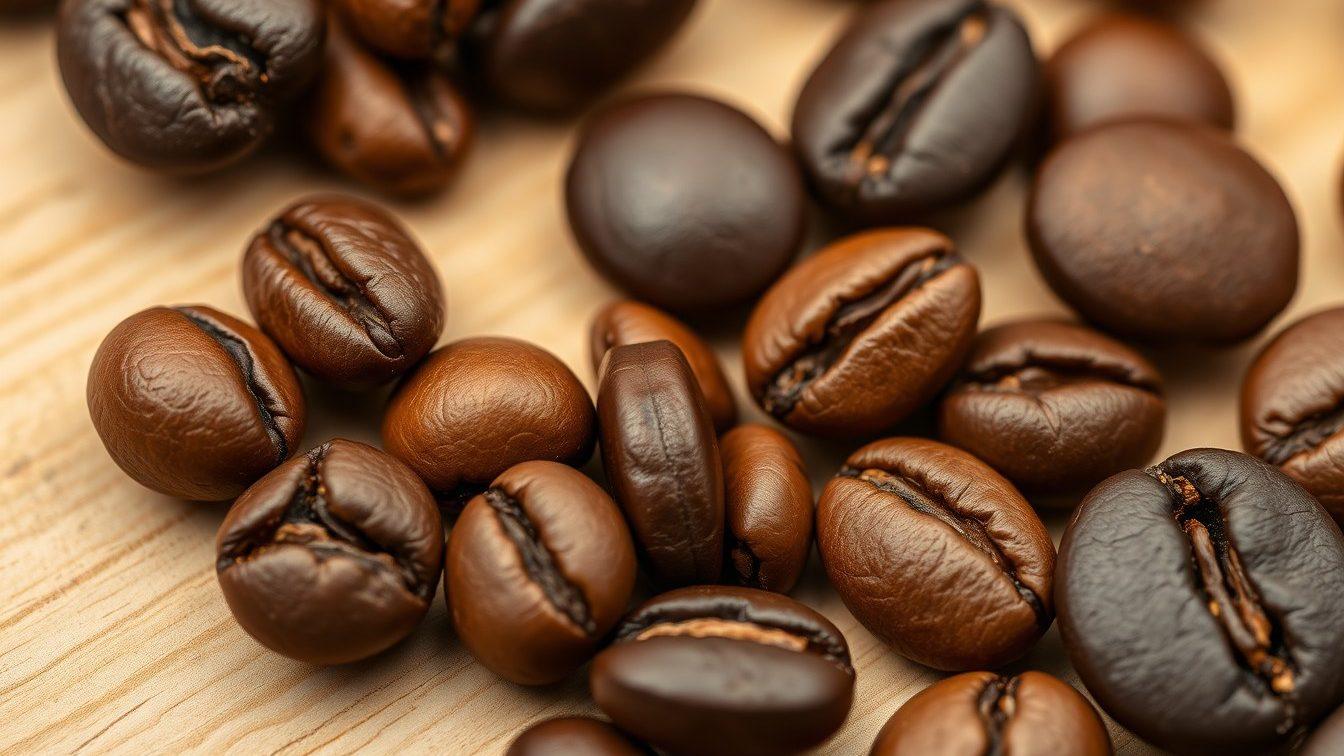
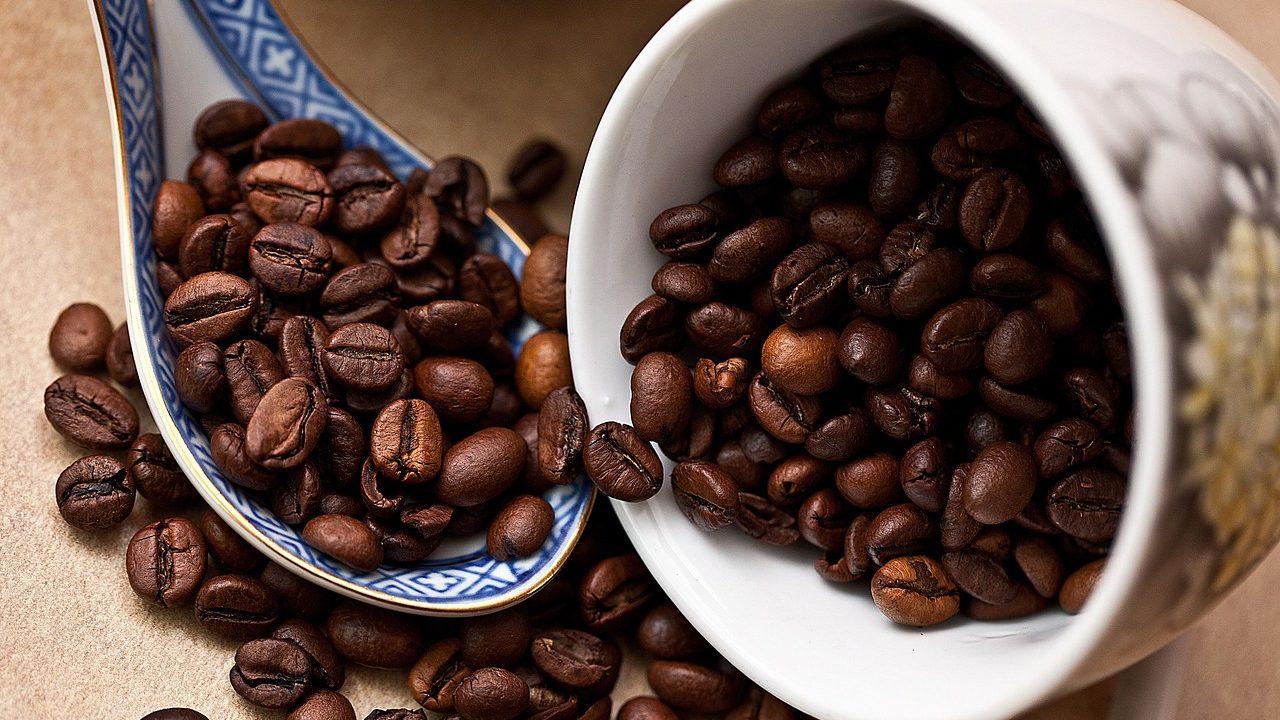
According to the roaster Dallmayr, Arabica beans are oval, slightly larger, with an S-shaped groove down the middle; Robusta beans are smaller and rounder, with a straight groove. The shape is only a guide, since beans also vary by region and screen size. The surest way is still to read the ingredients on the pack and buy from a seller who states the origin.