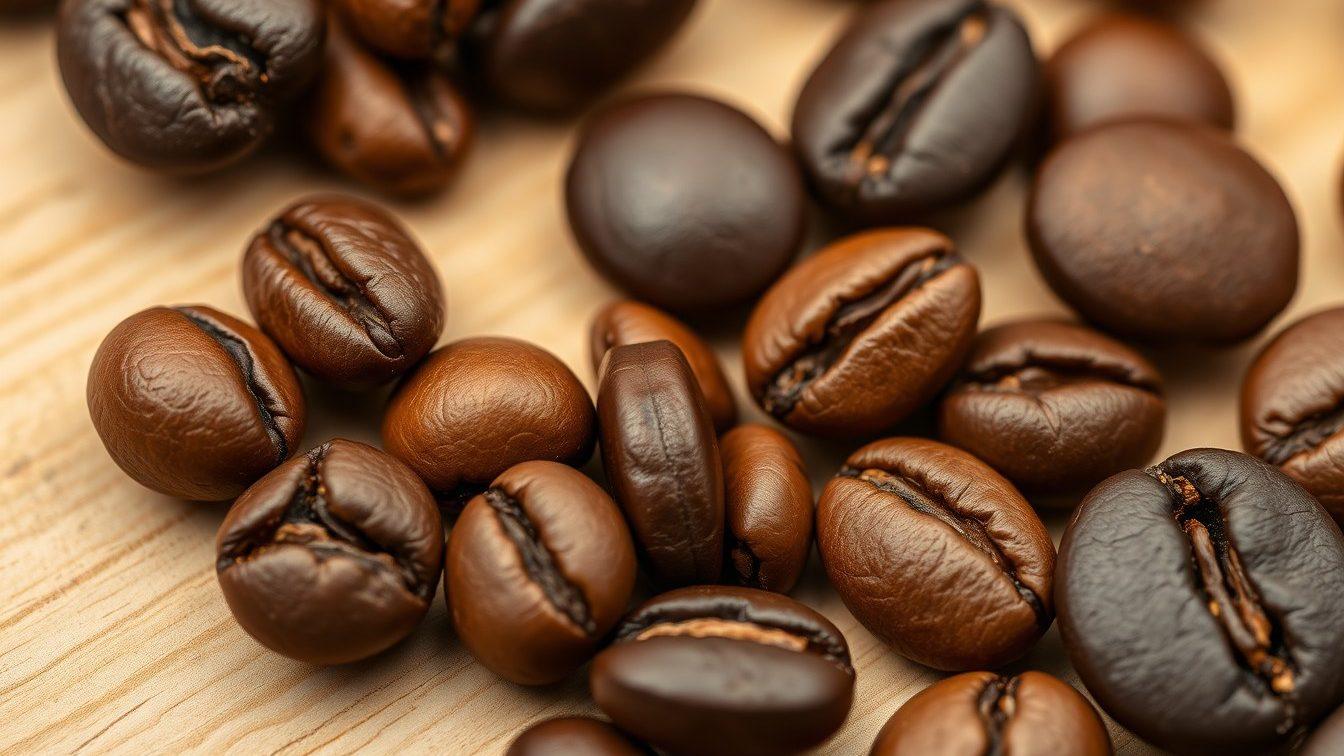
Flavour journey
A guide to tasting and cupping: the layers of aroma in natural-roast coffee
Cupping is how professionals taste coffee. A step-by-step guide to cupping at home to sense the aroma, acidity, sweetness, bitterness, body and finish.
QiFi··4 min read
Contents
You drink coffee every day, but have you ever really tasted it? Professionals have a ritual called cupping for evaluating coffee systematically. You can easily do it at home, and it is the quickest way to recognise the layers of aroma in naturally roasted coffee.
What is cupping?
Cupping is a standardised way of tasting coffee, used by buyers, roasters and baristas to compare beans. Every sample is brewed identically, with the same amount of coffee, the same grind, the same water temperature and the same time, so that the only difference is the bean.
You need no expensive equipment and no "expert palate". Only attention.
What you need
- 2–3 different coffees to compare. For example: TỈNH (100% Arabica), ĐỘC TÔN and NGUYÊN BẢN.
- Identical cups or bowls, about 150–200ml each.
- A scale, a kettle of hot water, and a grinder (if you use whole beans).
- A spoon (a round soup spoon is fine) and a glass of clean water to rinse it.
- Pen and paper for notes.
The standard cupping ratio: under the SCA standard, about 8.25g of coffee to 150ml of water, ground fairly coarse (like coarse sand), with water at about 92–94°C (Royal Coffee). For Robusta, the CQI Robusta cupping protocol uses 8.75g to 150ml (ICO).
The cupping steps
Step 1: Smell the dry grounds (fragrance)
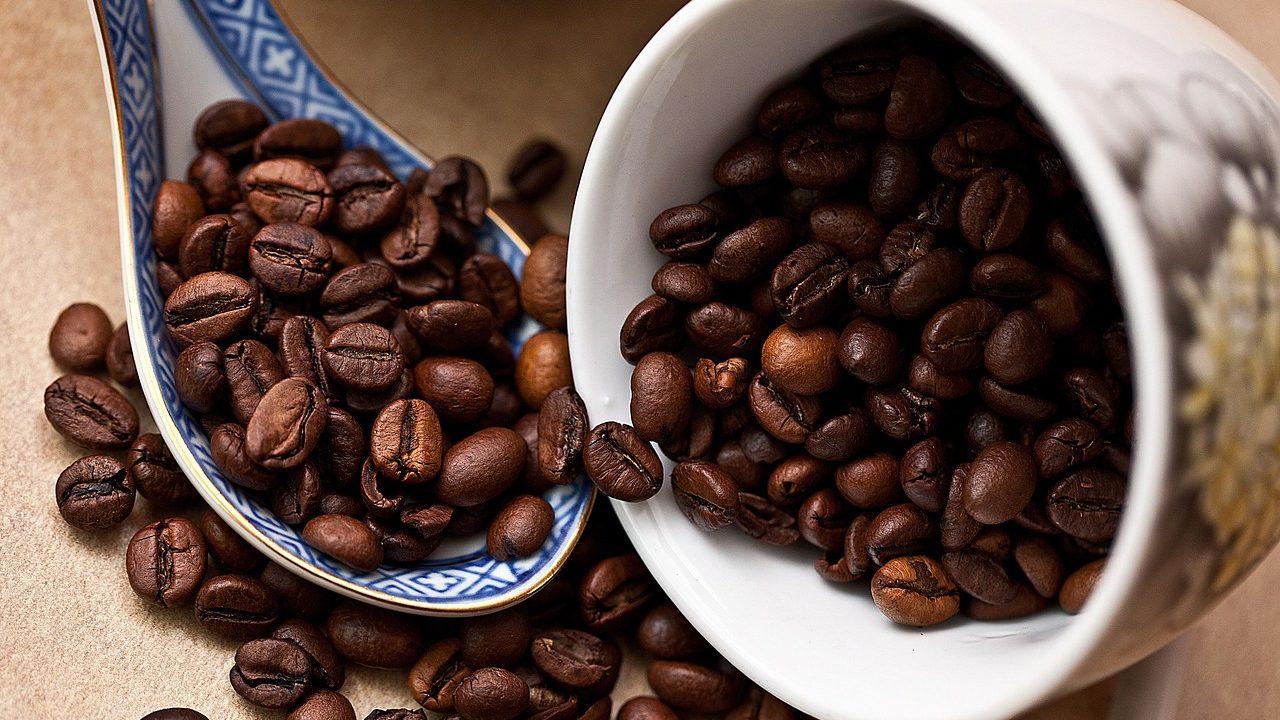
Grind the coffee and put it in the cup. Bring your nose close to the rim and breathe in deeply. Note your first impression: roasted nuts, chocolate, caramel, fruit, flowers, wood?
Step 2: Pour the water and wait
Fill the cup with hot water, making sure all the grounds are wet. Set a timer for 4 minutes. A layer of grounds will float to the top: this is the "crust".
Step 3: Break the crust and smell (aroma)
At 4 minutes, stir gently three times with the spoon to break the crust, leaning in close to smell at the same time. This is when the aroma is at its strongest. Then skim off the foam and floating grounds.
Step 4: Taste with a loud slurp
Wait a few more minutes for it to cool (about 8–10 minutes after pouring). Take a spoonful and slurp hard: a loud slurp is correct. It sprays the coffee across your tongue and carries the aroma up to your nose.
Step 5: Taste again as it cools
Coffee changes as it cools. Taste again after 5 and 10 minutes. Good beans usually get sweeter as they cool; flawed beans show their defects more clearly.
What to taste for: six basic criteria
| Criterion | The question to ask |
|---|---|
| Aroma | What does it smell of? Clear or faint? |
| Acidity | Bright like orange or apple, or sharp? |
| Sweetness | Is there sweetness like brown sugar or honey? |
| Bitterness | A clean bitterness, or burnt and astringent? |
| Body | Light like tea or thick like milk? |
| Aftertaste | How long does it linger? Is it pleasant? |
The layers of aroma in natural-roast coffee
Without butter or flavourings, everything you taste comes from the bean and the roast:
- Naturally roasted Robusta: bold but clean bitterness, heavy body, a finish of dark chocolate and roasted nuts, sometimes hints of wood and earth.
- Naturally roasted Arabica: bright acidity, fruity aromas (orange, plum, berries), sometimes floral notes, a light body.
- Culi: a round single-seed bean; QiFi adds Culi to its blends for extra body.
In coffee coated with butter or flavourings, these layers are masked by the buttery taste and an aroma "layered on top", which is why cupping natural coffee makes the differences easy to notice. Read more: what is natural-roast coffee?
Tips for beginners
- Comparing is always easier than tasting alone. Put two coffees side by side and the differences stand out.
- Use your own words. "Like toast", "like orange peel": no jargon needed.
- Train your palate with food: orange, lime, dark chocolate, honey, roasted chestnuts.
- Do not taste right after spicy or salty food, or just after brushing your teeth.
From cupping to your daily cup
Cupping helps you understand the beans; then choose a brewing method that brings out what you like. Like bright acidity and fruity aromas? Try an Arabica pour-over: see why coffee lovers swear by hand drip. Prefer bold, clean bitterness? A Robusta phin is the choice.
Frequently asked questions
Do you have to spit the coffee out when cupping?
Professionals often spit so they can taste many samples without taking in too much caffeine. At home, with 2–3 samples, you can swallow if you like.
Why does coffee taste better once it has cooled a little?
Each temperature brings out a different kind of taste. In a study by Steen et al. (2017), coffee at 50–62°C tasted more roasted and bitter, while at 31–44°C the sourness and sweetness came through more. So taste it again a few times as it cools.