Flavour journey
The flavour journey: from Vietnam's growing regions to a cup of natural-roast coffee
A cup of natural-roast coffee passes through the growing region, the harvest, the drying yard, the roaster and your hands. What does each stage add?
QiFi··3 min read
Contents
You take a sip of coffee: a light bitterness, then a sweet finish, a hint of chocolate or fruit. None of those layers happens by chance. They are built over five stages: the growing region, the harvest, processing, roasting and brewing. This article follows the coffee bean through each one.
Stage 1: The growing region, where flavour begins
The variety, altitude, soil and climate decide the bean's "raw material".
Dak Lak Robusta
Dak Lak has the largest coffee area in Vietnam, most of it Robusta grown on red basalt soil, mostly at about 300–500 m (FAO). Robusta gives a strong bitterness and full body, plenty of caffeine, and a finish that recalls dark chocolate and roasted nuts. It is the base of the Vietnamese phin cup. QiFi has had a farm in Eahleo, Dak Lak since 2020.
Cau Dat Arabica
According to Nhân Dân, Cau Dat (Lam Dong) lies at an average altitude of about 1,500 m, with temperatures of about 15–20 °C all year, which suits the slow-growing, cool-loving Arabica plant. Cherries that ripen slowly often give a more complex flavour. Cau Dat Arabica has a bright acidity, fruity and floral aromas and a light body, like QiFi's TỈNH.
Culi, a special bean
Culi (peaberry) is a round coffee bean, a single seed in the cherry. Culi is sorted out separately and usually gives a distinctive strong, aromatic taste; it goes into blends such as GIAO HÒA and ĐỘC TÔN.
Stage 2: The harvest, ripe or green?
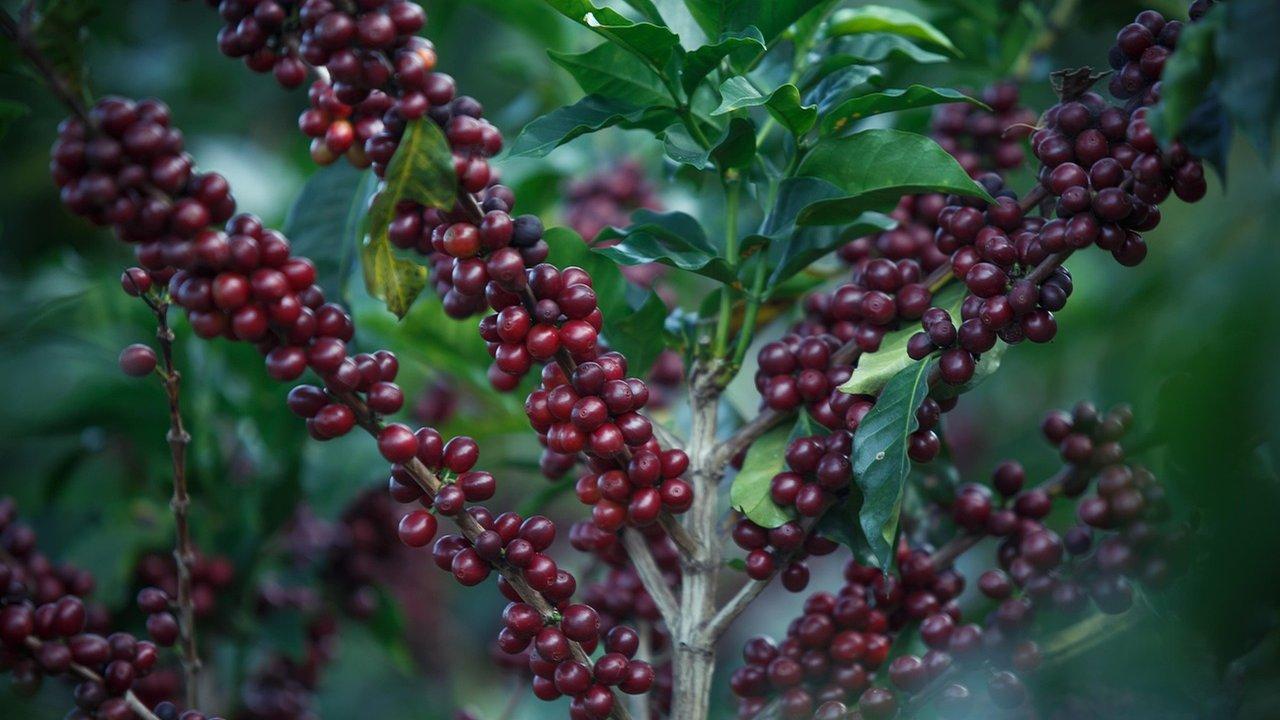
Red, ripe cherries carry enough sugar; green ones taste astringent and grassy. Picking only ripe cherries takes many times the work of strip picking, but it is the foundation of a sweet finish. Read about this year's season: the 2026 Dak Lak coffee harvest.
Stage 3: Processing, the grower's signature
After picking, the cherries are processed in one of three main ways:
- Natural: the whole cherry is dried, giving a rich sweetness and ripe-fruit aromas.
- Honey: the skin is removed and part of the fruit is left on during drying: sweet, yet clean.
- Washed: the skin is removed, the beans fermented and the mucilage washed off: clear, bright, with distinct acidity.
The beans are dried to about 11–12% moisture (NCA, FAO), hulled into green beans, and left to "rest" before roasting.
Stage 4: Roasting, waking the flavour
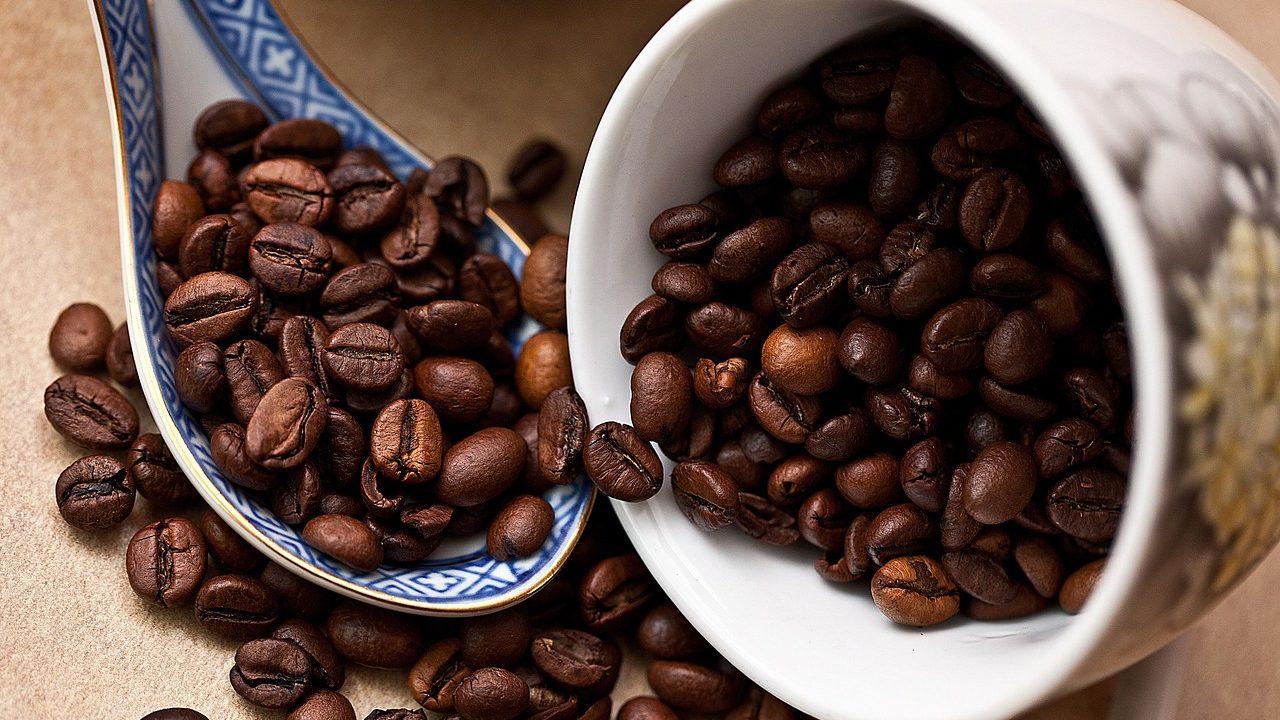
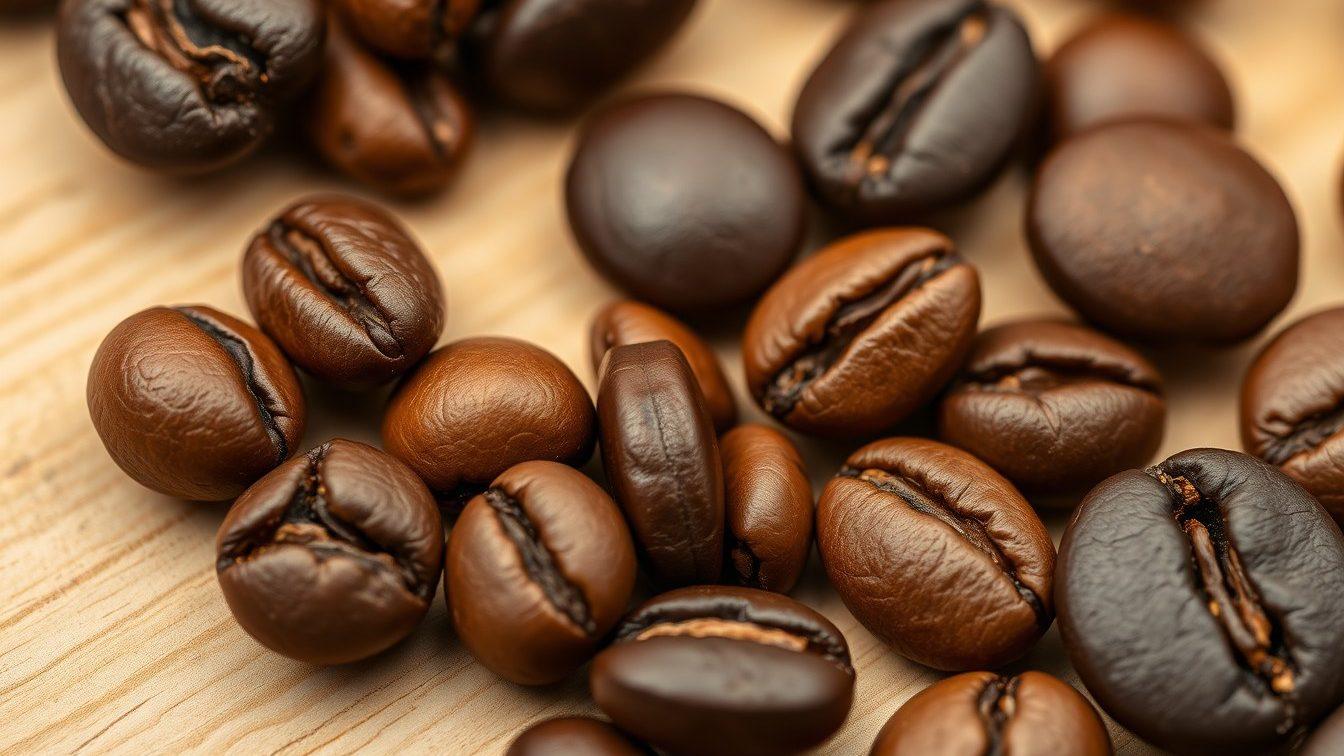
Green beans barely smell of coffee. It is the heat of the roaster that turns sugars and amino acids into hundreds of aromatic compounds. A light roast keeps more acidity and fruit; a dark roast raises the bitterness, the body and the chocolate and caramel notes.
A natural roast, with heat alone and no butter or flavourings, is the way to keep the taste of the bean, the region and the grower intact. Learn more in the art of natural roasting.
Stage 5: Brewing, the last stage, in your hands
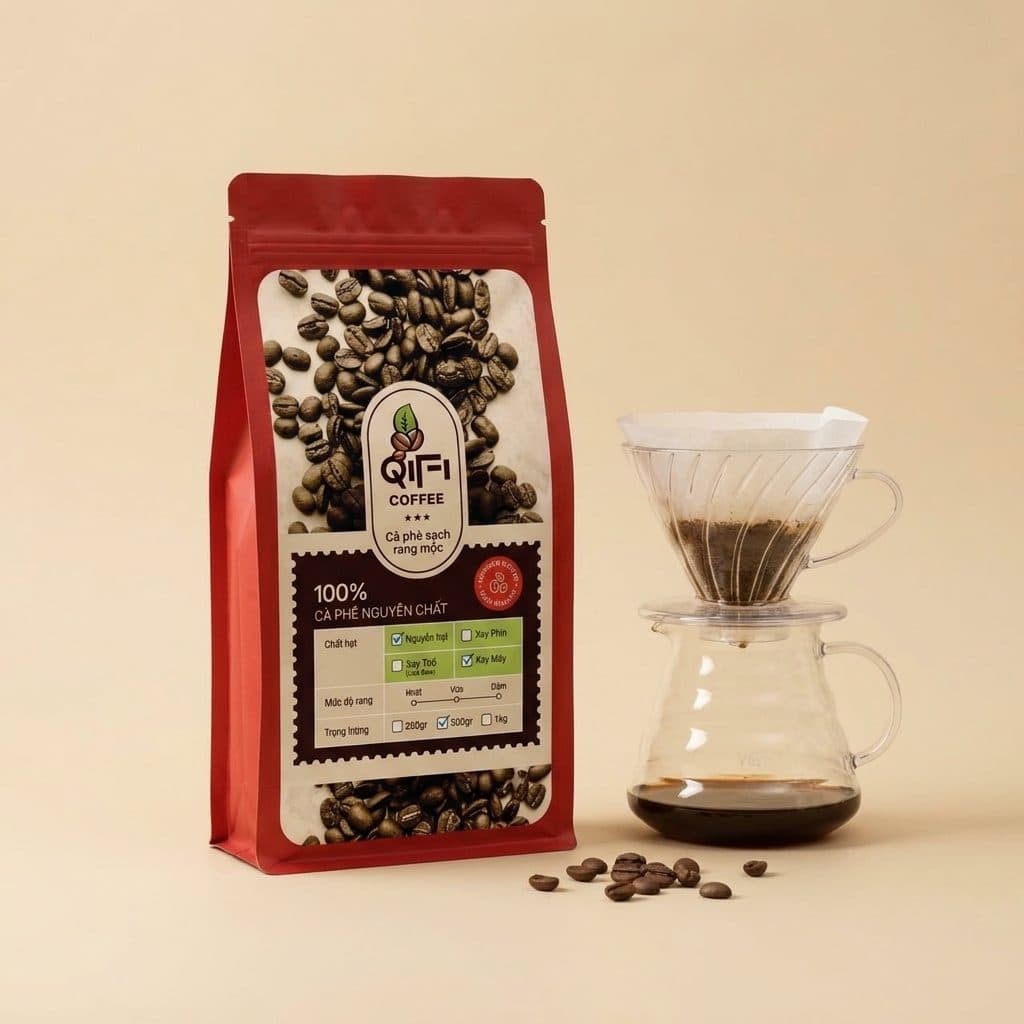
From the same batch of beans, a phin makes a strong, thick cup; a pour-over a clear cup with layers of aroma; a cold brew a smooth, sweet one. The ratio, the water temperature, the grind and the time decide how much of that journey you draw out. See how to brew coffee by hand like a barista at home.
One cup, many places
QiFi's blends bring several flavour regions together:
| Product | Blend | Main character |
|---|---|---|
| NGUYÊN BẢN | Robusta and Arabica | Strong, clean bitterness, sweet finish |
| ĐÁNH THỨC | Robusta and Arabica | Strong, more aromatic |
| GIAO HÒA | Robusta, Culi and Arabica | Balanced, with the aroma of Culi |
| ĐỘC TÔN | Robusta, Culi and Arabica | Many layers of aroma |
| TỈNH | 100% Cau Dat Arabica | Bright acidity, fruity |
Frequently asked questions
Why is Arabica more expensive than Robusta?
Arabica needs high altitude and a cool climate, is more prone to pests and diseases and yields less than Robusta, so it costs more to grow.
Does coffee have "terroir" like wine?
Yes. Soil, altitude, climate and processing give each region its own character, which is why specialty coffee always states where the beans come from.