Home brewing
5 mistakes when brewing coffee by hand that cost you up to 80% of the aroma
Stale pre-ground coffee, boiling water, a packed phin, no scale and poor storage: 5 common hand-brewing mistakes that rob your cup of aroma, and fixes.
QiFi··6 min read
Contents
You bought a bag of good coffee, but the cup you make at home comes out burnt and bitter, sharply sour or flat? You are very likely making one of the five mistakes below.
The "80%" in the title is not just a figure of speech. A 2024 study from Brno University of Technology in the Czech Republic stored ground roasted coffee for 30 days, opening and closing the package repeatedly the way people do at home. The result: whatever the packaging, the coffee lost 35–45% of its aroma compounds; kept in a paper sachet, it lost more than 80%. And that is only the first mistake.
The five mistakes in one table
| Mistake | What happens in the cup | Quick fix |
|---|---|---|
| Old pre-ground coffee | Little aroma, flat bitterness | Grind just before brewing, or finish a bag within 2–3 weeks |
| Rolling-boil water | Harsh bitterness, especially with dark roasts | Boil, then rest for 30–60 seconds |
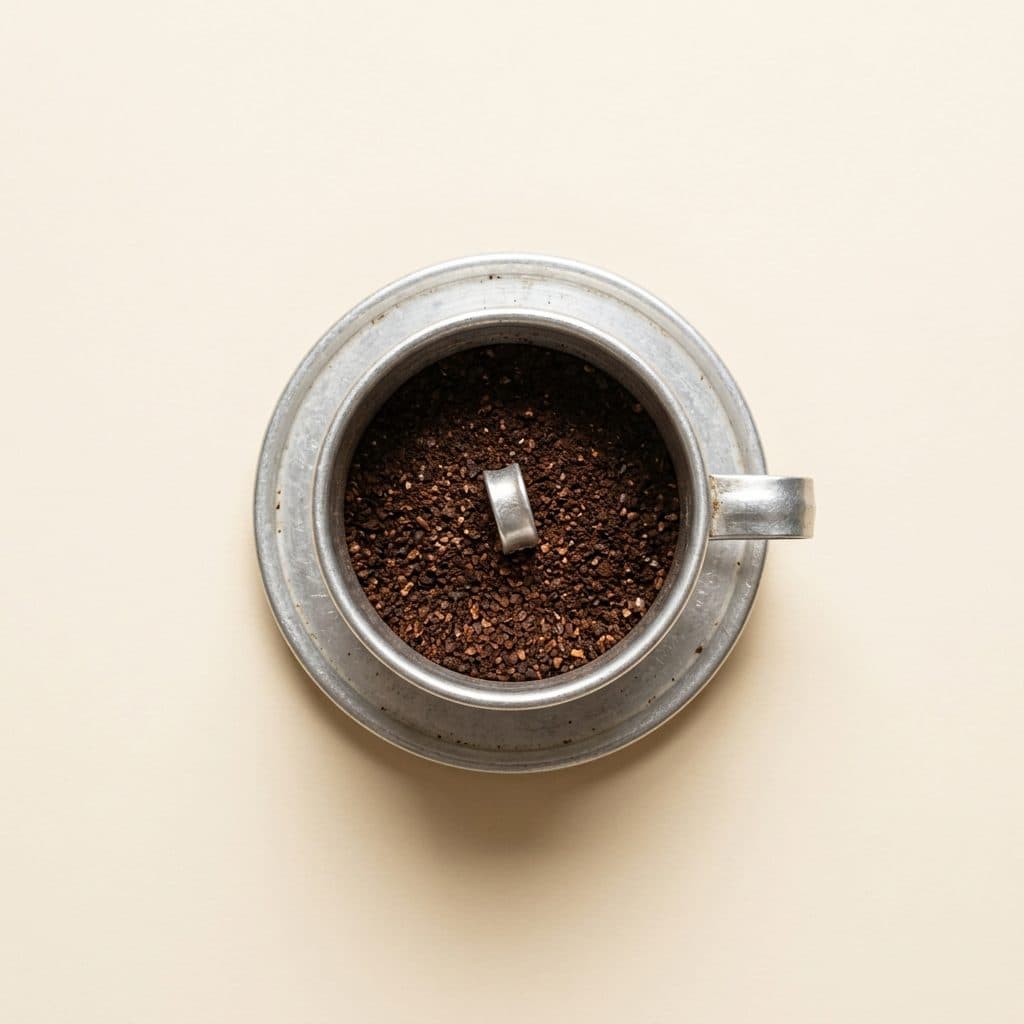
| Phin packed tight, grind too fine | Very slow drip, harsh and drying | Press lightly, grind medium-coarse |
| No bloom, no scale | Uneven extraction, every cup different | Bloom about 2 minutes for a phin, 30–45 seconds for pour-over; use a scale |
| Poor storage | Beans lose aroma fast, pick up odd smells | Airtight jar, cool dry place, split into portions |
Mistake 1: Using pre-ground coffee that has sat too long
Grinding multiplies the beans' surface area, and the volatile aroma compounds escape very quickly. Each time you open the bag, fresh air comes in and carries away a little more. That is why the Brno study found that good packaging cannot save coffee once it has been opened: the 35–45% loss happened in every type of packaging they tested.
The result is that many people think their coffee is "weak", add more grounds and steep longer, and end up with a cup that is bitter and still not fragrant.
How to fix it:
- If you can, buy whole beans and grind just before brewing.
- If you buy ground coffee, choose a small bag and finish it within 2–3 weeks of opening.
- Do not tip the coffee into a paper bag or an open tin. Keep it in a valved zip bag or an airtight jar, and squeeze out the air after each use.
Mistake 2: Pouring 100°C boiling water
Water at a rolling boil extracts very fast. With dark-roasted beans or a long phin steep, it easily pulls out harsh compounds before you notice.
The good news is that you do not need to watch every degree. A 2020 University of California, Davis study had tasters try coffee brewed at 87°C, 90°C and 93°C and found that, when strength and extraction were the same, temperature made almost no difference to the taste. What to avoid are the two extremes: water at a rolling boil, or water that has gone cold.
How to fix it: bring the water to the boil, then let it rest for 30–60 seconds to about 92–96°C. Use the lower end for dark roasts and the higher end for light-roasted Arabica.
Mistake 3: Packing the phin too tightly (or grinding too fine)
Many people think a tight pack makes stronger coffee. In fact, packing too tightly or grinding too fine stops the water from flowing, so the grounds steep too long and over-extract: the coffee turns harsh and drying. The opposite, a grind too coarse or no press at all, lets the water rush through, and the coffee comes out sour and thin.
How to fix it:
- Grind medium-coarse for a phin and medium for pour-over.
- Press the disc lightly, just enough to level the grounds.
- Watch the time: 4–5 minutes for a phin, about 3 minutes for pour-over. Faster than that, grind finer; slower, grind coarser.
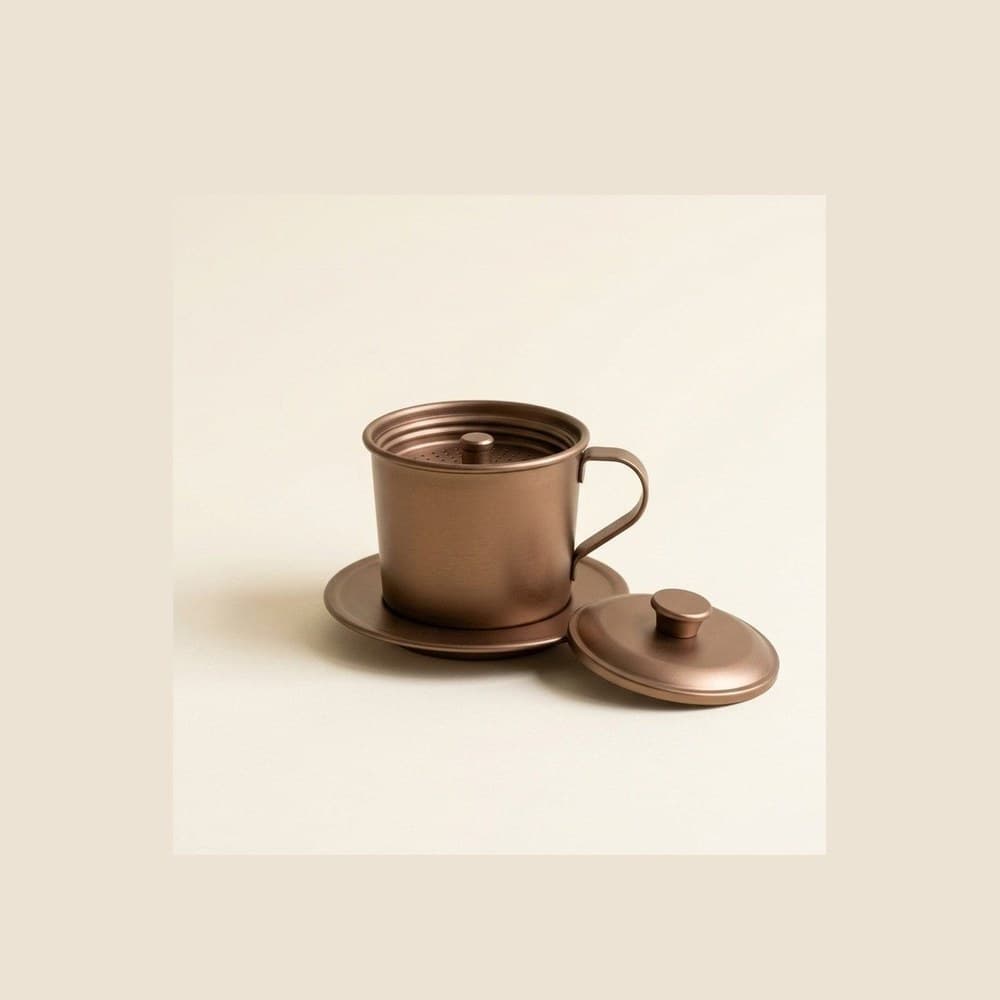
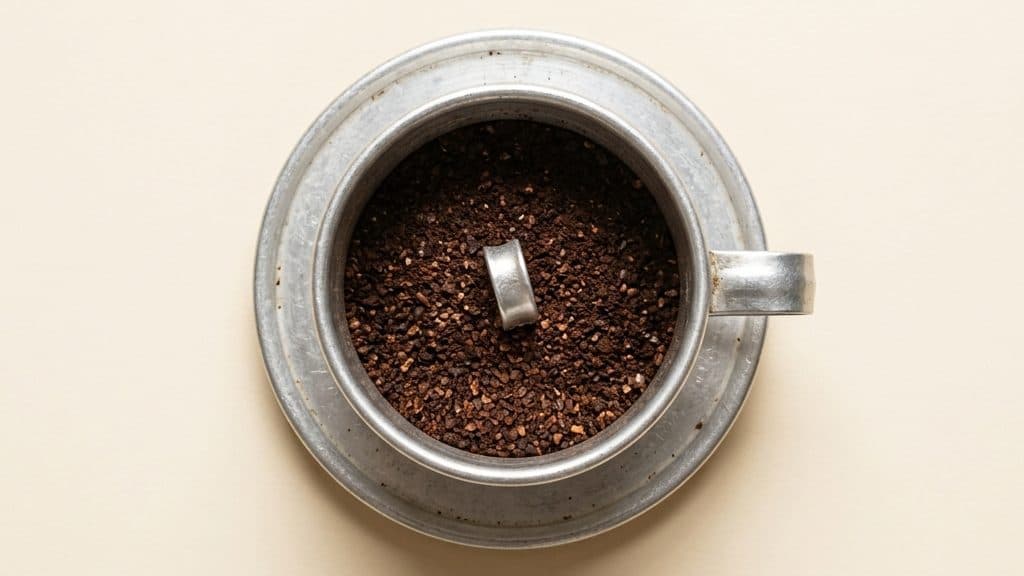
A phin with evenly made holes, such as the QiFi aluminium phin, keeps the drip rate steady from one brew to the next, so you can tell whether a problem comes from the grind or from your press.
Mistake 4: Skipping the bloom and guessing the ratio
Skipping the bloom, pouring a little water so the grounds swell and waiting (about 2 minutes for a phin, 30–45 seconds for pour-over), lets the CO₂ still in the grounds push the water away, so extraction is uneven: some parts over-extract, others never get there. The fresher the roast, the more gas in the grounds and the more the bloom matters.
Guessing the amount of coffee by eye makes every cup different. A spoonful of dark-roasted beans weighs less than one of light-roasted beans, so "three spoons" today is not the same as "three spoons" yesterday.
How to fix it:
- Always bloom the grounds before the main pour.
- Use a scale. Phin: about 20g of coffee to 80ml of water. Pour-over: 1:16. Cold brew: 100g to 1 litre, steeped for 12 hours.
Why the ratio decides strength while the grind decides sourness or bitterness is explained in the coffee-to-water ratio guide.
Mistake 5: Storing coffee the wrong way
Sunlight, humidity, heat and air are coffee's four enemies. Leaving an open bag next to the stove, or keeping coffee in the fridge and taking it in and out (water condenses on the cold grounds), both make the beans lose their aroma quickly and pick up food smells.
How to fix it:
- Keep coffee in a bag with a one-way valve or an airtight jar, in a cool, dry place out of the sun.
- Do not keep it in the fridge if you use it every day.
- If you buy a lot, split it into portions and open one at a time: every opening lets aroma escape.
A cause that is not your fault: bean quality
Sometimes you do everything right and the coffee still tastes burnt and bitter, ink-black and "over-fragrant". That is usually a sign of coffee coated in butter or flavourings, or bulked with soybeans or corn, added to hide poor beans. No brewing technique can rescue that coffee. How to tell by eye and by smell is in pure coffee or blended street-café coffee.
Pure, naturally roasted coffee such as NGUYÊN BẢN gives you a clean base: a reddish-brown brew, a clean bitterness and a sweet finish. Brew it right and you will clearly taste the difference.
A quick checklist before every brew
- Is the coffee freshly ground or from a freshly opened bag?
- Has the water rested 30–60 seconds after boiling?
- Have you weighed the coffee and the water?
- Did you bloom long enough (2 minutes for a phin, 30–45 seconds for pour-over)?
- Is the brew time in the standard range?
For the whole process, read how to brew coffee by hand like a barista at home. If your kit is missing something, the tools for brewing coffee by hand lists them in the order worth buying.
Frequently asked questions
Why does my phin drip so slowly?
Usually because the grind is too fine, the press is too tight, or there is too much coffee. Try pressing more lightly first, and only then change the grind.
How long does ground coffee keep after opening?
There is no hard limit, but the aroma drops noticeably within a few weeks. The Brno study measured a 35–45% loss of aroma compounds after 30 days whatever the packaging. So choose a bag size you will finish in 2–3 weeks.
Can I wash a phin with soap?
Yes, a little mild dish soap is fine, then rinse very thoroughly with hot water so no smell remains. Most important is to wash off the coffee oil left behind, because old oil turns rancid and gives the next cup an off taste.