Home brewing
What is coffee tonic? How to make it at home with a phin
Coffee tonic is ice, fizzy tonic water and strong coffee poured slowly on top. How to make it at home with a phin brew or cold brew, no espresso machine.
QiFi··5 min read
Contents
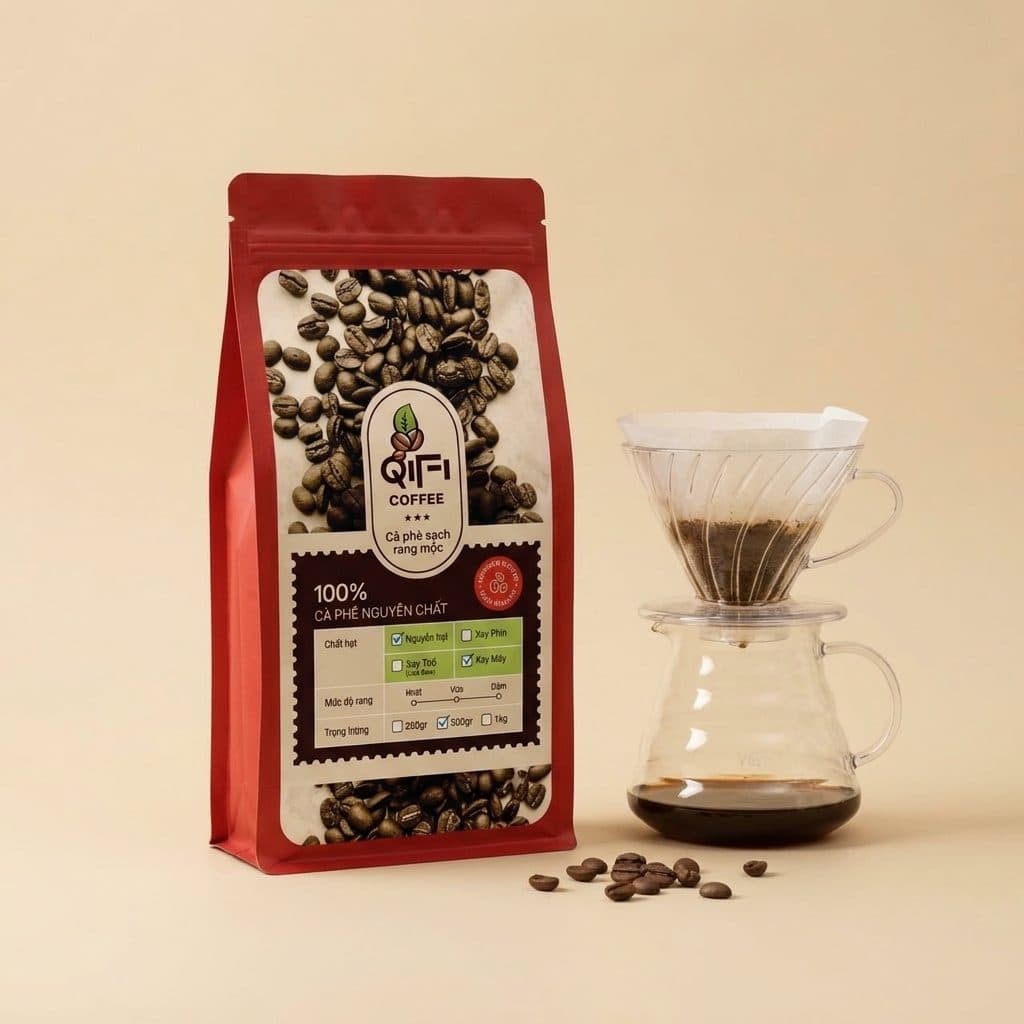
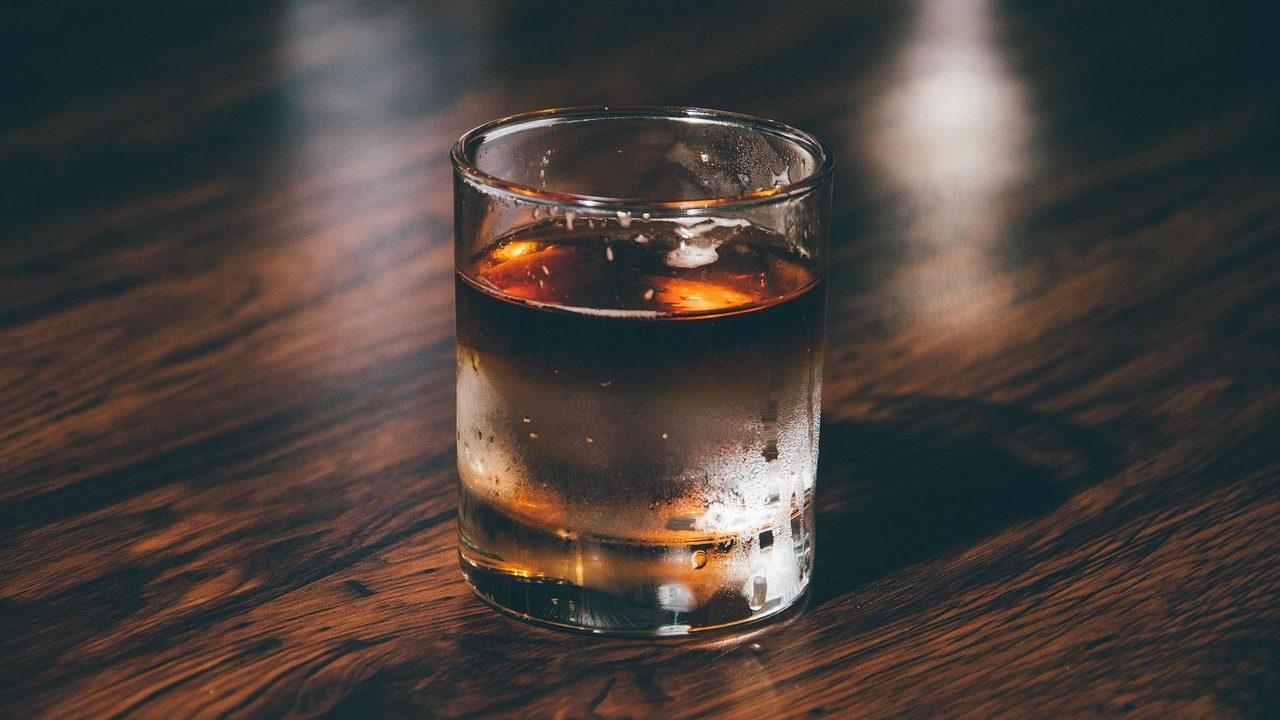
Coffee tonic (espresso tonic) is a glass of ice, fizzy tonic water, and strong coffee poured very slowly on top. It sits in two layers: clear tonic below, dark coffee above. It drinks cool and gently fizzy, the bitterness of the coffee meeting the light sweetness and bitterness of the tonic. In a café the coffee is a shot of espresso; at home, a cooled phin of ĐÁNH THỨC does the job without a machine.
Below: where coffee tonic comes from, the amounts for one glass, four steps, a few twists and the usual mistakes.
What is coffee tonic, and where does it come from?
According to Perfect Daily Grind, the drink became widely known through Koppi Roasters in Helsingborg, Sweden. Anne Lunell, who co-founded Koppi in 2007, first had it in Oslo, when a colleague made one on a hot summer day. From Koppi's bar, espresso and tonic spread to speciality cafés around the world.
The recipe Anne gives is simple: a low glass full of ice, about 200ml of tonic almost to the top, and only then 30–40ml of espresso added last. She likes fruity, bright coffees that are not too heavy, so the coffee does not drown the tonic.
What is tonic water?
Tonic is a sparkling water, lightly sweet, with its own bitterness from quinine. In the US, 21 CFR 172.575 allows quinine in carbonated drinks up to 83 parts per million (ppm), and the label must declare it. That is what sets tonic apart from plain soda: its light bitterness is why it suits coffee.
Many tonics contain sugar. Read the label if you want a less sweet glass.
Coffee tonic with a phin: one glass
These amounts are QiFi's suggestion; for a lighter glass add tonic up to 200ml, for a stronger one keep the coffee and use less tonic.
| Part | Ingredient | Amount |
|---|---|---|
| Coffee | ĐÁNH THỨC ground for the phin | 20g |
| Hot water at 92–96°C | 80ml (about 40–50ml of brew) | |
| Tonic | Chilled tonic water | 150ml |
| Ice | Ice cubes | about 100g, a full glass |
| Optional | A slice of orange or lime | 1 slice |
A 500g bag of ĐÁNH THỨC ground for the phin makes about 25 glasses like this.
Step 1: Brew and cool
Brew 20g of ĐÁNH THỨC with 80ml of water as in the classic phin method: bloom with 20ml for 2 minutes, pour the rest, wait 4–5 minutes. Pour the brew into a small spouted jug, let it cool, then chill it in the fridge for about 15 minutes. Use water without a chlorine smell; how to choose it is in water for brewing coffee.
Step 2: Ice and tonic
Fill a low glass with ice. Pour 150ml of chilled tonic down the side of the glass to keep the fizz, leaving room at the top for the coffee.
Step 3: Pour the coffee very slowly
Pour 40–50ml of the cooled brew onto the tonic, very slowly. Perfect Daily Grind warns against dumping it in: the mix fizzes hard and can overflow. Their tip is to pour the coffee over the back of a spoon held just above the surface, so it settles as a layer on top.
Step 4: Add the orange and drink
Add a slice of orange or lime if you like, and drink while the fizz is strong. Stir gently first if you want the two layers to mix.
Cold brew instead of a phin brew
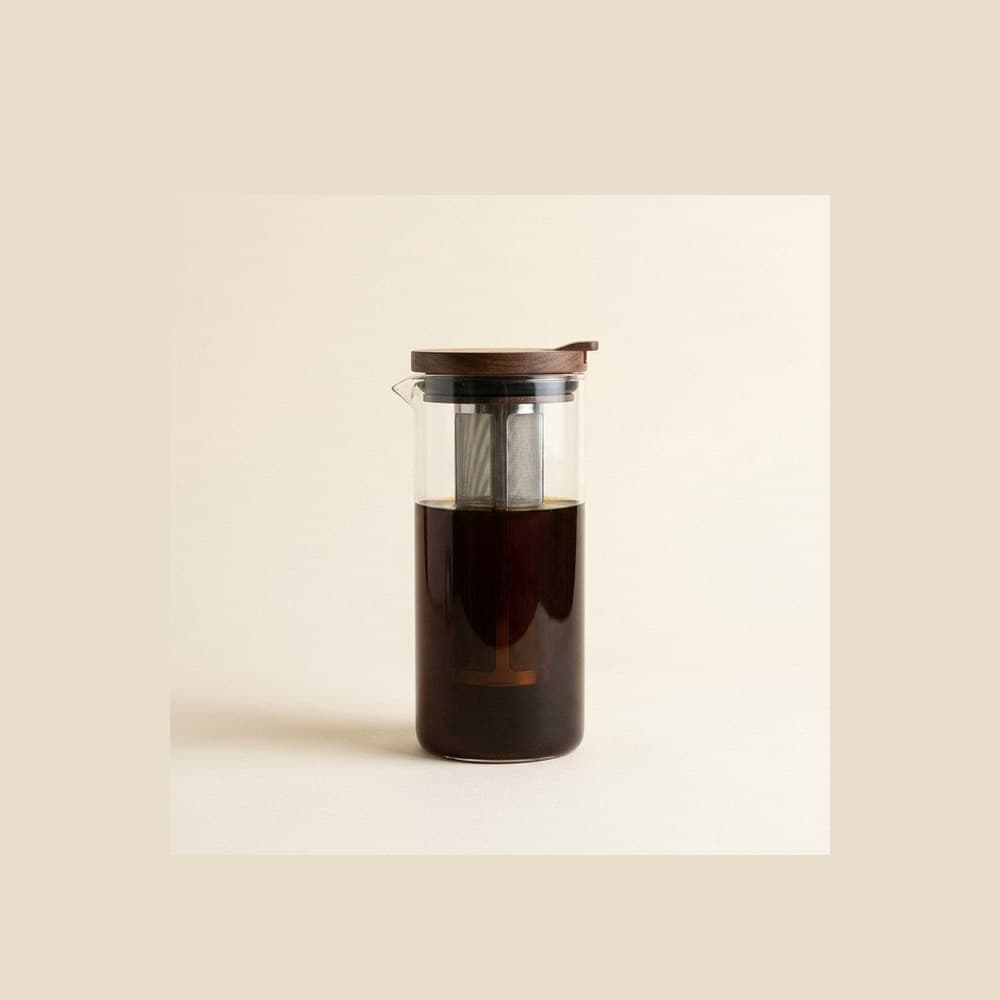
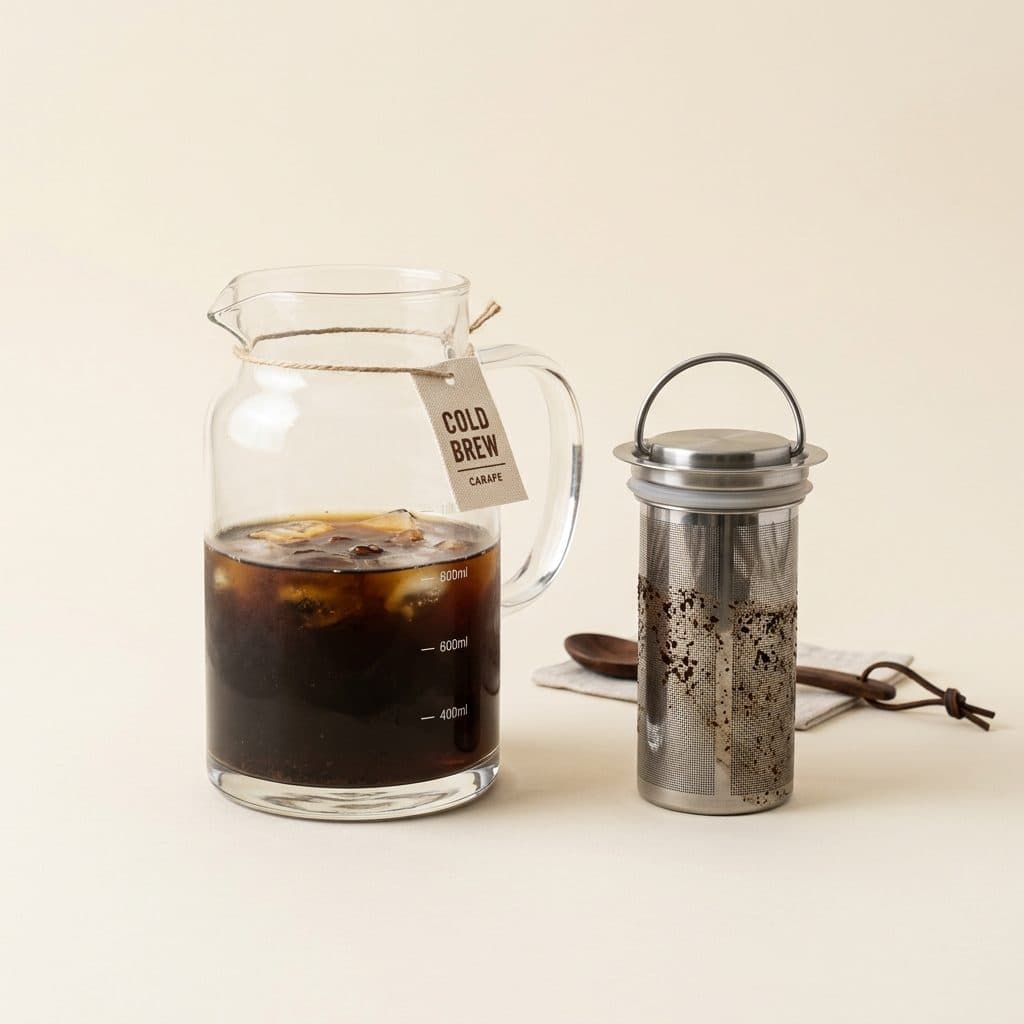
Cold brew is already cold, so there is no waiting, and it is smoother than a phin brew. Steep the stronger ratio, 125g of coffee to 1 litre of water (1:8), for 12 hours, then use about 60ml of concentrate to 120ml of tonic. The QiFi cold brew bottle has a stainless steel filter: lift it out after steeping and the concentrate lasts the week. How ratios work for each method is in coffee-to-water ratios.
Twists on coffee tonic
| Twist | How |
|---|---|
| Orange coffee tonic | Swap 50ml of tonic for 50ml of fresh orange juice: orange first, tonic next, coffee on top |
| Lime coffee tonic | Squeeze a few drops of lime into the tonic before the coffee; sharper and brighter |
| Honey tonic | Stir 1 spoon of honey with a little warm water and put it in the glass before the ice |
| Cold brew tonic | Use 60ml of cold brew concentrate instead of the phin brew, as above |
Common mistakes
| Problem | Fix |
|---|---|
| It foams over when the coffee goes in | Pour slower, over a spoon; let the brew cool fully first |
| No layers | The tonic was not cold enough or the coffee went in too fast; pour close to the surface |
| Flat, weak glass | Pour the tonic down the side, open the bottle just before, drink at once |
| Harsh and bitter | Cut the brew to about 30ml, or add tonic up to 200ml |
| Too sweet | Choose a low-sugar tonic, or balance with more ice and a slice of lime |
Which QiFi coffee for coffee tonic?
| QiFi line | Beans | Good for coffee tonic? |
|---|---|---|
| ĐÁNH THỨC | Robusta and Arabica | Best with a phin brew. Balanced and bold, lightly acidic from Cầu Đất Arabica, with caramel notes that sit well with the tonic's light bitterness |
| TỈNH | 100% Arabica | Good if you like a bright, fruity glass, the kind of coffee Koppi favours; best as cold brew |
| ĐẬM | 100% Robusta | Bitter and heavy, easily overpowers the tonic; better in drinks with milk |
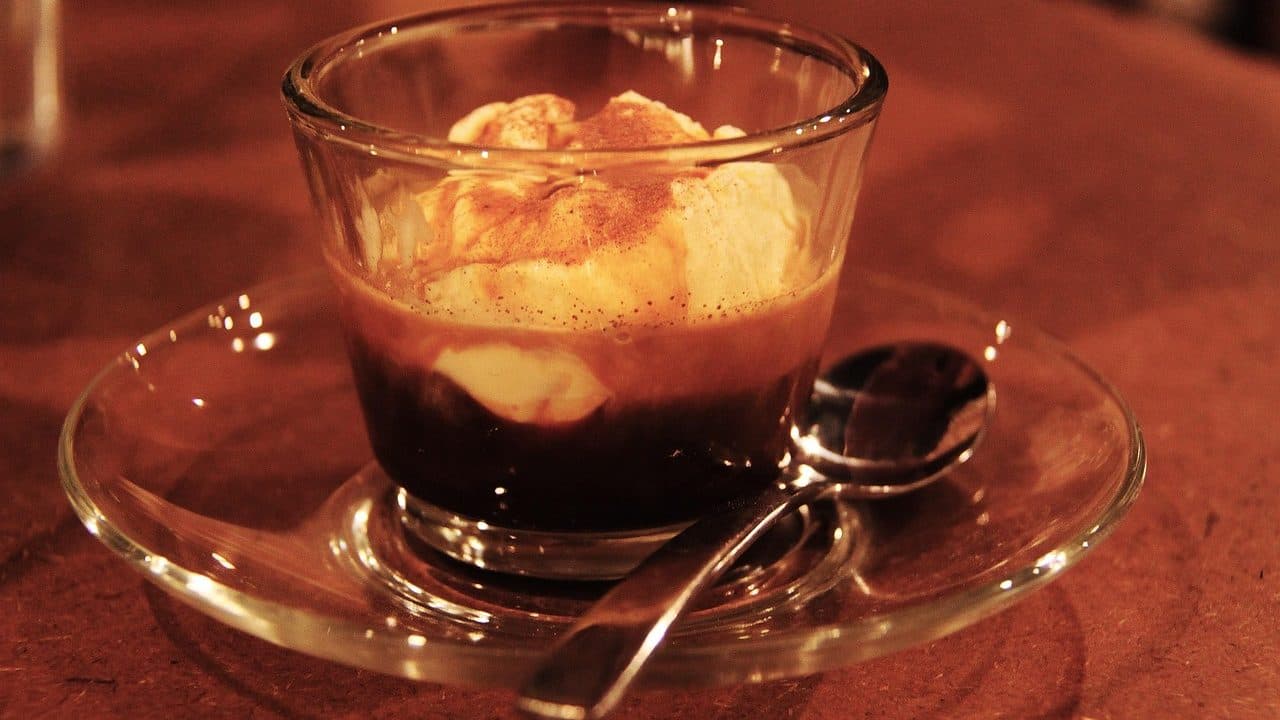
For more coffee drinks, see the series Vietnamese coffee drinks, which includes affogato with a phin.
Frequently asked questions
What does coffee tonic taste like?
Cool, gently fizzy, a little sour and a little bitter. The tonic brings light sweetness and quinine bitterness; the coffee brings deep bitterness and aroma. If you are used to iced milk coffee, the first glass will feel unusual, since there is no richness from milk.
Can I make it without an espresso machine?
Yes. A 20g phin gives 40–50ml of strong coffee, close in volume to the 30–40ml shot in Koppi's recipe, just without crema. Let it cool fully and pour slowly and the glass still layers. Strong cold brew is the second way, with no waiting.
Does coffee tonic have a lot of caffeine?
The caffeine comes from the coffee, so a coffee tonic has about as much as a phin brewed with the same amount of coffee; tonic usually has none. See how much caffeine is in a phin. If a doctor has told you to avoid quinine, ask before drinking tonic.