Home brewing
Types of Vietnamese coffee: from iced black and iced milk to egg coffee, sock coffee, salted cream and how to make each at home
The types of Vietnamese coffee: iced black, iced milk, bạc xỉu, egg, sock, salted cream, coconut, coffee yoghurt and cold brew, each with its own recipe.
QiFi··6 min read

Contents
Almost every café in Vietnam serves an iced black and an iced milk coffee. But getting the glass to taste right, bold without being harsh, smelling of roasted beans rather than butter or flavourings, with a sweet finish after the bitterness, is not easy. At QiFi, that taste comes from three things: beans from our family farm in Đắk Lắk, natural roasting (no butter, no flavourings, no fillers) and a recipe with the right ratios. If you choose just one bag for this whole series, start with the 500g GIAO HÒA phin grind: deeply bitter, creamy, good both black and with milk.
This article opens the series on the types of Vietnamese coffee. Each glass below has its own article with a recipe for 1 glass, fixes for common mistakes and the story of how it came about.
The types of Vietnamese coffee at a glance
| Coffee | Associated with | Main ingredients | Served | Recipe |
|---|---|---|---|---|
| Black coffee (hot, iced) | The whole country | Phin concentrate, with or without sugar | Hot, cold | Phin coffee brewed right |
| Iced milk coffee (cà phê sữa đá, nâu đá) | The whole country | Phin concentrate, condensed milk, ice | Cold | Iced milk coffee |
| Bạc xỉu | Saigon – Chợ Lớn | Lots of milk, a little coffee | Cold | Saigon bạc xỉu |
| Sock coffee (cà phê vợt) | Saigon | Coffee strained through a cloth bag in a kettle of boiling water | Hot, cold | Sock coffee |
| Egg coffee | Hanoi | Egg yolk whisked with condensed milk, over hot concentrate | Hot, cold | Egg coffee |
| Salt coffee | Huế | Cream whipped with salt, over the concentrate | Cold, hot | Salted cream coffee |
| Coconut coffee | Hanoi | Coconut cream, condensed milk, crushed ice, coffee concentrate | Cold | Coconut coffee |
| Coffee yoghurt | The whole country | Yoghurt, a little black coffee, ice | Cold | Coffee yoghurt |
| Avocado coffee | Indonesia, Singapore | Avocado blended with condensed milk and ice, coffee concentrate | Cold | Avocado coffee |
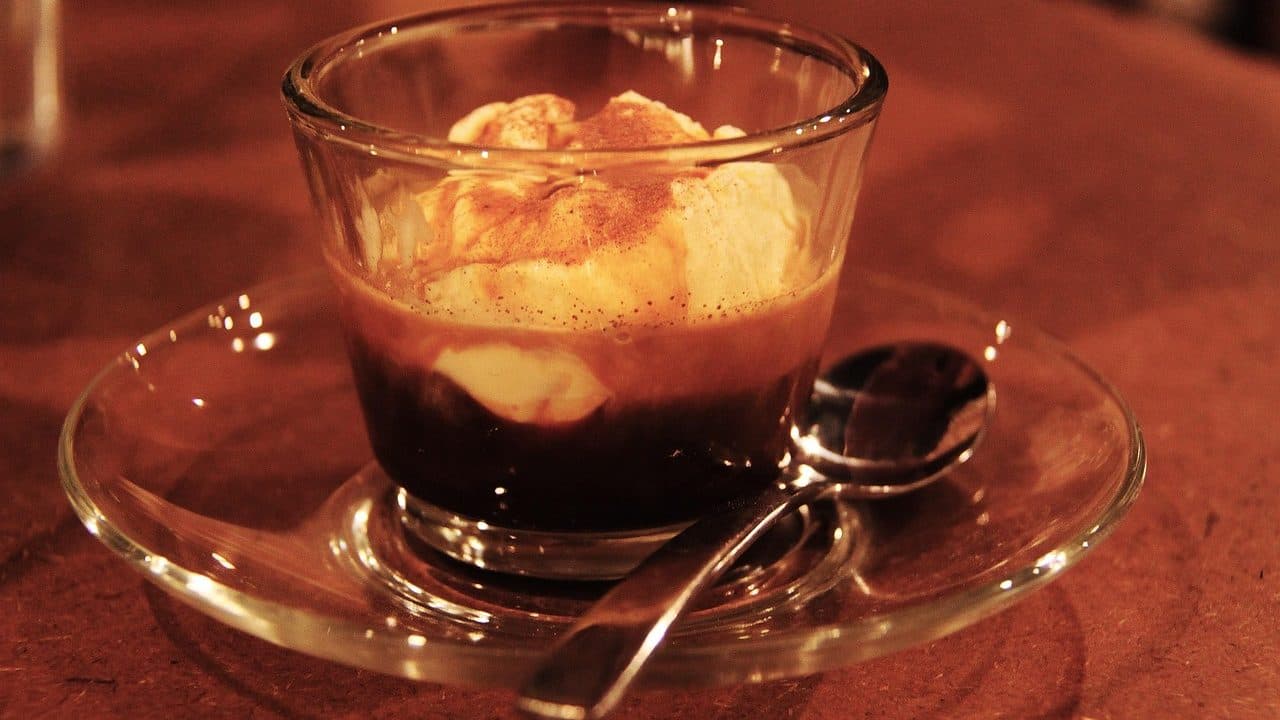
| Affogato | Italy, made with a phin | Vanilla ice cream, hot phin coffee poured over it | Eaten with a spoon | Phin affogato |
| Cold brew | A newer way to brew | Coarse grounds steeped in cold water for 12 hours or more | Cold | Cold brew at home |
The "Associated with" column gives where the drink is best known, according to the sources in each article; it does not mean other places do not have it.
Black coffee and milk coffee: the two base glasses
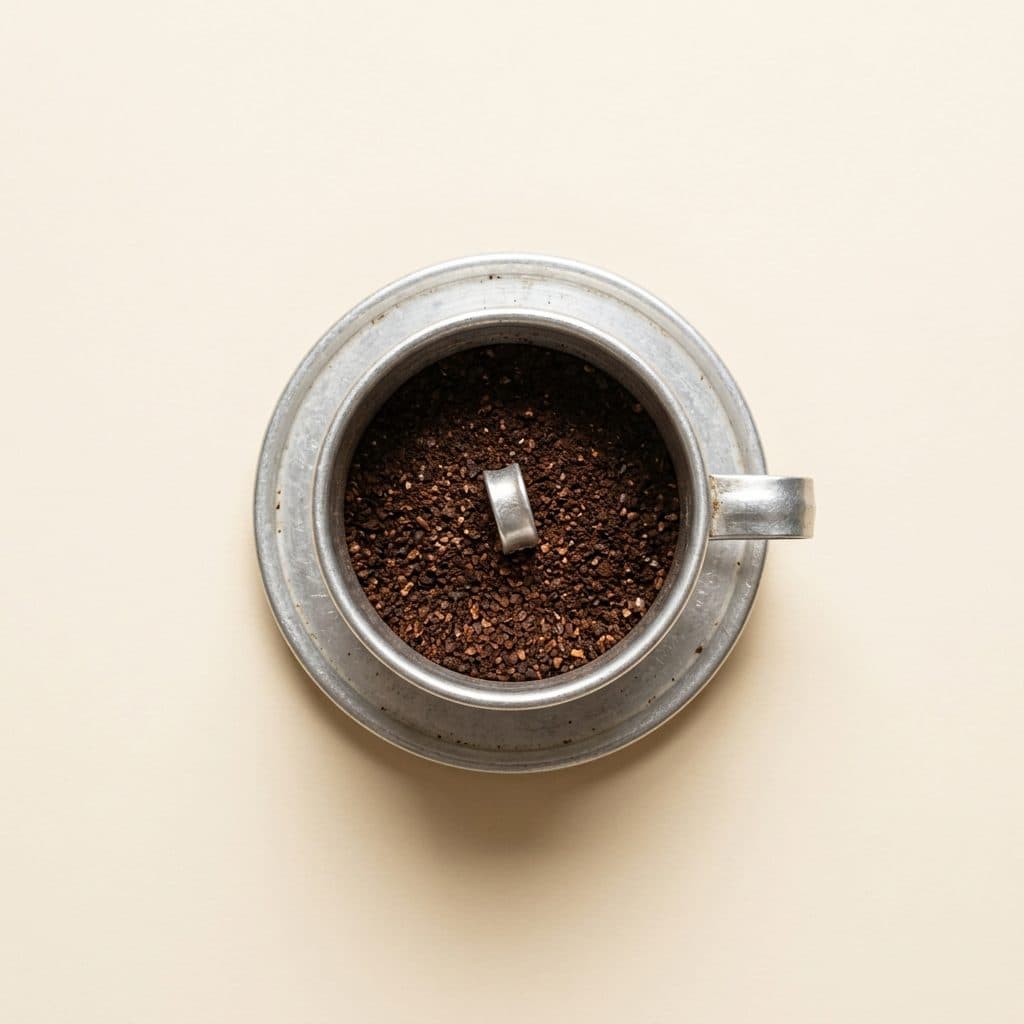
Almost every glass in the table starts from one phin of coffee: 20g of phin-ground coffee, 80ml of water at 92–96°C, a 2-minute bloom with 20ml of water, a 4–5 minute drip, giving about 40–50ml of concentrate. Drink it straight away for hot black coffee; pour it over ice for iced black; add condensed milk for milk coffee, which the North calls nâu. A 500g bag makes about 25 glasses like this.
The step-by-step details, and what to do when the phin drips too fast or clogs, are in how to brew phin coffee properly. The milk ratio for an iced milk coffee that is not watery is in iced milk coffee. Bạc xỉu goes the other way: lots of milk, a little coffee, and the name is usually said to come from the Cantonese of the Chinese community in Chợ Lớn (Saigon bạc xỉu).
The glasses with a story of their own
Sock coffee is an old Saigon way of brewing: the grounds go into a cloth bag on a handle (the "sock"), dipped into a kettle of boiling water. The Cheo Leo café in an alley off Nguyễn Thiện Thuật, District 3, has sold it since 1938, according to Saigoneer. See Saigon sock coffee.
Egg coffee was born in Hanoi in 1946: according to Vietcetera, Nguyễn Văn Giảng, then a bartender at the Metropole hotel, created it because milk was scarce, using whisked egg yolk in place of milk. See how to make egg coffee.
Salt coffee came from Huế around 2010, from a café at 10 Nguyễn Lương Bằng, according to VnEconomy: a layer of slightly salty cream rounds off the coffee's bitterness. See salted cream coffee.
Coconut coffee is a Hanoi drink that spread widely thanks to the Cộng Cà Phê chain. See how to make coconut coffee.
Coffee yoghurt is a glass of yoghurt with a little black coffee, stirred and drunk. See coffee yoghurt.
Avocado coffee is not originally Vietnamese: es alpukat kopi is famous in Indonesia, and reached Singapore through cafés specialising in avocado drinks. At home, all you need is an avocado smoothie and a strong phin of coffee. See how to make avocado coffee.
Cold brew is not a traditional drink: grounds steeped in cold water for many hours give a coffee many people find gentler than a hot brew. Rao and Fuller (2018) measured nearly the same pH for both (about 4.85–5.13), but the hot brew extracted more total acid. See how to make cold brew at home.
Choosing a QiFi coffee for each glass
| QiFi blend | Ingredients | Best with |
|---|---|---|
| ĐẬM | 100% Đắk Lắk Robusta | Iced black, sock coffee, avocado coffee, iced egg coffee |
| NGUYÊN BẢN | Robusta and Arabica | Hot black, egg coffee |
| GIAO HÒA | Robusta, Culi and Arabica | Iced milk, bạc xỉu, coconut coffee |
| ĐỘC TÔN | Robusta, Culi and Arabica | Salted cream coffee, iced milk |
| ĐÁNH THỨC | Robusta and Arabica | Coffee yoghurt, iced black with caramel notes |
| TỈNH | 100% Cầu Đất Arabica | Cold brew, pour over |
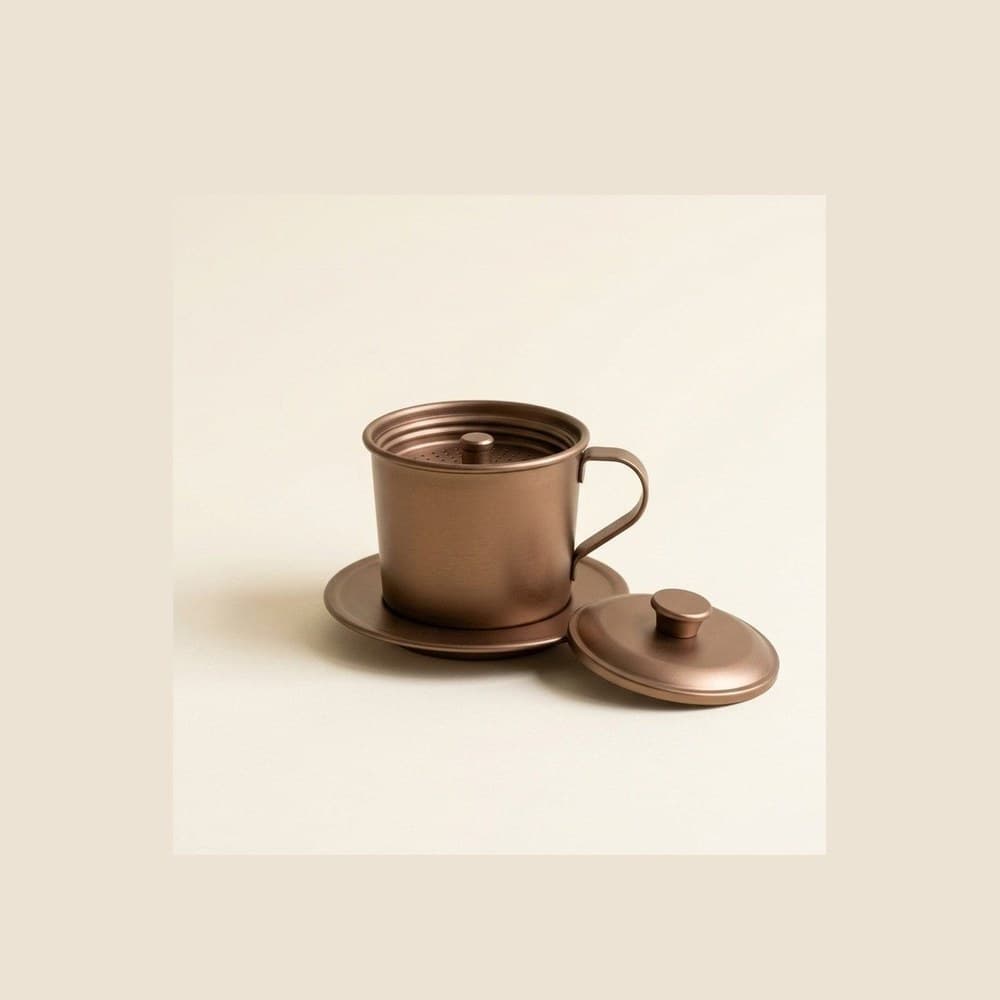
The general rule: the more milk, cream or ice in the glass, the bolder the concentrate needs to be, so the Robusta-heavy blends come first. Only for a glass drunk black, cold, with a bright acidity wanted, does Arabica take its turn. All of them come as phin grind, machine grind, coarse grind, medium grind and whole beans; for brewing by phin there is the QiFi aluminium phin.
Frequently asked questions
What is the difference between cà phê nâu and cà phê sữa?
They are the same. Nâu is the northern name for coffee made with condensed milk; nâu đá is the South's cà phê sữa đá, iced milk coffee. The recipe is in iced milk coffee.
Which Vietnamese coffee is the least bitter?
Bạc xỉu, because most of the glass is milk. If you want to drink it black but less bitter, try cold brew, or brew TỈNH, 100% Arabica, with a bright acidity in place of bitterness.
Do I need a machine to make these coffees?
No. Every recipe in the series needs only a phin (sock coffee uses a cloth bag, and cold brew a steeping jar). A hand mixer makes egg cream and salted cream faster, but whisking by hand works too.