Home brewing
How to make Vietnamese salt coffee at home: the recipe, its story and why salt makes coffee taste better
How to make Hue-style salt coffee at home: the salted cream recipe, where the drink came from, and the science of why a pinch of salt improves the cup.
QiFi··9 min read
Contents
A pinch of salt in coffee sounds like a mistake. Yet this is the drink that travelled from a small café in Hue to the streets of Saigon and Hanoi, and on to the TikTok feeds of visitors from abroad. The first sip goes through a salty, creamy layer and then reaches the strong bitterness of phin coffee: people do not taste "salty", only a rounder, sweeter cup.
This article has three parts: the recipe for salt coffee at home, the story of how the drink began, and the science of why salt makes coffee taste better.
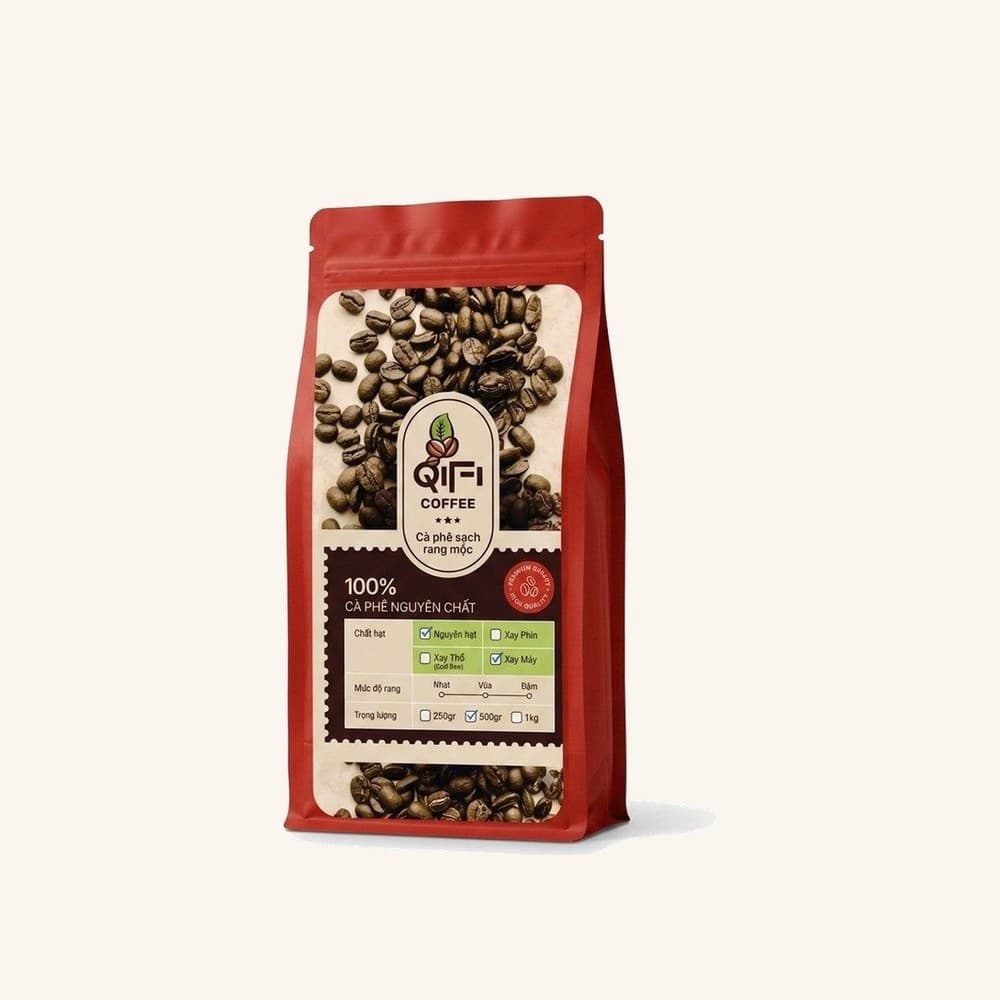
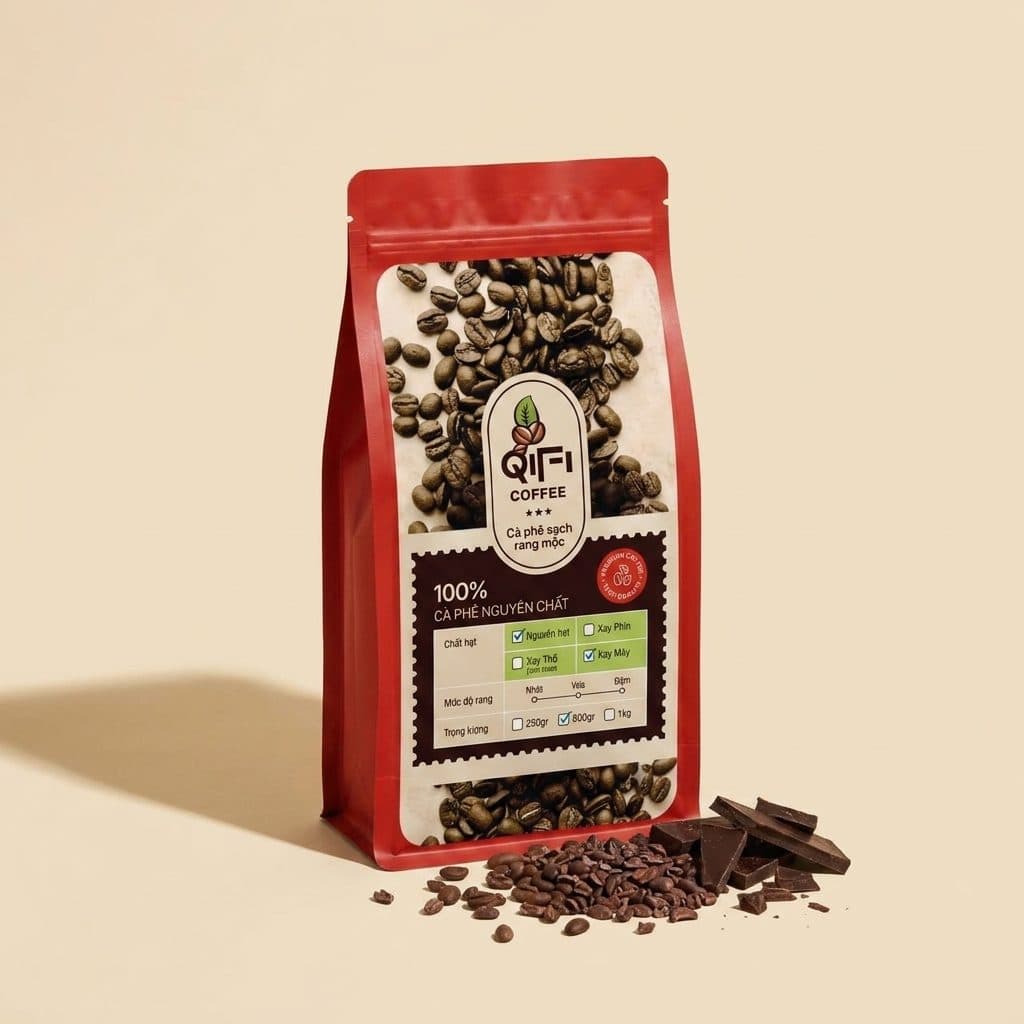
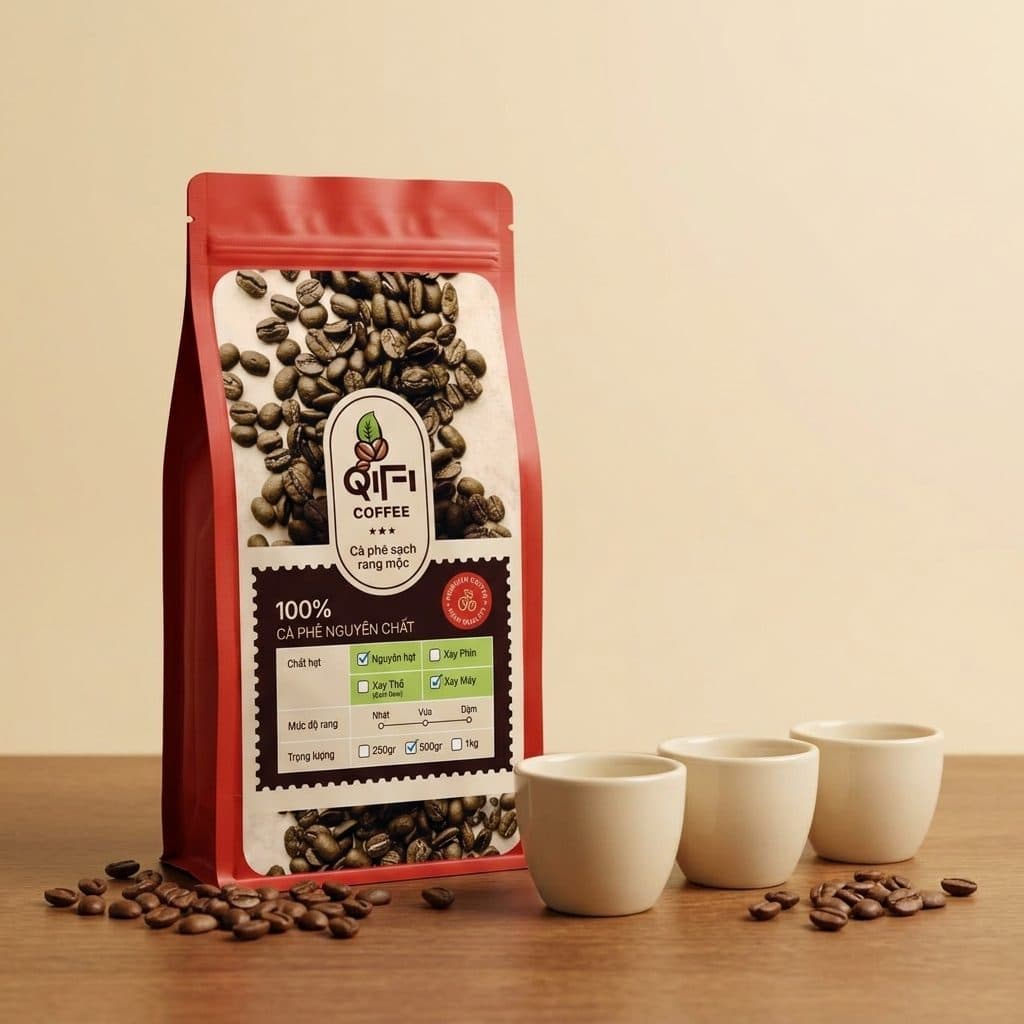
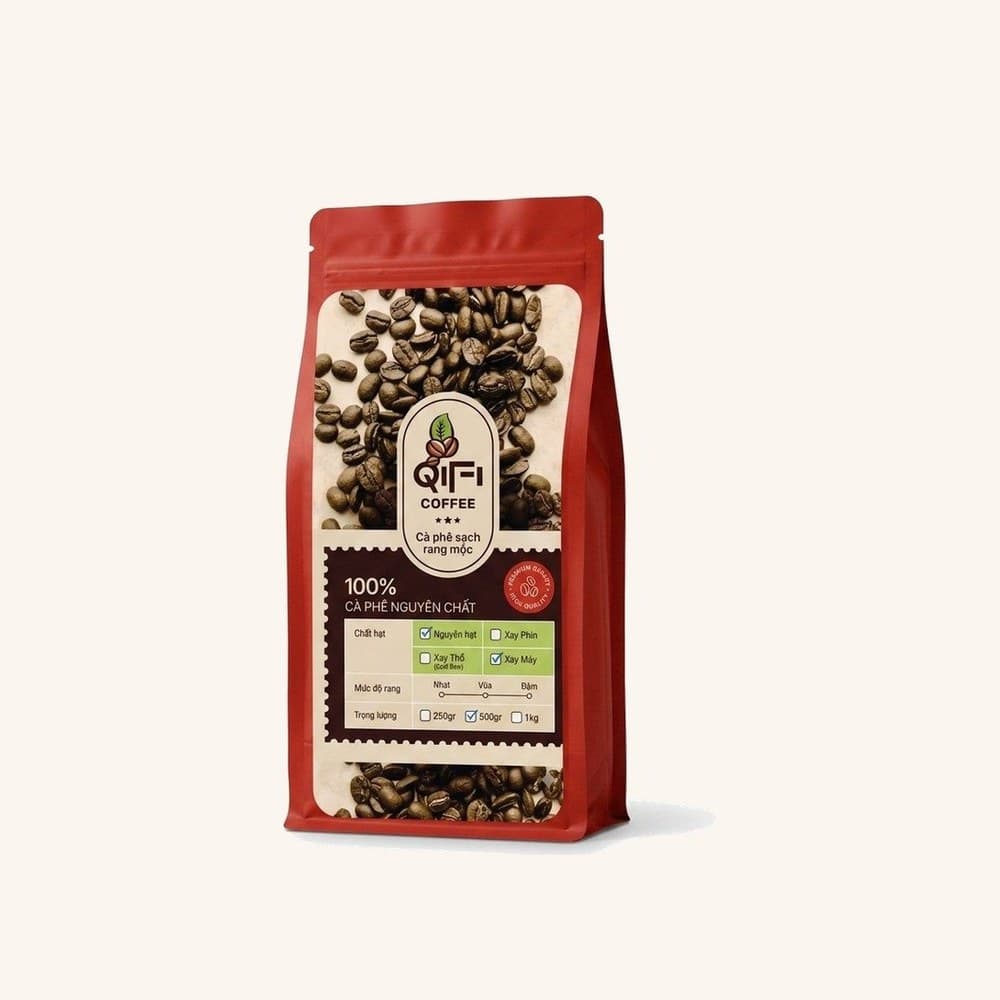
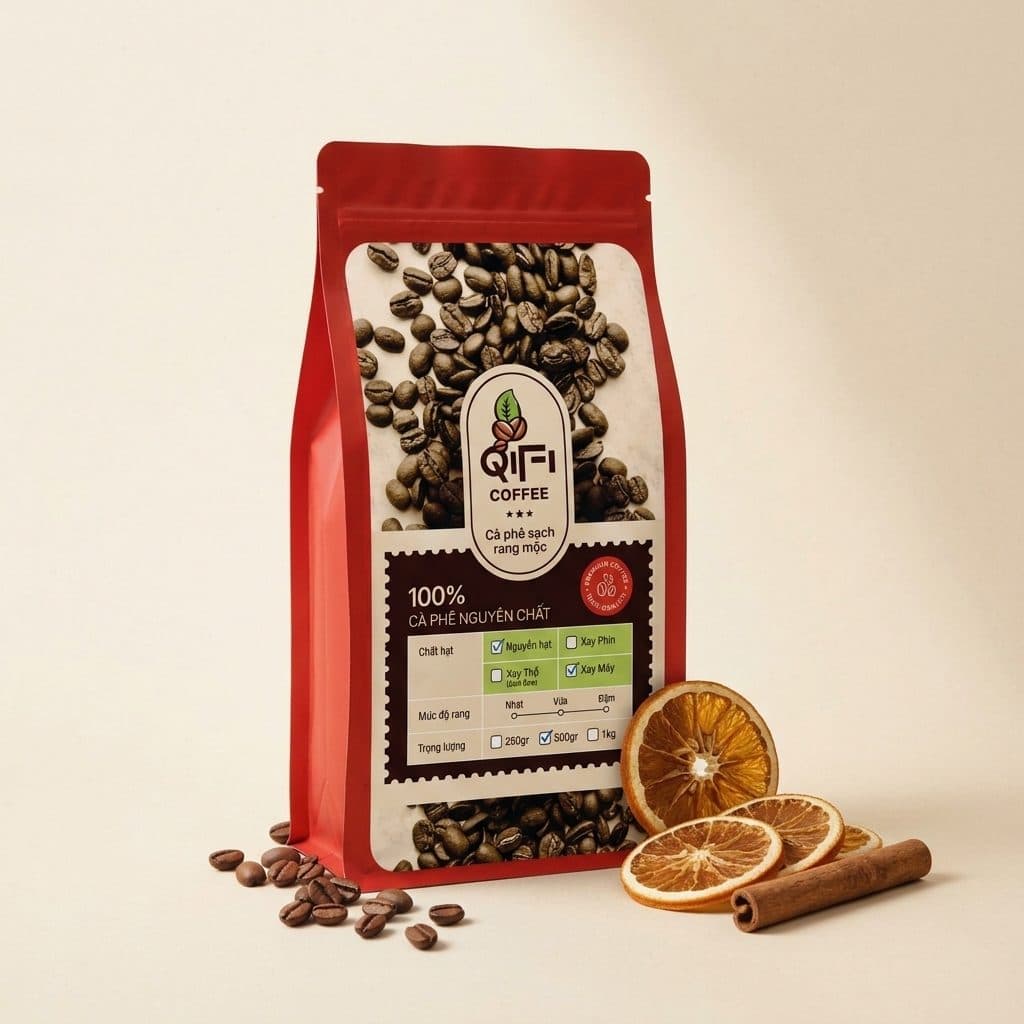
The coffee in this recipe: QiFi's ĐỘC TÔN, ground for the phin (Robusta, Culi and Arabica). Its brew is strong, rich and made for milk, so the coffee still comes through under the salted cream. The reasons, and the alternatives, are in the section on choosing a coffee at the end.
How to make salt coffee at home
Ingredients for 1 glass (about 300ml)
| Part | Ingredient | Amount |
|---|---|---|
| Coffee | ĐỘC TÔN ground for the phin | 20g |
| Hot water at 92–96°C | 80ml | |
| Condensed milk | 15–20ml | |
| Salted cream | Whipping cream | 50ml |
| Unsweetened fresh milk | 20ml | |
| Condensed milk | 10ml | |
| Salt (finely crushed coarse salt or sea salt) | 1 pinch, about 0.5g (1/8 teaspoon) | |
| Glass | Ice cubes | A full glass |
| Topping | Pure unsweetened cocoa powder | 1 small pinch |
A 500g bag of ĐỘC TÔN ground for the phin makes about 25 glasses like this, used up in 3–4 weeks while the coffee is still fragrant. The 1kg bag suits a café or a household that drinks more.
20g of coffee to 80ml of water is the standard phin ratio, about 1:4. To see why this ratio gives a strong brew that is not harsh, read the ratios for brewing coffee by hand.
Step 1: Brew the phin coffee
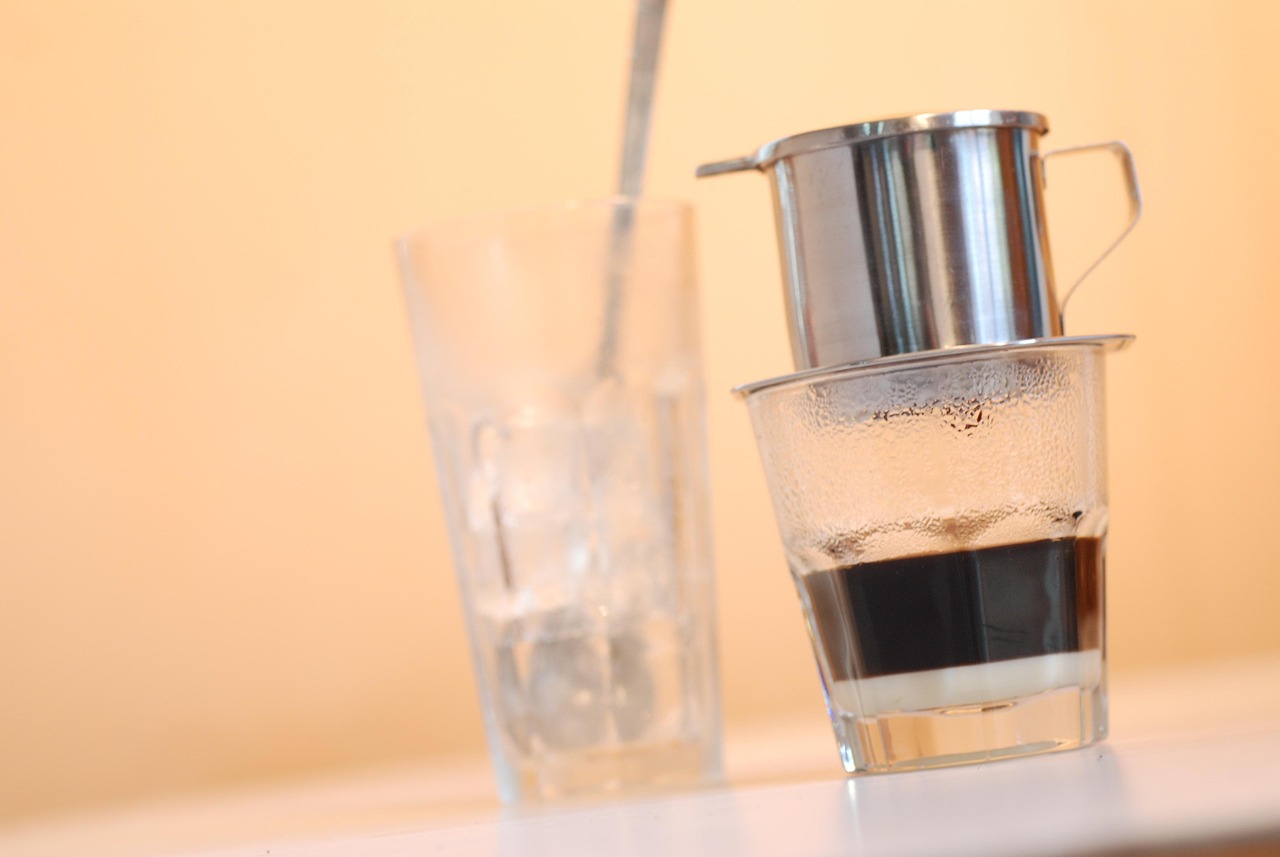
- Rinse the phin with boiling water, add 20g of ĐỘC TÔN and shake it gently to level the grounds.
- Pour in about 20ml of water and let it bloom for 2 minutes so the grounds swell evenly.
- Pour in the rest of the water, put the lid on and wait about 4–5 minutes for the coffee to drip through.
The brew must be strong. Cream, milk and ice all dilute the flavour, so a weak brew leaves a final glass that tastes only of cream.
Step 2: Whip the salted cream
- Put the whipping cream, fresh milk, condensed milk and salt in a bowl. The cream should be cold, straight from the fridge.
- Whisk by hand or with a mixer on low speed for about 1–2 minutes.
- Stop when the cream is as thick as drinking yoghurt: lift the whisk and the cream falls in a slow ribbon before it sinks back into the bowl.
Do not whip it to stiff peaks. Cream that is too thick sits on the glass like a lump and never flows down into the coffee.
Step 3: Finish the glass
- Stir the coffee with 15–20ml of condensed milk until it dissolves.
- Fill the glass with ice and pour in the coffee.
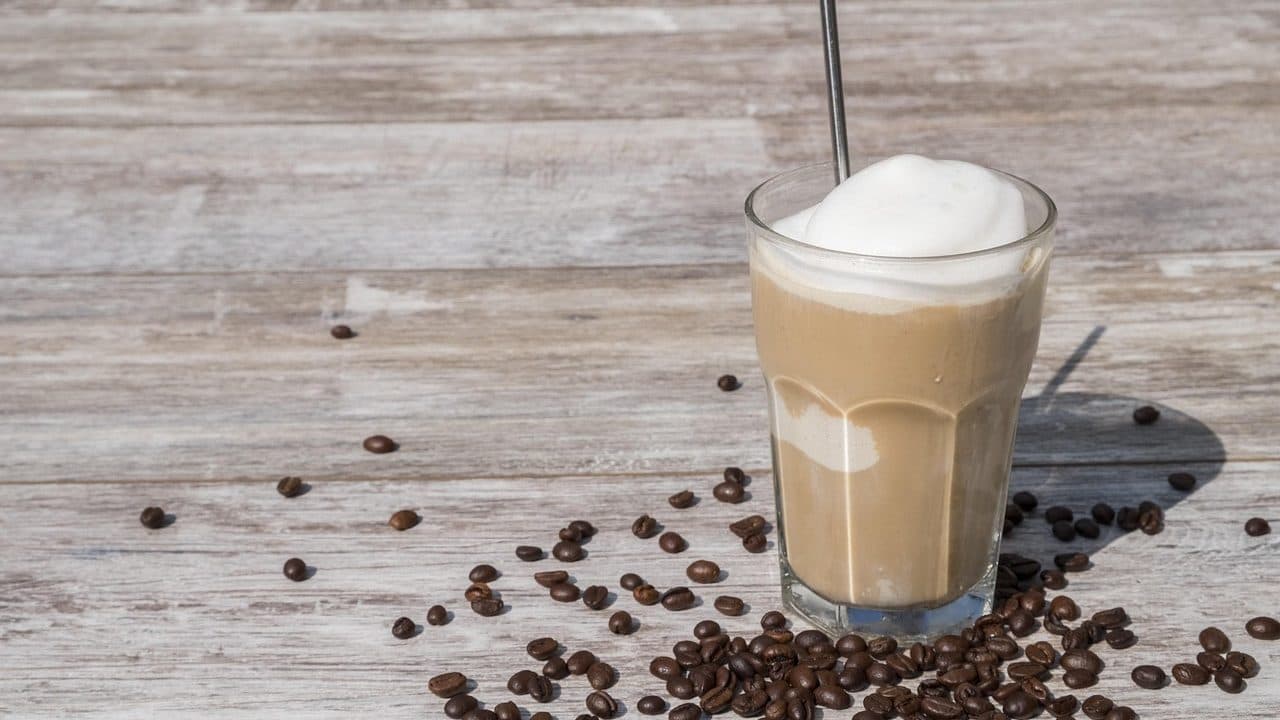
- Pour the salted cream very slowly over the back of a spoon so it floats as a thick layer on top.
- Dust a thin layer of cocoa through a small sieve over the cream. The fragrant bitterness of the cocoa brings out the salty richness of the cream, and the glass smells lightly of chocolate as you lift it.
How to drink it: do not stir it straight away. Take the first sips through the cream so the salty richness comes first and the bitterness after. Stir only when you are halfway down, and the glass becomes a rich, lightly salted milk coffee.
The hot version
Leave out the ice, reduce the condensed milk in the coffee to 10ml and pour the salted cream over a hot cup. Stand the cup in a bowl of hot water to keep it warm, because the cold cream cools the coffee very quickly.
Common mistakes
| Mistake | Cause | Fix |
|---|---|---|
| It tastes salty | Too much salt | Keep to 1 pinch, about 0.5g per glass. The salt is there to soften the bitterness, not to be tasted |
| The cream sinks straight to the bottom | Cream not thick enough, or poured too fast | Whisk for another 20–30 seconds and pour over the back of a spoon |
| The cream sits in a lump and will not mix | Whipped to stiff peaks | Add 1 spoonful of fresh milk and stir gently to loosen it |
| The whole glass is bland, all cream | The coffee was weak | Keep to 20g per 80ml and choose a strong coffee |
If your phin coffee often comes out sour or drips too fast, the common mistakes when brewing coffee by hand will help you find the cause.
Where did salt coffee come from?
According to VnEconomy, salt coffee began in Hue in 2010, at the café at 10 Nguyen Luong Bang street: the two owners told CNN Travel they came up with the drink when they opened that year. It soon became a speciality that visitors to Hue went looking for, and cafés across the country put it on their menus.
After COVID-19, takeaway and bottled salt coffee became common; in 2024 Starbucks Vietnam launched its own version, and some Vietnamese cafés in the US and London sell it (the same VnEconomy article). For travellers, "salt coffee" now sits beside egg coffee and iced milk coffee on the list of cups to try in Vietnam.
Vietnam is not the only place that puts salt in coffee. In Taiwan, the 85˚C Bakery Cafe chain has sold "salt coffee" since December 2008, and at one shop it outsold the Americano, according to the Taipei Times. In Turkey, people often tell of a custom in which the bride-to-be makes the groom a cup of salted coffee when the families meet, to see whether he can take it. What sets Vietnamese salt coffee apart is the coffee underneath: a dense, strongly bitter Robusta phin brew, which gives the salt far more to do.
Why does salt make coffee taste better?

Salt masks bitterness
In 1997, two scientists, Breslin and Beauchamp, published a study in Nature with a very plain title: salt enhances flavour by suppressing bitterness. The sodium ions in salt make the tongue less sensitive to bitterness. When the bitterness steps back, the other tastes it was covering, such as sweetness, richness and aroma, come through more clearly.
The key point is that the amount of salt must stay below the level at which you taste salt. A pinch of about 0.5g across the whole glass is right: enough to soften the bitterness, not enough to taste salty. It is the same reason bakers add a little salt to chocolate and caramel.
Robusta is more bitter, so salt works better on it
Coffee's bitterness comes from caffeine and from compounds formed when the beans are roasted. According to a 2021 review in the journal Foods, green Robusta beans contain about 1.6–2.4% caffeine, nearly twice as much as Arabica (about 0.9–1.2%). That makes a strong Vietnamese Robusta phin brew the ideal base for salt: the more bitterness there is, the more the salt has to soften.
The fat in the cream holds the aroma and softens the taste
Many of coffee's aroma compounds dissolve in fat. The cream holds on to them and coats the tongue, so the bitterness arrives later and softer. Salt, fat and the sweetness of condensed milk are a familiar trio in cooking: as in salted caramel, each makes the others stand out.
Cold cream gives the glass layers of taste
The cream floats on top, so the first sip is always salty and rich, and the coffee comes after. The taste changes from one sip to the next within the same glass, so it rarely feels too heavy.
Which QiFi coffee makes the best salt coffee?
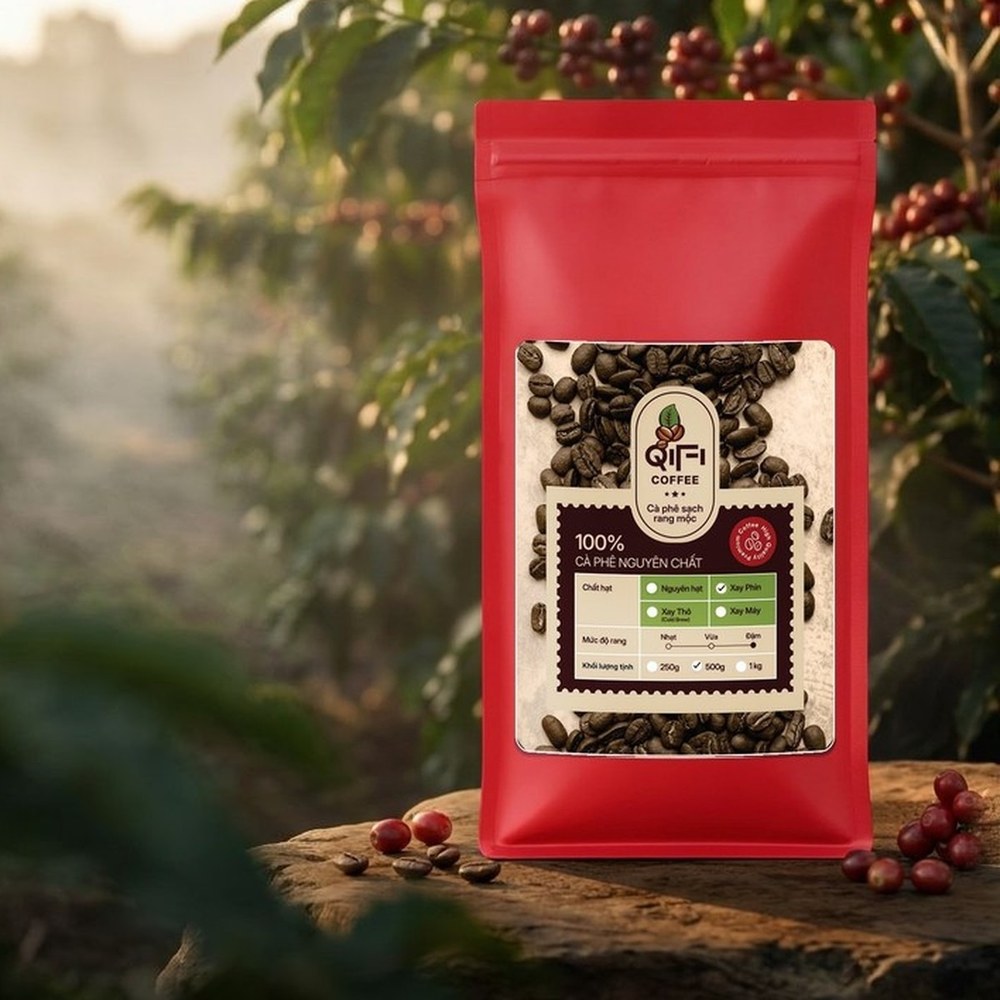
Salt coffee needs a base that is strong, rich and aromatic: strong enough not to be drowned by the cream, rich enough to blend with it, and fragrant enough that the aroma remains once the salt has softened the bitterness.
| QiFi coffee | Blend | Good for salt coffee? |
|---|---|---|
| ĐỘC TÔN | Robusta, Culi and Arabica | The best. Fragrant, smoothly bitter, rich, made for milk |
| GIAO HÒA | Robusta, Culi and Arabica | Very good. Deeper bitterness and a thick body, for those who like a strong coffee taste |
| NGUYÊN BẢN | Robusta and Arabica | Good for a taste for strong bitterness; needs a little more cream |
| TỈNH | 100% Arabica | Not recommended. Its bright acidity and light body are hidden by the cream |
Why ĐỘC TÔN comes first: the Culi gives the brew richness and body, so it blends with the salted cream instead of separating. The Arabica keeps a layer of aroma after the salt has softened the bitterness. And the Dak Lak Robusta is the strong, bitter backbone the salt needs to work on. The beans are naturally roasted, with no butter and no flavourings, so the richness and caramel notes in the glass come from the coffee and the cream themselves, not from added aromas.
Want to make it ahead for the week? Steep a cold brew with GIAO HÒA or ĐỘC TÔN (choose the coarse grind for cold brew) at 100g of coffee to 1 litre of water for 12 hours, and keep it in the fridge. Each morning, pour the coffee over ice and whip a batch of salted cream: done in 3 minutes.
Frequently asked questions
Does salt coffee taste salty?
Not if it is made right. A glass needs only about 0.5g of salt, below the level at which you taste salt. The salt is there to soften the bitterness and bring out the richness and sweetness. If it tastes salty, you have added too much.
Can I make salt coffee without whipping cream?
Yes, but the cream layer will be thinner. You can froth whole milk with a milk frother and add condensed milk and salt. The foam is lighter and fades faster than whipped cream, so drink it straight away.
Can I use machine coffee instead of phin coffee?
Yes. A double espresso (about 40–60ml) in place of the phin brew still makes a good salt coffee. Grind the coffee to suit the equipment you use; see the tools for brewing coffee by hand.